
Embarking on home solar energy production is an idea that’s gaining traction. The beem solar panel, with its simplified approach, is attracting more and more people. But before you dive in headfirst, it’s good to know what to expect. Let’s take a look together at what you need to know to make your project a success.
Key Points to Remember
- The beem solar panel stands out for its design and ease of installation, making it accessible even without technical knowledge.
- Production optimisation depends heavily on solar exposure and panel inclination.
- Although simple, self-installing a beem solar panel does not offer a ten-year warranty and limits the resale of surplus electricity.
- It is important to accurately assess your energy needs to choose the right beem kit power and cover your base consumption.
- Modularity allows for coupling multiple beem kits to increase power and adapt the installation to your evolving needs.
Understanding the beem solar panel concept
An innovative approach to solar energy
The beem Energy system offers a different way of thinking about solar energy. It is a solution designed to be accessible and easy to install, even without prior technical knowledge. The idea is to enable everyone to produce their own electricity, thus contributing to energy independence. This approach aims to democratise access to renewable energy, making it more tangible for everyday life. The main goal is to reduce your electricity bill by directly consuming the energy you produce. It’s a way to actively participate in the energy transition, on your own scale. The system is designed for immediate self-consumption, meaning the electricity produced is consumed on-site.
The distinctive design of beem panels
What immediately sets beem panels apart is their aesthetic. Unlike traditional solar panels, often perceived as bulky and discreet, beem offers panels with a refined design. Some models even feature a shape reminiscent of flower petals, allowing the kit to blend better with its surroundings, whether on a balcony, terrace, or facade. This design choice does not compromise the performance of the panels. They are designed to be both efficient and pleasing to look at, breaking away from the sometimes austere image of classic photovoltaic installations. This attention to appearance makes the product more attractive to those who are sensitive to the aesthetics of their home.
A human-scale solution for self-consumption
The beem kit is characterised by its compact size. Each panel measures approximately 70×70 cm and weighs only 5 kg, making them easy to handle and install. This human-scale design is one of the keys to the system’s ease of implementation. It’s not about large, complex installations, but a modular and lightweight solution. This allows for great flexibility in placement and makes the system particularly suitable for apartments or houses where space is limited. The aim is to make solar energy production accessible to as many people as possible by offering a product that is easy to understand and install yourself, thus promoting self-consumption.
beem Energy’s approach is based on simplicity, accessibility, and a refined design, making solar energy production more tangible for individuals wishing to reduce their environmental impact and energy expenses.
Simplified installation of the beem solar kit
One of the major advantages of the beem solar kit lies in its design, which is intended for easy implementation, even for those with no prior DIY or electrical experience. The goal is to make solar energy production accessible to everyone.
Quick installation without technical expertise
The installation process is designed to be intuitive. In less than an hour, your kit can be operational, without the need for a professional. This simplicity allows for complete autonomy during installation, reducing the usual costs and delays associated with photovoltaic installations.
Tools needed for successful installation
The required equipment is minimal. Depending on the chosen option (ground or wall mounting), you may need a drill and a spirit level. For ground mounting, no specific tools are generally required. The kit comes with all connection elements, making the assembly process smooth.
Easy positioning thanks to provided templates
To ensure optimal spacing between panels and facilitate the marking of fixing points, beem provides paper templates. These patterns allow you to simulate the exact positioning of the panels, thus ensuring an aesthetic and functional installation. This approach eliminates the need for complex measurements and reduces the risk of errors. You can therefore confidently embark on the plug and play solar kits adventure.
Optimising energy production with the beem solar panel
To get the most out of your beem solar installation, several factors must be taken into account to maximise energy production. It’s not enough to simply install the panels; careful consideration of their environment and orientation is essential.
The crucial importance of solar exposure
Sunlight is, unsurprisingly, the main driver of photovoltaic production. Direct and prolonged exposure to sunlight is therefore a prerequisite. It is advisable to avoid shaded areas caused by trees, neighbouring buildings, or other obstacles that could reduce the efficiency of your panels as much as possible. Analysing the sunlight on a typical day, or even over a year, can give you a precise idea of your location’s production potential. Good solar exposure is the key to optimal energy production.
Adjusting the tilt for maximum efficiency
The tilt angle of your solar panels directly influences the amount of sunlight they receive. Ideally, the tilt should be adjusted to capture the maximum amount of sunlight throughout the year. In many regions, a tilt of around 30 to 35 degrees is often recommended for a good balance between summer and winter production. However, the beem kit, thanks to its design, offers some flexibility. It is possible to adjust this tilt to prioritise production during seasons when your consumption is highest, for example.
Testing different locations for optimal yield
The lightness and ease of implementation of the beem kit are major assets for optimisation. Unlike fixed and heavy installations, you have the option to test different locations before permanently fixing your panels. This can be done by simulating the installation with the provided templates. Observing the energy production in different locations will allow you to identify the one that offers the best yield. This process, although requiring some time, is a key step to ensure you are getting the most out of your solar energy investment.
Solar self-consumption is the idea of directly consuming the electricity you produce. This reduces your dependence on the electrical grid and saves you money on your bills. The beem kit fits perfectly into this approach, making energy production accessible to everyone.
Here are some points to consider for installation:
- Orientation: Prefer a South orientation if possible, but East or West can also be viable depending on your consumption profile.
- Stability: Ensure the installation surface is stable and level, especially for ground-mounted kits.
- Maintenance: Plan for easy access for cleaning the panels, which may be necessary to maintain optimal production.
Technical aspects of beem installation
Pre-installation of the inverter
Before thinking about fixing the solar panels, a crucial technical step is to install the micro-inverter. This small box is the brain of your installation; it converts the direct current produced by the panels into alternating current usable by your home. Its fixing is designed to be as simple as possible, often using a mounting plate and a few screws, generally requiring no specific tools. It is important to place it in an accessible location protected from the weather.
Easy connection of solar panels
Once the inverter is installed, the assembly of the solar panels themselves follows. The beem system is designed for intuitive assembly. The panels often connect using a clip system or self-locking hinges. Simply position them correctly and secure them. Templates are sometimes provided to ensure adequate spacing between each panel, which is important for optimising solar light capture. Handling the panels is made easier by their reduced size and weight, making the operation less intimidating than for traditional solar panels.
Final connection to your home network
The final step is to connect everything to your electrical network. The beem kit generally includes a mains cable and, for multiple panels, interconnection cables. The connection is often made via a standard electrical socket, provided it is protected by an appropriate circuit breaker. The Beembox, a centralising unit, plays a key role here. It not only groups the connections but also allows for real-time production monitoring via a mobile app, provided your installation has good Wi-Fi coverage. It is advisable to check the compatibility of your electrical installation and consult the manuals to avoid any problems, even though the goal is maximum simplicity. For more general information on photovoltaic installations and precautions to take, you can consult resources on solar panel scams.
It is essential to scrupulously follow the manufacturer’s instructions for each step. Although the system is designed to be simple, improper handling can affect the performance or safety of the installation. A final check of all connections before powering up is always good practice.
Advantages of independence with the beem solar panel
Choosing the beem solar panel means choosing a path towards greater energy independence. This approach allows you to produce your own electricity, a significant personal satisfaction. The accessible acquisition cost makes this technology affordable for many households, marking a concrete first step towards self-consumption.
Accessible acquisition cost
One of the major advantages of the beem solar kit is its price. Unlike traditional photovoltaic installations, which represent a significant investment, the beem kit is positioned as an economical solution. It is possible to find self-consumption solar kits starting from €300, making solar energy production more affordable. This financial accessibility allows more people to engage in the energy transition without straining their budget. It’s an opportunity to start producing your own energy at a reasonable cost.
The satisfaction of producing your own energy
There is a certain pride in being able to say « I produce my own electricity. » Monitoring the production curve of your beem kit in real-time via the dedicated app provides a sense of accomplishment. This energy independence, even if partial, helps reduce your reliance on traditional energy suppliers and gives you better control over your consumption. It’s a rewarding approach that combines savings and ecological commitment.
Simplicity and speed of commissioning
The design of the beem kit emphasises ease of installation. Pre-wired and pre-assembled, it requires no specific technical skills or complex tools. The goal is to enable everyone to become an energy producer in record time. In less than an hour, your installation can be operational, allowing you to start producing your electricity quickly. This rapid implementation is a significant advantage for those who want a hassle-free photovoltaic solution.
The energy independence offered by the beem solar panel is not limited to a simple bill reduction. It is a genuine step towards more responsible consumption and increased independence from energy market fluctuations. The initial investment is designed to be reasonable, opening the door to clean energy production for all.
Here’s an overview of the benefits:
- Controlled cost: The acquisition of the kit represents a moderate initial investment compared to traditional solar systems. Self-consumption solar kits are available at competitive prices.
- Increased independence: Produce your own electricity and reduce your reliance on conventional grids.
- Easy installation: The plug-and-play design greatly simplifies the installation process, making it accessible to non-experts.
- Personal satisfaction: Actively contribute to the energy transition while making savings.
Limitations and considerations for self-installation
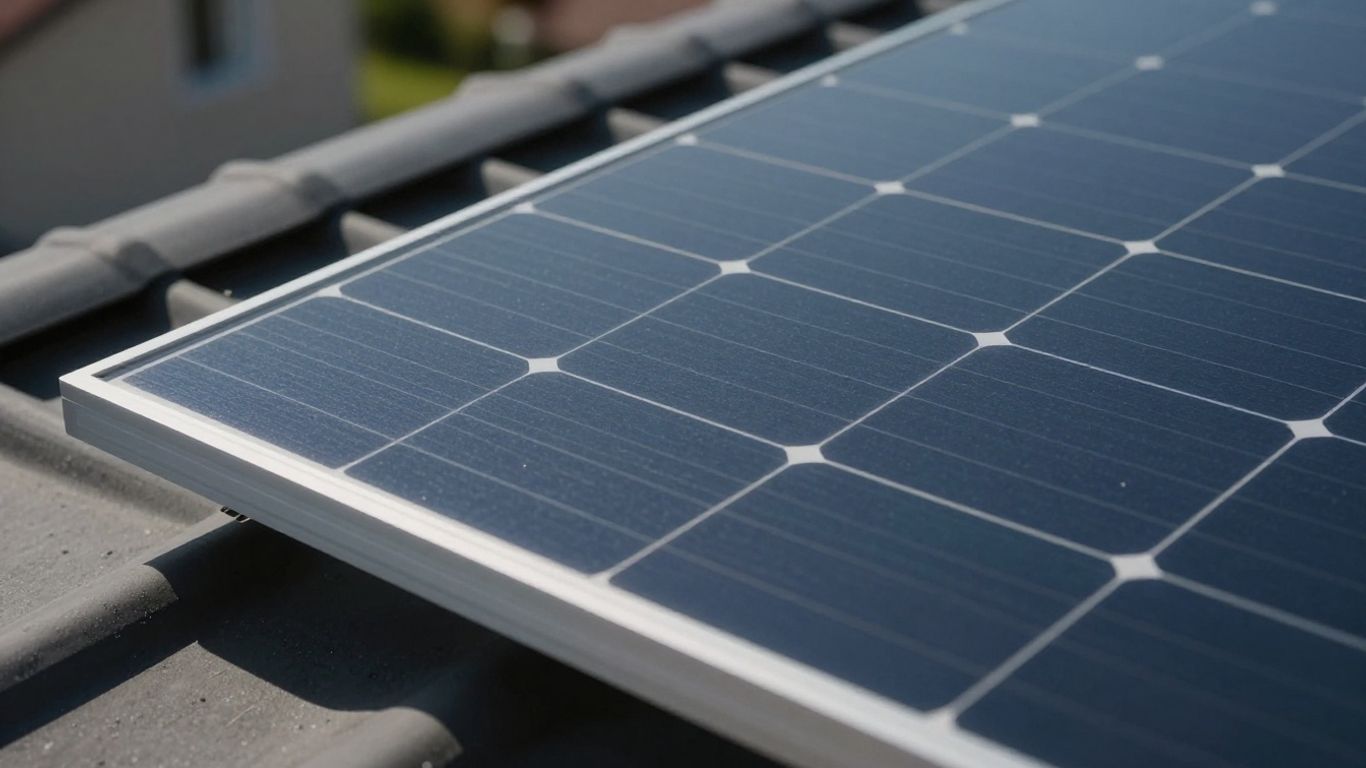
Embarking on self-installation of solar panels, as with the beem kit, offers undeniable advantages in terms of cost and simplicity. However, it is important to consider certain points before committing.
Absence of ten-year warranty for the installer
When you carry out the installation yourself, you do not benefit from the ten-year warranty that covers major construction damage for ten years. This warranty is generally linked to the intervention of an RGE (Reconnu Garant de l’Environnement – Recognised Guarantor of the Environment) certified professional. Although beem kits are guaranteed for their components (10 years for the 300W kit, 25 years for the 420W), this does not cover any damage related to a faulty installation on your part.
Inability to sell surplus electricity to EDF
One of the major constraints of self-installing a solar kit with a power not exceeding 3 kWp is the inability to sell surplus electricity you might produce to EDF. The system is designed for direct self-consumption: you consume what you produce. If selling surplus is an option you are considering, you will need to go through a professional and potentially a more complex system.
Potential use of energy vouchers for financing
Despite the limitations, there are potential aids. If you are eligible for energy vouchers, you can use them to finance the purchase of your solar kit. This is good news for reducing the initial cost of your self-consumption project.
- It is essential to fully understand that self-installation involves increased responsibility.
- Points to consider before you start:
Assessing the necessary power for your beem kit
Determining your specific energy needs
Before purchasing a beem solar kit, it is essential to understand your electricity consumption. The main goal of these kits is not to make you completely independent of the grid, but rather to reduce your bill by covering part of your needs. To do this, you need to identify what is known as the « base load consumption ». This is the minimum power your household consumes continuously, even when you are not using energy-intensive appliances. Think about the refrigerator, the internet box, or standby devices. These elements constitute a constant base consumption, and it is precisely this base that the beem kit aims to offset.
Covering your base load consumption
Base load consumption represents the basic consumption of your home. For example, a refrigerator and an internet box can account for about 300W of continuous consumption. If your base load consumption is 300W, a beem kit with a power of 300Wp (watt-peak) could theoretically cover this expense. It is important to note that the nominal power of a panel, measured in watt-peak, is achieved under ideal conditions. In practice, actual production varies depending on sunlight and other environmental factors. The idea is therefore to choose a kit whose peak power is equal to or slightly higher than your base load consumption for optimal efficiency.
Sizing the kit according to your appliances
To correctly size your beem kit, several steps are recommended:
- Analyse your current consumption: Check your electricity bills to get an idea of your annual and monthly consumption. If possible, use a measuring device to assess the consumption of your main appliances.
- Identify your base load consumption: Observe your household’s electricity consumption during off-peak hours, especially at night, when energy-intensive appliances are switched off. This is where you can estimate the base power consumed.
- Evaluate the power of available kits: Beem kits are generally offered with a defined peak power. For example, a standard kit may offer 300Wp. If your base load consumption is 250W, this kit will be well-suited. If you have higher needs, such as powering a swimming pool pump, you might consider coupling multiple kits.
There is no point in oversizing your installation. A kit that is too powerful for your base load consumption will not allow for energy storage. The goal is to produce just what you need to reduce your bill, not to generate electricity that would be lost or resold (which is not possible with this type of kit).
The modularity of the beem system allows for adding panels if your needs evolve or if you wish to cover other appliances, such as a pool pump. It is possible to couple up to three kits, offering a combined power of 900Wp. This may be relevant if your base load consumption is higher or if you wish to offset the consumption of specific appliances during their operation.
Potential risks associated with photovoltaic installation
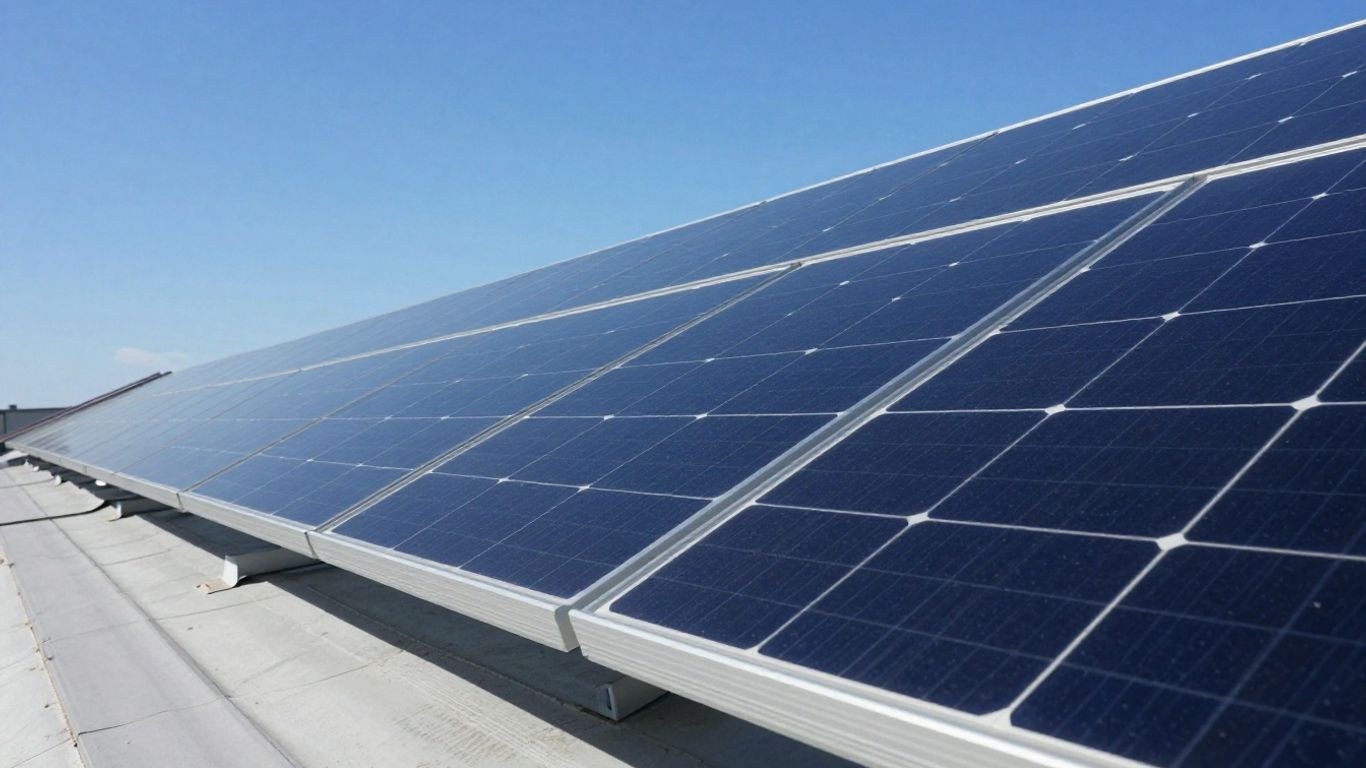
Even though the idea of installing your own solar panels might seem attractive, it’s important to consider the potential risks. The installation, although simplified with beem kits, is not without dangers if certain precautions are not taken. It should be noted that any intervention on your electrical system or at height carries risks.
Precautions during material handling
Before starting, ensure the equipment is in good condition. Poorly insulated or damaged cables can cause short circuits or electric shocks. It is therefore essential to check the integrity of each component. Negligent handling can have serious consequences for your safety and the longevity of your installation. Consider consulting the technical documentation provided for each item.
Dangers related to working at height
If you opt for installation on a roof or an elevated structure, the risk of falling is very real. It is imperative to follow safety rules. This includes using personal protective equipment such as harnesses and non-slip shoes. If you are not comfortable working at height, it is strongly recommended to call a professional. The safety of your household comes first.
The importance of choosing the right equipment
Opting for quality equipment is a key step in minimising risks. Components that comply with current standards guarantee better reliability and increased safety. For example, ensuring that your installation complies with French electrical standards, such as the presence of a circuit protected by a 30mA residual current device, is an essential safety measure. A well-designed installation with appropriate parts helps prevent breakdowns and incidents. For a compliant installation, it is advisable to refer to ADEME’s recommendations regarding maximum power per circuit according to French electrical standards.
Here are some points to check for a wise equipment choice:
- Compliance with standards: Check that all components comply with current electrical safety standards.
- Cable quality: Prefer cables resistant to weather and UV for better durability.
- Component compatibility: Ensure the micro-inverter is compatible with the panels and your home’s electrical grid.
- Circuit protection: The circuit to which the kit will be connected must be protected by an appropriate circuit breaker.
Modularity and extension of your beem installation
One of the major advantages of the beem solar kit lies in its flexibility. It is designed to adapt to your evolving needs, allowing you to grow your photovoltaic installation over time. This modular approach is particularly relevant for those who wish to start modestly and increase their production capacity later.
Possibility of coupling multiple kits
The beem system allows for easy connection of multiple kits together. If you decide, for example, that a single kit is no longer sufficient to meet your needs, you can add a second, or even a third. The connection between the panels and the Beembox is designed for this extension. Simply follow the instructions to integrate the new panels into your existing system. This offers you a clear path to increase your self-consumption without having to replace your entire initial installation. It’s a smart way to plan your energy transition.
Adapting power to evolving needs
Your energy consumption habits can change. Purchasing a new electric vehicle, adding more energy-hungry appliances, or even expanding your household are all reasons to increase your solar production. The beem kit allows you to respond to these changes. You can add panels or even a second complete kit to increase the total power of your installation. This adaptability ensures that your solar system remains relevant and efficient, even as your situation evolves. It is possible to couple multiple kits for increased energy production.
Optimising production for specific uses
Beyond increasing overall power, the modularity of the beem system also allows for optimising production for more targeted uses. For example, if you want to specifically power a workshop, a greenhouse, or even an electric vehicle charging station, you can configure your installation to maximise production during the hours when these devices are most used. The beem app, while not yet offering an open API for advanced home automation integration, provides detailed monitoring of your production, helping you understand how to adjust your system to best meet these specific needs. Adding panels can be done gradually, allowing you to test and adjust your configuration without a heavy initial investment.
Electrical connection of the beem solar panel
No electrical skills required for connection
One of the major advantages of the beem solar kit lies in the simplicity of its electrical connection. Designed to be accessible to everyone, it requires no prior knowledge of electricity. The system is designed for direct connection, eliminating the need to call a professional for this step. You can therefore carry out the entire installation, including the connection, autonomously. This is an approach that democratises solar energy production for individuals.
Importance of a socket protected by a circuit breaker
Although the connection is simplified, it is imperative to follow certain safety rules. The beem solar panel must be connected to a standard wall socket. This socket must be protected by a dedicated circuit breaker. This protection is essential to prevent any risk of overload or short circuit, thus ensuring the safety of your installation and your home. Make sure the circuit breaker is correctly sized for the intended use. If you have any doubts about the configuration of your existing electrical installation, it is always best to consult a qualified electrician to verify the compliance of the socket and circuit breaker. The goal is to be able to enjoy your energy production with complete peace of mind.
Simplicity of connecting to a standard socket
The connection process itself is very simple. Once the panels are installed and the inverter is connected, simply plug the solar kit cable into the secured wall socket. The system is designed for plug and play connection, meaning it is ready to use as soon as it is plugged in. There is no complex wiring to do or delicate connections to make. This ease of implementation allows you to start producing your own electricity in just a few minutes after the physical installation of the panels. It’s an ideal solution for those who want to get started with self-consumption without technical complications. For a professional and safe installation, you can rely on Beem‘s partners.
Here are the key steps for a successful connection:
- Check that the wall socket is properly protected by a circuit breaker.
- Plug the beem solar kit cable directly into this socket.
- Ensure the connection is stable and secure.
The electrical connection is the final step before you can observe your energy production. It is a step that demonstrates the accessibility of solar technology thanks to solutions like the one offered by Beem.
Connecting your Beem solar panel is simpler than you think! We’ll explain how to get your installation up and running quickly. Want to know more about the connection steps? Visit our website to discover all the details and start your solar project today.
In conclusion: is the Beem solar kit an accessible solution?
In summary, the Beem Energy solar kit presents itself as an interesting option for those who wish to start producing solar energy without major complications. Its simplified installation, refined design, and affordable cost make it an attractive solution. However, it is important to keep its limitations in mind, particularly the absence of a ten-year warranty and the inability to resell surplus electricity to EDF. If direct self-consumption meets your needs and you are looking for an easy-to-implement solution, the Beem kit might be just what you need. Don’t hesitate to accurately assess your consumption and contact the Beem team with any questions before you start.
Frequently Asked Questions
What is the Beem solar panel?
The Beem solar panel is a simple solution for producing your own electricity. It’s a small panel, easy to install yourself, that plugs directly into a power socket. It’s an accessible way to start using solar energy.
How do I install a Beem solar panel?
The installation is designed to be very easy. You receive a complete kit with clear instructions. Generally, you just need to fix the panel (on the wall or ground) and plug it into a standard electrical socket. No need to be a DIY expert!
Do I need any special skills to install it?
No, the main advantage of the Beem kit is that it requires no special technical skills. Everything is designed so you can do it yourself in under an hour, without complicated tools.
What is the main advantage of this system?
The main advantage is its simplicity and affordable cost. You can produce your own green electricity without a large investment or complicated work. It’s a tangible way to save money on your electricity bill.
Can I sell the electricity I produce?
No, with this type of ‘plug and play’ kit, the electricity you produce is directly consumed by your home. You cannot sell it to suppliers like EDF. The idea is to reduce your electricity consumption from the grid.
What happens if I move?
This is another strong point! As the panel is easy to install, it’s also easy to dismantle. So you can take it with you and reinstall it in your new home.
How do I know which kit power to choose?
You need to look at how much electricity you consume constantly (what’s called the ‘base load consumption’). The goal is for your panel to produce enough energy to cover part of this basic consumption, like that of your refrigerator or your internet box.
Can I add more panels later?
Yes, the system is modular. You can buy and connect multiple kits together to increase the amount of electricity you produce, if your needs evolve or if you want to cover even more of your consumption.
