The BACS decree, which stands for Building Automation and Control Systems, mandates the installation of automation systems in commercial buildings. The primary objective is to improve energy performance by optimising the management of heating, air conditioning, and ventilation systems. This regulation, although technical, aims for concrete benefits in terms of energy savings and reduced environmental impact. It is important to understand its implications to comply.
Key Points of the BACS Decree
- The BACS decree concerns commercial buildings with heating, air conditioning, or ventilation systems whose power exceeds certain thresholds (290 kW and 70 kW), with different deadlines for new and existing buildings.
- The implementation of the BACS decree involves the installation of an automation and control system, often in the form of Building Management System (BMS), to manage and optimise energy consumption.
- The initial deadlines have been postponed, with the new deadline for systems over 70 kW being 1 January 2030, to better align with European directives and take into account the budgetary context.
- Although no direct penalties are explicitly mentioned for non-compliance with the BACS decree, non-compliance can lead to a formal notice, financial penalties, and a devaluation of the property.
- Financial aid, particularly through Energy Saving Certificates (CEE) such as the Prime Énergie, can contribute to the financing of the installation of compliant BACS systems (minimum Class A or B).
Understanding the BACS Decree and its Objectives
Definition of the BACS Decree
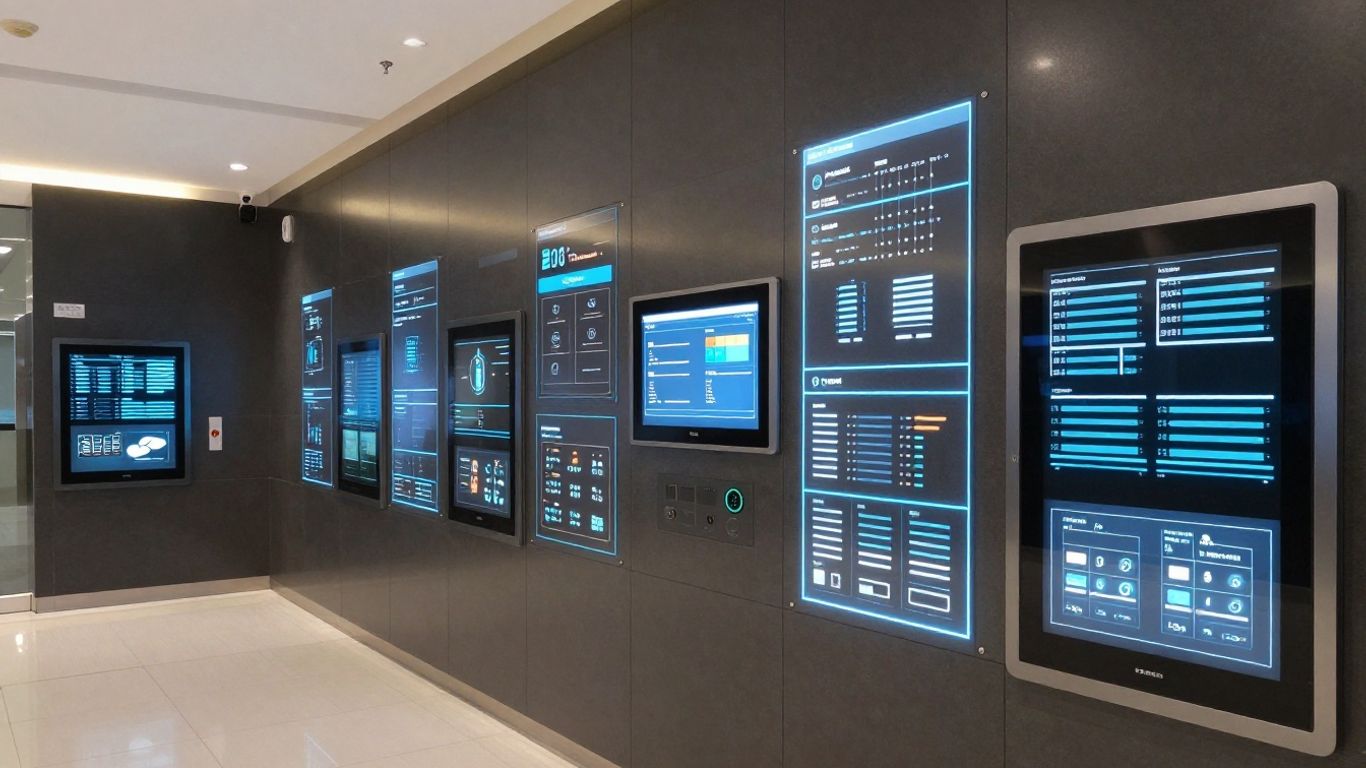
The BACS decree, an acronym for Building Automation & Control Systems, is a French regulation published in July 2020. It mandates the installation of automation and control systems in commercial buildings. The primary objective is to optimise the management of the most energy-intensive technical installations, namely heating, air conditioning, and ventilation. These systems allow for automatic regulation and centralised supervision, thus contributing to better energy efficiency.
Aims of the Regulation
The implementation of the BACS decree aims to achieve several essential goals. Firstly, it is about significantly reducing energy consumption in the tertiary sector, one of the main national energy expenditure items. This approach is part of a broader logic of energy transition and the fight against climate change. Secondly, it seeks to improve the comfort of building occupants by ensuring finer regulation of indoor environments. Finally, it contributes to the enhancement of property value by modernising installations and making buildings more attractive on the market. This regulation is a concrete lever for achieving greenhouse gas emission reduction targets in line with the low-carbon strategy.
Link with the Tertiary Decree
The BACS decree is closely linked to the tertiary decree (Éco Énergie Tertiaire scheme). While the tertiary decree sets ambitious result-oriented targets for energy consumption reduction (e.g., -40% by 2030), the BACS decree imposes an obligation of means to achieve them. The installation of automation and control systems is therefore a key tool for achieving these energy performance objectives. The data collected by BACS systems greatly facilitates the annual declarations required by the tertiary decree, creating synergy between the two regulations. The BACS decree is therefore an essential complement for the effective implementation of the tertiary decree aiming for energy reductions.
Identification of Buildings Concerned by the BACS Decree
The BACS decree specifically targets buildings in the tertiary sector, whether new or existing. The aim is to focus on the installations that consume the most energy to optimise their management. It therefore does not apply to residential buildings.
Power Thresholds for Installations
The main criterion for determining whether a building is covered by the BACS decree is the nominal useful power of its heating, air conditioning, or a combination of both with ventilation systems. Initially set at 290 kW, this threshold was lowered to 70 kW by an update to the decree in April 2023. This change significantly broadens the number of buildings subject to this regulation. It is therefore essential to check the power of your equipment to assess your situation.
New and Existing Buildings
The BACS decree applies to both new constructions and buildings already in service.
- New Buildings: Those for which the building permit was filed after 21 July 2021 and whose systems reach the required power are concerned from 8 April 2024.
- Existing Buildings: Those with a power greater than 290 kW were required to comply from 2025. For those with a power between 70 kW and 290 kW, the deadline is set for 2027.
Eligibility Criteria
To be subject to the BACS decree, a building must meet several cumulative conditions:
- It must house tertiary activities, whether commercial or non-commercial.
- It must be equipped with a heating or air conditioning system, potentially coupled with ventilation.
- The nominal useful power of these systems must be greater than 70 kW.
It is important to note that the BACS decree is part of a broader initiative to reduce building energy consumption, directly linked to the objectives of the tertiary decree. The installation of Building Automation and Control Systems (BACS) allows for better Building Management System (BMS) and contributes to optimising overall energy performance.
Deadlines and Implementation Schedule for the BACS Decree
New Deadlines
The implementation schedule for the BACS decree has undergone adjustments. Initially planned for earlier dates, the deadlines have been postponed for certain existing buildings. For installations with a power greater than 290 kW, the obligation to install a BACS system has been in effect since 1 January 2025. However, for buildings with a power between 70 kW and 290 kW, the deadline has been postponed. This new deadline is set for 1 January 2030. This change aims to give owners more time to comply, particularly in an economic context where investments can be more difficult to plan.
Impact of the Postponement
This postponement of the deadline, particularly for buildings of intermediate power, offers appreciable room for manoeuvre. It allows for more serene alignment of obligations with other European regulations, such as the EPBD directive, which also sets targets for 2030. This additional time can be seen as an opportunity to better prepare projects, integrating BACS systems into a global energy efficiency renovation strategy. However, vigilance is required: a postponement should not turn into a period of inaction. Climate challenges and rising energy costs remain, and anticipating allows for smoothing expenses and capturing energy savings benefits more quickly. The goal is to avoid a saturation of professionals at the end of the period.
Importance of Anticipation
Despite the postponement of certain deadlines, it is strongly advised not to wait until the last moment to start the process. The installation of a BACS system represents an investment that requires careful planning. Anticipating allows you to:
- Smooth investment costs over several years, making the expense more manageable.
- Integrate BACS compliance into a broader initiative to improve the building’s energy performance.
- Avoid the saturation of installers and specialised design offices, which is likely to occur as the 2030 deadline approaches.
- Start achieving energy savings as soon as possible, thereby reducing operating costs and environmental footprint.
The implementation of a Building Automation and Control System (BACS) is a key step for energy efficiency. The schedule, although adjusted, requires a proactive approach for a successful transition.
Periodic inspections, which must take place every five years, are also an element to consider in the overall building management plan. These checks aim to ensure the proper functioning and compliance of the installed systems, thereby helping to maintain the expected energy performance in the long term. It is therefore wise to find out now about the eligibility criteria to correctly identify the buildings concerned by these obligations.
Regulatory Obligations for Automation Systems
The BACS decree imposes precise requirements concerning building automation and control systems. These obligations aim to improve the overall energy performance of installations.
Required Functionalities of BACS Systems
Building Automation and Control Systems (BACS) must integrate a set of key functionalities to meet regulatory requirements. It is not just about installing a device, but ensuring it operates optimally to reduce energy consumption. These systems must allow for continuous monitoring, recording, and analysis of energy production and consumption data. The data collected, by functional zone and on an hourly basis, must be stored monthly for at least five years. The objective is to be able to adjust parameters in real-time for better efficiency.
Expected functionalities include:
- Monitoring and analysis of energy data: Collection and analysis of consumption to identify improvement potential.
- Energy efficiency assessment: Comparison of actual performance with reference values to detect efficiency losses.
- Optimisation of equipment usage: Automatic regulation of heating, ventilation, air conditioning, and lighting based on occupancy, schedules, or weather.
- Malfunction detection: Rapid identification of technical problems and consumption deviations through automated alerts.
Building Management System (BMS)
The implementation of a Building Management System (BMS) is at the heart of the BACS decree’s obligations. This centralised system collects information on equipment usage and allows for remote control. BMS must comply with specified standards, particularly Class A or B according to standard NF EN ISO 52120-1:2022. These systems are a significant lever for achieving energy savings and meeting the challenges of the Tertiary Energy Efficiency Scheme.
Interoperability and System Control
Interoperability of technical systems is a fundamental requirement. It allows different equipment, often of various brands and technologies, to be connected within a unified management platform. Without this capability, systems operate in isolation, limiting efficient use of energy resources. The BACS decree also emphasises the possibility of manual shutdown and autonomous system management, while ensuring that the data produced is accessible to the owner of the automation system. The latter is responsible for transmitting relevant data to the operators of the various technical systems. The installation of these systems can be supported by schemes such as Energy Saving Certificates.
Compliance with the BACS decree requirements is not limited to the initial installation. It involves active and continuous management of the systems to ensure optimal energy performance in the long term. Automation and precise control of equipment are key to achieving these objectives.
Compliance and Performance Classes
To comply with the BACS decree, buildings must integrate automation and control systems that meet specific performance requirements. These requirements are defined by classes, based on the NF EN ISO 52120-1 standard. It is not enough to install a system; it must achieve a certain level of efficiency.
Class Requirements for Systems
The classification of Building Management Systems (BMS) is structured around four levels: D, C, B, and A, from least to most performant. The BACS decree does not systematically require the highest class for all functions, but it imposes minimum standards.
- Class D: Limited energy performance. This level does not meet the requirements of the BACS decree.
- Class C: Standard energy performance. This is the reference class, ensuring basic automatic regulation and elementary consumption monitoring. It is generally sufficient for most buildings.
- Class B: Advanced energy performance. These systems integrate more advanced automation and regulation functions, allowing for better optimisation of consumption.
- Class A: High energy performance. This maximum level uses sophisticated data to anticipate needs and significantly optimise technical systems.
It is important to note that if a BMS is globally classified as C, certain specific functions must reach a higher level to be compliant. For example, the management of setpoints must be Class B, and the functions for managing operating times and reporting energy consumption must be Class A. If your existing system does not meet these criteria, a partial upgrade is necessary.
Applicable Standards for BMS
The main standard governing these performance classes is NF EN ISO 52120-1. It details the expected functionalities for each class, ranging from simple equipment monitoring to complete system automation. The choice of BMS class must be consistent with the specific needs of the building and its energy performance objectives. The installation of compliant systems may qualify for financial aid, such as Energy Saving Certificates (CEE), which aim to encourage energy improvement work.
Eligibility for Financial Aid
Achieving certain performance classes, particularly Classes A, B, and C, can make your project eligible for aid schemes. These aids aim to reduce the initial investment cost and improve the profitability of the work. It is therefore advisable to inquire about the various grants and subsidies available to finance the compliance of your BMS system. The calculation of the Return on Investment (ROI) period is a key criterion for determining eligibility for certain obligations, and an ROI of less than 10 years makes the obligation applicable. If the ROI is longer, an exemption may be possible under certain conditions.
Inspections and Monitoring of BACS Installations
Once your BACS system is installed, it is not enough to let it run on autopilot. The regulation requires regular checks to ensure that everything is working as expected and that energy saving objectives are being met. This is a key step in ensuring the compliance and efficiency of your installation.
Mandatory Periodic Inspection
The BACS decree provides for an inspection of your building automation and control system. This inspection must be carried out by a qualified professional. It is not a mere formality; it aims to verify that the system is not only present but also functioning correctly and complying with all legal requirements. The first inspection for existing systems was due by 1 January 2025. For new installations, the schedule will depend on their commissioning date.
Checks to be Performed
During these inspections, several points are examined closely. The aim is to ensure that the BACS system is fulfilling its main functions:
- Consumption Monitoring: Verify that energy consumption data is collected and analysed by functional zone, ideally on an hourly basis.
- Drift Detection: Ensure that the system is capable of identifying efficiency drops or abnormal overconsumption.
- Equipment Optimisation: Confirm that the system adjusts the operation of equipment (heating, ventilation, air conditioning, lighting) according to actual needs, such as occupancy or weather.
- Interoperability: Verify that the system can communicate with other technical systems in the building, if necessary.
The objective is to ensure that the system actively contributes to the building’s energy performance.
Retention of Energy Data
The decree also imposes an obligation to retain energy data. Information relating to the production and energy consumption of technical systems must be recorded and stored. This data, collected by functional zone, must be stored at least monthly for a period of five years. This traceability is essential for performance monitoring, identifying improvement potential, and justifying compliance during inspections. It allows for tracking the evolution of the building’s energy efficiency over time and ensuring that the expected gains are achieved. It is tangible proof of the owner’s commitment to the energy management of their property, and it can be useful for understanding the BACS decree and its objectives.
Regular monitoring and analysis of data collected by the BACS system are essential. Without active use of the information, even the most efficient system can become underutilised, leading to a loss of expected energy savings. It is therefore recommended to establish clear procedures for data analysis and adjustment of operating parameters.
Consequences of Non-Compliance with the BACS Decree
Potential Penalties
It is important to note that the BACS decree, in its current wording, does not detail direct financial penalties for non-compliance. However, the absence of explicit penalties should not obscure the real implications. Non-compliance with this regulation can lead to significant additional energy costs, damage to your company’s image, and potentially difficulties during property transactions. It should be kept in mind that the regulatory framework is evolving, and stricter measures may be introduced in the future. Furthermore, non-compliance with obligations related to the tertiary decree, to which BACS is closely linked, can already result in substantial fines. Legal entities can be fined up to €7,500, plus €1,500 per non-compliant building [2023].
Impact on Property Value
Beyond direct financial aspects, failing to comply with the BACS decree can affect the value of your real estate assets. A building equipped with efficient automation systems, such as those required by the decree, is perceived as more modern, more efficient, and more environmentally friendly. This makes it more attractive on the market, whether for rental or sale. Conversely, a building that is not up-to-date risks losing value and becoming less competitive. The installation of higher-class Building Management Systems (BMS), for example, contributes to this valuation, both economically and environmentally.
Formal Notice and Penalties
Although the BACS decree does not provide for immediate penalties, periodic inspection of automation systems is mandatory every five years. This check, carried out by a qualified professional, ensures the presence and proper functioning of the system, as well as its compliance with regulatory requirements. In case of non-compliance found during these checks, a formal notice to regularise may be issued. If the situation is not rectified within the given deadlines, financial penalties could be applied, even if they are not yet explicitly defined in the current text of the BACS decree [9f45]. It is therefore prudent to consider these obligations as a necessity to avoid future complications.
Aid and Financing for BACS Installation
Energy Saving Certificates (CEE)
The installation of a BACS system (or BMS in France) can be partially financed through Energy Saving Certificates (CEE). These schemes aim to encourage energy performance improvement work in buildings. Standard sheet BAT-TH-116, for example, governs this aid. The amount of the bonus depends on several factors, including the building’s surface area, the type of solution installed, and the climate zone. It is important to note that to be eligible, the system must achieve at least Class B according to standard NF EN ISO 52120-1; Class C alone is not sufficient to benefit from this aid. These bonuses can cover a significant portion of the expenses, sometimes between 60% and 80% of the total cost, making the investment much more accessible. It is therefore advisable to aim for a performance class higher than C from the outset to maximise financial benefits.
Prime Énergie and Other Schemes
Beyond CEE, other financial schemes can supplement the financing of your BACS project. The Éco-Prêt à Taux Zéro (Éco-PTZ) allows for financing energy renovation work without interest, with the state covering these costs. In addition, local subsidies, offered by regions, departments, or municipalities, can be added to national aid. These local aids are often unknown but can represent significant financial support to accelerate the energy transition of your property. It is recommended to contact local authorities to find out about specific schemes in your geographical area. ADEME may also offer financing for energy audits prior to the installation of a BACS system, thus helping to identify the best energy optimisation solutions.
Investment Profitability
Investing in a BACS system is not just a regulatory obligation; it is also a sound economic choice. The energy savings generated by good management of heating, ventilation, and lighting are generally between 20% and 30%. With these savings, the payback period for a BACS system is usually between 3 and 7 years. This period can vary depending on the cost of energy and the performance level achieved by the system. In addition to direct savings, a well-operated BACS system improves occupant comfort, which can have a positive impact on productivity. It also helps to extend the lifespan of technical equipment and enhance the value of your property. Anticipating implementation allows for smoothing expenses and starting to achieve savings earlier, thus avoiding an overload of professionals at the end of the regulatory period.
Responsibilities of the Building Owner
As the owner of a commercial building, you bear the primary responsibility for bringing your installations into compliance with the BACS decree. This involves a proactive approach to understanding the requirements and planning the necessary work.
Ensuring Implementation
Your role begins with the installation or upgrade of Building Automation and Control Systems (BACS). This is not just about installing a new system, but ensuring that it meets the functionalities required by the regulation. This includes monitoring energy data, adjusting performance, estimating energy efficiency, detecting anomalies, and controlling technical equipment. The owner is responsible for the initial compliance of the system. It is important to note that even the replacement of a heating or air conditioning unit can trigger this obligation, regardless of the general deadlines. Therefore, BACS compliance must be integrated from the planning stage of any HVAC system replacement.
Organising Inspections
Once the system is installed, your responsibility does not end there. The BACS decree requires a periodic inspection every five years. This check is mandatory and aims to ensure that the system continues to operate in accordance with regulatory requirements and expected performance levels. The first inspection must take place within two years of the acceptance of the works, but it is strongly advised to carry it out within the year to anticipate potential problems and retain recourse in case of non-compliance. This inspection covers the system architecture, the proper functioning of regulatory functions, and compliance with the required class levels. Organising these inspections is your responsibility.
Ensuring Compliance
Beyond installation and inspections, you must ensure that the system remains compliant over time. This may involve regular adjustments or maintenance. It is also important to retain the energy data recorded by the system, as it may be requested during inspections. Non-compliance, although not yet accompanied by specific penalties, can lead to increased energy costs, damage to the image of your property, and difficulties in valuing or renting it. BACS compliance is therefore a key element of your property portfolio management, as part of a global energy performance approach. It should be noted that the BACS decree only concerns buildings for commercial use; the residential sector is not subject to this obligation, even though the installation of automation systems may be of interest for large co-ownerships. The BACS decree modifies the application dates of obligations for building automation and control systems, ensuring a gradual adoption of these requirements [c094].
The owner’s responsibility extends to understanding the power thresholds that trigger subjection, whether for new or existing buildings, and verifying the specific eligibility criteria for each situation.
As an owner, you have important duties for your building. Ensure that everything is in order for safety and proper functioning. If you have questions about your obligations or are looking for solutions to improve your building, do not hesitate to visit our website to learn more.
In Summary: A Gradual but Necessary Approach
The BACS decree, with its adjusted deadlines, represents an important step in the modernisation of commercial buildings. Although the schedule has been revised, the objective of energy performance remains the same. It is advisable not to wait until the last minute to comply. Anticipating not only allows for better cost management and avoids overloading installers, but also enables you to start benefiting from energy savings sooner. The implementation of a BMS, even if it requires an initial investment, is a concrete way to reduce consumption and enhance property value. Regular inspections and potential penalties underscore the importance of this approach to achieving national climate objectives.
Frequently Asked Questions
What is the BACS decree, in a nutshell?
The BACS decree is a new rule for large buildings (like offices or shops). It requires the installation of smart systems to better manage the energy used by heating, air conditioning, and ventilation. The idea is to reduce waste and lower energy bills.
Which buildings must follow this rule?
It mainly concerns commercial buildings, whether new or already built. You need to look at the power of the heating and air conditioning systems. If it exceeds certain thresholds (for example, more than 290 kilowatts), then the building is covered by the decree.
When does all this need to be implemented?
The largest buildings were due to be ready by early 2025. For slightly less powerful buildings, the deadline has been pushed back to early 2030. You need to check the specific deadline that applies to your building to avoid being late.
What exactly must these smart systems do?
These systems, also called BMS (Building Management Systems), must be able to monitor energy consumption, analyse it to see if everything is okay, and allow control of heating, air conditioning, etc. They must also be able to operate autonomously and be connected to other building equipment.
Does my BMS need to be a special class to be compliant?
Yes, there are performance requirements. Systems must achieve at least Class C, but it is often recommended to aim for Class B or A to ensure compliance and to make the most of financial aid, such as Energy Saving Certificates (CEE).
Can I be inspected and fined if I don’t comply with the BACS decree?
The decree provides for inspections, normally every 5 years. If the system is not installed or not functioning correctly, there may be a formal notice to bring it into compliance. Although direct fines are not yet clearly defined for BACS alone, non-compliance can also reduce the value of your building.
Is there any aid available to pay for the installation of these systems?
Yes, that’s good news! You can receive financial aid, particularly through Energy Saving Certificates (CEE), such as the Prime Énergie. These aids can cover part of the installation cost, making the investment more profitable.
Who is responsible for ensuring everything is compliant?
The building owner has the primary responsibility. They must ensure that the BACS system is properly installed, complies with the rules, and is regularly inspected. They are the ones who must organise the necessary checks.

Journaliste spécialisée en transition énergétique et consultante RSE. À 42 ans, Claire combine une formation en journalisme (Master Sciences Po) et un diplôme d’ingénierie environnementale (École des Mines / INSA). Après 10 ans dans la presse économique et 7 ans en cabinet de conseil RSE, elle écrit pour aider les décideurs B2B à comprendre les réglementations, les enjeux climatiques et les innovations énergétiques.