
Installing solar panels is an excellent initiative for the environment and for reducing your energy bills. However, like any electrical installation, it carries risks, particularly that of fires. Ensuring the safety of your photovoltaic system is therefore paramount. This article presents five essential rules for good photovoltaic panel fire safety and protecting your installation.
Key Takeaways
- Compliance with electrical standards and current regulations for a safe installation.
- Systematic use of personal protective equipment (PPE) adapted to electrical risks.
- Application of rigorous assembly procedures to avoid installation defects.
- Identification and assessment of potential electrical risks associated with your system.
- Implementation of overheating prevention measures to avoid fires.
1. Compliance with Electrical Codes and Regulations
The installation of photovoltaic panels is subject to a strict regulatory framework, aimed at ensuring the safety of property and people. It is therefore essential to comply with current electrical standards. These technical rules define the requirements for the design, installation, and maintenance of solar systems. Ignoring these directives can lead to malfunctions, fire risks, or even penalties. A compliant installation is the first step towards a safe and efficient solar system.
Compliance with electrical codes, such as standard UTE C 15-712-1, is a legal obligation. This standard, regularly updated, covers all technical aspects, from surge protection to cable cross-section, including automatic inverter decoupling. It is important to ensure that all components used are certified and suitable for their intended use.
Here are the key elements to consider for a compliant installation:
- Compliance with standards: Check that your installation complies with local and national electrical standards, such as the UTE C 15-712-1 standard.
- Surge protection: Implement adequate protection devices to prevent damage caused by surges, whether they originate from lightning or the grid.
- Earthing: Ensure proper earthing of all metallic components of the system to dissipate fault currents and protect against electric shocks.
- Disconnection: Provide accessible disconnection devices to isolate the system in case of intervention or emergency.
Precise documentation of each installation step and the checks carried out is also a regulatory requirement. Keeping these records is essential to prove the compliance of your system and for any future interventions.
2. Use of Personal Protective Equipment (PPE)
Working on photovoltaic installations, whether during installation or maintenance, exposes workers to specific risks, particularly electrical and fall risks. To minimise these dangers, the wearing of appropriate Personal Protective Equipment (PPE) is absolutely necessary. This is not a mere formality, but a concrete safety barrier against electric shocks and other potential incidents.
The choice of PPE must be made carefully, taking into account the nature of the work and the identified risks. Here are the key elements to consider:
- Hand protection: Insulating gloves, compliant with current standards, are essential for handling electrical components or working near live circuits. They protect against electrical arcs and shocks.
- Head protection: Wearing a safety helmet is paramount, especially during work at height or in areas where falling objects are possible. It must be adapted to electrical risks.
- Eye protection: Safety glasses or a face shield are required to prevent debris projections or splinters during cutting, drilling, or in the event of an electrical arc.
- Body protection: Durable work clothing, flame-retardant if necessary, and insulating safety footwear complete the equipment. It is also important to ensure that clothing does not have loose threads that could get caught.
- Fall protection: If work is carried out at height, a safety harness with a fall arrest system is mandatory. Its proper anchoring and condition must be ensured.
Strict adherence to wearing this equipment is a fundamental step to ensure the safety of technicians. It is also important to regularly check the condition of this PPE and replace it as soon as it shows signs of wear or degradation. A good understanding of the components of a photovoltaic installation is also an asset for anticipating risks. Remember that safety also involves implementing collective protection devices, such as guardrails, and good site organisation, particularly concerning access to work areas and danger signage. The use of an adequate photovoltaic protection box is also among the important preventive measures.
3. Meticulous Assembly Procedures
The installation of photovoltaic panels requires particular attention at each stage. A well-executed assembly is the first line of defence against future problems, including fire risks. It is imperative to scrupulously follow the manufacturer’s instructions and current standards. This begins with meticulous site preparation and a check of the solidity of the support structure.
Correct panel fixing is absolutely essential for the safety and durability of the installation. The use of quality anchoring equipment and its installation according to technical specifications ensure that the panels remain securely in place, even in adverse weather conditions. It must be ensured that each component is correctly tightened and positioned.
Here are some key points to consider during assembly:
- Checking the integrity of the panels before installation to detect any defects.
- Compliance with recommended safety distances between panels and surrounding elements.
- Use of appropriate tools in good condition to avoid any material or personal damage.
- Electrical connection carried out in strict compliance with procedures to prevent short circuits.
The slightest oversight or negligence during assembly can have serious consequences, ranging from a decrease in installation performance to dangerous situations such as a fire starting. Rigour is therefore essential.
4. Identification of Electrical Risks
The installation of photovoltaic panels, whilst beneficial for the environment, presents electrical risks that are crucial to understand. These systems generate direct current (DC), and improper handling can lead to serious incidents. It is therefore necessary to understand the basics of electricity to work safely.
The main electrical dangers to consider include:
- The risk of electrocution: Direct or indirect contact with live components can have fatal consequences. It is important to always check that the system is de-energised before any intervention and to use insulated tools.
- Electrical arcs: These can occur during the connection or disconnection of circuits under load, causing severe burns and fires.
- Overvoltage: Overvoltages, whether from lightning or grid problems, can damage equipment and pose a fire risk.
A thorough understanding of voltage and current is essential for a safe installation. Voltage, which is the driving force of electrons, must be compatible with all system components. A voltage imbalance can lead to overloads and overheating. It is also important to remember that even when the system is disconnected, panels can continue to produce electricity if exposed to light, which represents a persistent danger. Adequate training on electrical safety is therefore a non-negotiable step before starting any work on a photovoltaic installation. For more information on best practices, consult INRS resources on occupational risks.
It is also important to note that the degradation of solar panels, often due to chemical reactions or internal breakages, can affect their performance and potentially create new electrical risks over time. Regular inspection is therefore recommended to identify any signs of deterioration [5eaa]. The use of appropriate personal protective equipment (PPE), such as insulating gloves and safety glasses, is an additional precautionary measure to minimise risks during interventions.
5. Fire Prevention through Overheating
Overheating of photovoltaic panels is a serious cause of fire. This can occur if a panel is damaged or if the ventilation system is insufficient. Excessive heat can quickly trigger a fire. It is therefore important to monitor the operating temperature of your panels and ensure that heat is properly dissipated. Poor installation, such as incorrect panel positioning, can also create localised hot spots and increase the risk of ignition.
To avoid these problems, several points should be considered:
- Check component quality: Ensure that PCBs, transformers, and other internal components of inverters are made from materials that do not easily ignite. Wires must also have a flame-retardant coating.
- Comply with sealing standards: Cable glands and junction boxes must be properly sealed to prevent the ingress of moisture and dust, which can cause short circuits and overheating.
- Install smoke detectors: Placing smoke detectors near your solar system can provide early warning in the event of a fire starting, allowing for rapid intervention.
Regular maintenance and thorough inspections of all system components, including electrical circuits and connections, are necessary to identify and correct potential problems before they cause a fire. This contributes not only to safety but also to the longevity of your installation.
It is also advisable to ensure that your home insurance adequately covers your solar system, as standard policies might not cover repairs or replacements in the event of an incident. Contact your insurer to discuss increasing coverage limits to protect your photovoltaic investment. Electrical faults, such as short circuits or faulty wiring, are another major cause of fire in photovoltaic solar systems.
6. Standards-Compliant Installation
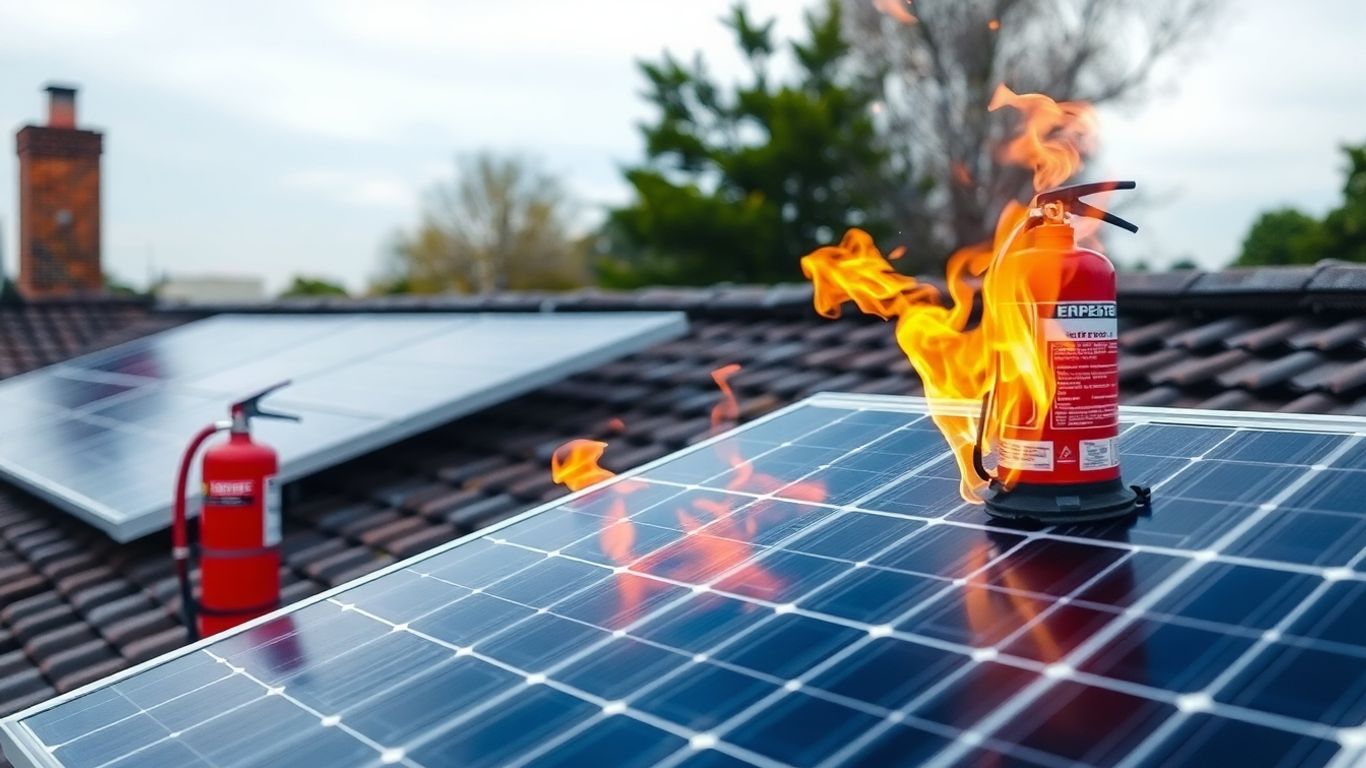
The installation of photovoltaic panels must imperatively follow current standards to guarantee the safety and performance of your system. This involves particular attention to electrical compliance, notably with standard NF C 15-100 which governs low-voltage electrical installations in France. It is essential to ensure that all components, from the panels themselves to the inverters and wiring, comply with these standards. An installation that does not comply with standards can not only present fire or electrocution risks but also lead to warranty problems and difficulties during inspections.
Compliance with electrical regulations is a key step for a safe solar installation. This includes the installation of a compliant electrical panel, the use of residual current devices and appropriate circuit breakers, as well as correct earthing of the system. Good earthing is paramount for dissipating overvoltages and protecting against electric shocks.
Here are some points to check for a compliant installation:
- Checking material compatibility: Ensure that all elements used are certified and suitable for a photovoltaic installation.
- Compliance with wiring diagrams: Scrupulously follow the manufacturer’s plans and guidelines for electrical connection.
- Installation of protection devices: Integrate protection devices against overcurrents and earth faults, such as circuit breakers and surge protectors.
- Sealing and fixing of panels: Ensure that the panels are securely fixed and that the roof’s watertightness is preserved to prevent water infiltration.
It is also important to stay informed about regulatory developments. Fire behaviour tests for roofs and solar panels, for example, are carried out according to specific standards such as XP CEN/TS 1187, which allows for fire risk classification. A well-thought-out installation from the outset, in accordance with local regulations, is the best guarantee against future incidents. Remember that documentation of each installation step is also proof of compliance.
7. Documentation of Safety Protocols
Maintaining accurate and up-to-date records is a key step to ensure the safety of your photovoltaic installation. This involves documenting all safety procedures, training undertaken by personnel, as well as inspections and maintenance carried out. These documents serve as proof of your commitment to safety and may be required in the event of an audit or incident.
It is important to keep a written record of:
- The safety protocols specific to your installation.
- Training provided to personnel regarding electrical risks and emergency procedures.
- Inspection and preventive maintenance reports.
- Modifications made to the system and the reasons for these changes.
- Technical data sheets for the equipment used.
Rigorous documentation not only allows for monitoring the evolution of your system’s safety but also facilitates the intervention of emergency services if needed. Knowing where to quickly find relevant information, such as electrical diagrams or emergency shutdown procedures, can make a significant difference. Consider organising these documents logically and accessibly, for example in a dedicated binder or an electronic document management system. This facilitates consultation and ensures the continuity of good practices, even with staff changes. For optimal management, it is advisable to refer to essential information for electrical self-monitoring.
The implementation of clear and comprehensive documentation is a guarantee of seriousness and professionalism. It reflects a proactive approach to risk management and contributes to the sustainability of your solar installation.
8. Employee Training
The safety of your photovoltaic installation largely depends on the competence of the people who handle and maintain it. It is therefore essential to ensure adequate training for your teams. This training must cover not only the technical aspects of installation and maintenance but also safety procedures specific to solar systems.
Good training enables technicians to understand the electrical risks inherent in solar panels and how to avoid them. They must be able to identify dangerous situations and apply life-saving actions in the event of an incident. Mastery of emergency shutdown procedures is also a key point to address.
Here are some essential elements to include in the training programme:
- Basic principles of electricity and the operation of photovoltaic systems.
- Identification of electrical hazards and associated risks (electrical arc, electrocution).
- Correct use of personal protective equipment (PPE) adapted for working on solar installations.
- Lockout/tagout and safe disconnection procedures for panels.
- First aid actions in case of an electrical accident.
- Knowledge of current standards and regulations for installation and maintenance.
It is also beneficial to share feedback on past incidents, so that teams concretely understand the consequences of negligence. Continuous training, regularly updated according to technological and regulatory developments, is the best guarantee for maintaining a high level of safety. Consider consulting available resources for good preparation, such as those concerning the installation and maintenance of thermal and photovoltaic solar panels ED 137 Sheet.
A well-trained team is a team that anticipates problems and knows how to react effectively when needed. This significantly reduces the risk of accidents and protects both personnel and the installation.
9. Emergency Shutdown Procedures
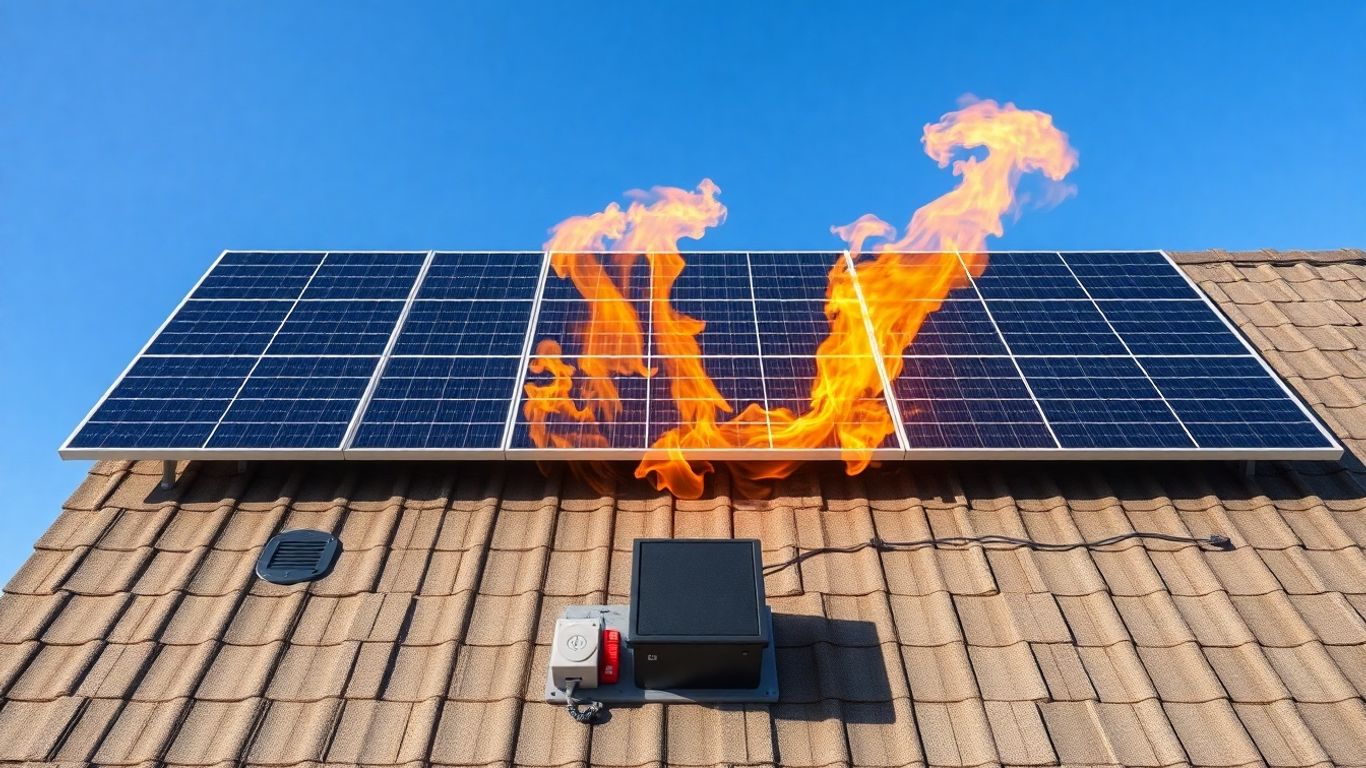
In the event of an incident, the ability to react quickly and appropriately is paramount. It is therefore essential to establish clear and effective emergency shutdown procedures for your photovoltaic installation. These protocols must be known to all potential responders, whether maintenance personnel or emergency services.
Rapid disconnection of the electrical supply is a key step to prevent electrocution risks and limit the spread of fires. It is important to know the location of emergency shutdown devices, such as main circuit breakers or specific solar panel disconnection boxes. Adequate training ensures that these actions can be performed safely.
Here are some points to consider for developing your procedures:
- Identification of disconnection points: Locate all switches and circuit breakers that cut off the power supply to the photovoltaic system, including those located at the inverter and the main electrical panel.
- Personnel training: Ensure that individuals likely to intervene on the installation are familiar with emergency shutdown procedures and are trained in their application.
- Clear signage: Emergency shutdown devices must be clearly identified and accessible.
- Regular tests: Conduct periodic emergency simulations to check the effectiveness of procedures and the responsiveness of teams. These exercises allow for testing the ability to manage various scenarios related to solar panels.
It is also recommended to have a list of emergency contacts, including technicians specialised in photovoltaic systems, to be able to request professional assistance quickly if needed. Compliance with current regulations, such as those concerning rapid shutdown devices, is an obligation to guarantee the safety of your installation and the people working on it. For more information on new regulatory provisions, consult official texts relating to risk prevention for installations subject to authorisation.
The implementation of well-defined emergency shutdown procedures and personnel training are proactive measures that can make a significant difference in the event of an incident.
10. Professional Assistance
Engaging professionals for the installation and maintenance of your photovoltaic panels is a step that guarantees the safety and longevity of your system. These experts possess the technical knowledge and experience necessary to identify and manage potential risks, whether electrical risks or risks related to height. They are trained in the latest standards and regulations in force, which ensures a compliant and secure installation. Furthermore, in the event of an incident, their rapid and qualified intervention can make a notable difference in limiting damage. Remember to declare your installation to your insurer for adequate coverage in case of a claim, such as a fire declare the installation to your insurer.
It is important to ensure that the professionals you engage have the required certifications and follow strict safety protocols. This includes the use of appropriate personal protective equipment and the establishment of clear emergency procedures. Good preparation and professional intervention can prevent many problems and guarantee the optimal performance of your solar installation in the long term.
Need help with your solar project? Our team is here to guide you. We can help you understand how to go solar and find the best solutions for you. Visit our website to learn more and get personalised advice.
Conclusion: The Safety of Your Solar Panels, an Ongoing Commitment
So, we have covered the key points together to ensure the safety of your photovoltaic installations. It’s not just about installing panels and forgetting about them. It’s a bit like maintaining a car: you need to keep an eye on it from time to time, ensure everything is properly connected, and most importantly, know the right actions to take if something goes wrong. Complying with standards, carrying out regular checks, and knowing who to call if something is amiss, that’s the foundation. Think of it this way: a well-maintained system is a system that lasts longer and protects you and your home. So, take this advice seriously, and your investment in solar energy will be not only ecological but also safe and reliable in the long term. It’s truly in your best interest.
Frequently Asked Questions
Why is it so important to follow safety rules for solar panels?
Following safety rules for solar panels is a bit like following the rules for crossing the road. It prevents accidents! If you’re not careful, there can be sparks, short circuits, or even fires. Respecting these rules protects your home, the people around you, and ensures your solar installation works well and for a long time.
What are the most common electrical dangers with solar panels?
The main danger comes from the electricity that the panels produce. Sometimes, wires can get damaged, or connections aren’t properly made. This can create sparks or overheating. That’s why it’s important to check that everything is properly connected and that the wires are in good condition.
How can you prevent a solar panel from overheating and causing a fire?
Overheating often occurs when there’s an electrical problem or if the panel is slightly damaged. To prevent it, you need to ensure that the panels are properly installed, that there’s enough air around them for cooling, and that they are checked regularly. It’s like making sure your computer has air so it doesn’t get too hot.
What protective equipment should I use when working on solar panels?
When working near solar panels, you need to protect yourself. You should wear special glasses to protect your eyes, a helmet for your head, and insulating gloves to avoid an electric shock. It’s like wearing a helmet when cycling; it prevents bumps and scrapes.
Does the installation of solar panels have to follow precise rules?
Absolutely! The installation must be carried out by professionals who are well-versed in the rules. They must fix the panels securely, ensure all cables are well protected, and that everything complies with standards. A good installation is the foundation for everything to work safely.
What should I do in an emergency with my solar panels, such as a small fire?
If there’s ever a problem, you need to know how to quickly cut off the system’s electricity. This is a procedure you should know to prevent the problem from worsening. It’s also important that firefighters know where the system is located and how to shut it down in case of a fire.
Why is it important to keep documents about the safety of my solar installation?
Keeping documents is like having a health record for your solar installation. It shows that you have followed the rules, carried out the necessary checks, and any potential repairs. This is useful if there’s ever an inspection or if you need to call a professional.
Should professionals be called for the installation and maintenance of solar panels?
Yes, it is highly recommended. Professionals know exactly how to install panels safely, how to check for dangers, and how to repair them if something goes wrong. They have the knowledge and tools necessary to ensure everything works perfectly and without risk.
