
Installing photovoltaic panels may seem like a good idea to reduce your electricity bills. But before you dive in, it’s important to know what people really think. This article explores user experiences to help you see more clearly. We’ll look at what people say about their installations, both the good and the bad, so you can make an informed decision.
Key Takeaways
- The majority of users express general satisfaction with the profitability and performance of photovoltaic panels, although negative experiences with some companies do exist.
- Consulting online review platforms and requesting detailed feedback on installation and customer service is essential for forming a reliable opinion.
- The actual performance of the installation should match estimates, and profitability depends on factors such as self-consumption and selling surplus electricity, as well as choosing a reliable installer.
- Be wary of excessively high prices, unstable companies, and complex administrative procedures, and favour certified professional support.
- Plug-and-play solar kits can be an interesting option to start with, but their advantages and disadvantages should be carefully weighed against a more comprehensive installation.
Understanding User Feedback on Photovoltaic Panels
The Importance of User Reviews for a Solar Project
Embarking on the installation of photovoltaic panels represents a significant investment. Before making a decision, it is wise to consult the feedback from people who have already taken the plunge. These testimonials offer valuable insight into the realities on the ground, beyond commercial rhetoric. User opinion is an essential compass for navigating the world of solar energy. It allows for a better understanding of the concrete benefits, as well as potential pitfalls. Ignoring this feedback risks unpleasant surprises. It is therefore pertinent to be informed about the actual performance and general satisfaction of owners who have equipped themselves.
Analysis of Frequent Positive User Feedback
The majority of user feedback regarding photovoltaic panels is generally positive. The most frequently cited strengths concern the profitability of the investment and the robustness of the equipment. Homeowners appreciate producing their own electricity, thereby reducing their dependence on traditional suppliers and saving on their bills. The efficiency of the panels, even in varying weather conditions, is also a recurring source of satisfaction. Many testimonials highlight the long-term reliability of installations, with energy production often matching initial estimates. This consistency in performance contributes to a general sense of satisfaction and confirmation of the soundness of their choice. Self-consumption, in particular, is seen as a major advantage, allowing for better control of energy consumption.
Identifying the Reasons for Recurring Negative Reviews
Despite a predominantly positive balance, some negative reviews deserve particular attention. Criticisms often relate to unfortunate experiences with unscrupulous companies, ranging from excessively high prices to installers going bankrupt shortly after installation. The progress of the works, sometimes less smooth than announced, can also generate dissatisfaction. Another point of friction concerns support with administrative procedures, where a lack of assistance from the installer can complicate the process for the customer. It has also happened that actual production did not match estimates, although this is less frequent. These points highlight the importance of choosing a certified installer and verifying their stability. A bad experience with a provider can tarnish the overall image of the technology, even if the panels themselves are efficient. It is therefore crucial to research the company’s reputation and financial stability before committing to an installation project. The impact study of a photovoltaic project is a key step in anticipating these potential problems [995d].
User experience with photovoltaic panels is strongly influenced by the quality of the installation and post-installation support. Transparent communication and rigorous support from the installer are crucial for lasting satisfaction.
Reliable Sources for Consulting Reviews on Photovoltaic Panels
Given the multitude of available information, it is essential to know where to look for reliable user feedback on photovoltaic panels. User reviews can greatly inform your decision, but their relevance depends on the source.
Using Online Review Platforms
Generalist review platforms like Google or Trustpilot are often the first port of call. They allow for the collection of a diversity of opinions on installation companies and, to a lesser extent, on the products themselves. It is important to read multiple reviews to identify a general trend, as a single experience, good or bad, does not always reflect the overall reality. Positive reviews often mention quality customer support, effective assistance with administrative procedures, and energy production that meets expectations. Conversely, negative reviews frequently point to excessive prices, poorly executed installations, or a lack of follow-up after installation.
The Importance of Installer Support
Beyond reviews of the products, the experience with the installer plays a major role. A competent professional does not just install panels; they advise, assist with procedures (such as for government aid), and provide follow-up. Testimonials highlight that overall satisfaction depends as much on the performance of the panels as on the quality of customer service. An installer who goes bankrupt shortly after installation, for example, leaves a very negative experience, even if the panels work well.
Concrete Examples of Customer Reviews
To illustrate, here are some points often raised:
- Production matching estimates: Satisfied users confirm that actual electricity production corresponds to the forecasts made before installation.
- Speed and cleanliness of the worksite: A well-executed installation, without mess and within the announced deadlines, is a guarantee of satisfaction.
- Administrative support: Assistance with grant applications or grid connection is highly appreciated.
- Excessively high prices: Some reviews warn against quotes that are clearly more expensive than the market average.
It is also relevant to consult recognised organisations that conduct tests and surveys in the sector, such as UFC-Que Choisir, which offers comparisons and advice to avoid disappointments. These sources provide a more technical and independent perspective on solar kit offers and available brands.
Evaluating the Performance and Profitability of Installations
Consistency Between Estimated and Actual Production
When considering the installation of photovoltaic panels, one of the first questions that comes to mind concerns actual production compared to what was advertised. It is important to understand that the estimates provided by installers are based on models and average climatic data. The actual performance of your installation will depend on several factors, including the exact sunlight at your site, any unforeseen shading, and even the ambient temperature, which can affect panel efficiency. A well-conducted photovoltaic impact study beforehand is therefore essential to get a precise idea of what you can expect. The advertised figures should be compared with the reality observed after a few months or a year of operation. Significant discrepancies may indicate a problem, but a slight difference is often normal. It is advisable to inquire about the calculation methods used for these estimates to better judge their reliability. For a more precise simulation, you can consult online tools or seek the advice of an independent professional who can conduct a personalised study.
Factors Influencing the Profitability of a Photovoltaic Project
The profitability of a solar installation is not solely about the amount of electricity produced. Several elements come into play. The initial cost of the installation, including panels, inverter, mounting structure, and labour, is a determining factor. Then, maintenance costs must be considered, which are generally low but not zero. The price of electricity you purchase is also a key parameter: the higher it is, the greater the savings from your production, thus accelerating the return on investment. The lifespan of the panels, often guaranteed for 25 to 30 years, ensures long-term production. Finally, available financial aid, such as grants or guaranteed feed-in tariffs, can significantly improve overall profitability. A comprehensive analysis is therefore necessary before proceeding.
Here are some key elements to consider:
- Initial investment cost: Panels, inverter, installation, grid connection.
- Electricity price: The rate at which you buy your electricity.
- Installation lifespan: Generally 25 years and more.
- Aid and subsidies: Government or local schemes.
- Panel performance: Efficiency, reliability, and warranties.
The Role of Self-Consumption and Selling Surplus Electricity
Self-consumption is the idea of directly consuming the electricity you produce. This is often the most economically attractive strategy, as it allows you to reduce your electricity bill at the full price. For example, if you consume 40% of your production, you avoid buying that same amount from your supplier. Surplus electricity is what you do not consume and can sell back to the grid. The feed-in tariff for this surplus is generally lower than the price at which you buy your electricity, but it still contributes to overall profitability. Therefore, a balance must be found between self-consumption and selling surplus. Good management of your consumption, for example by using your high-consumption appliances during production hours, can maximise benefits. Storage solutions can also play an important role in increasing your self-consumption rate. It is important to fully understand the terms of these two options before making your decision.
Pitfalls to Avoid According to User Feedback
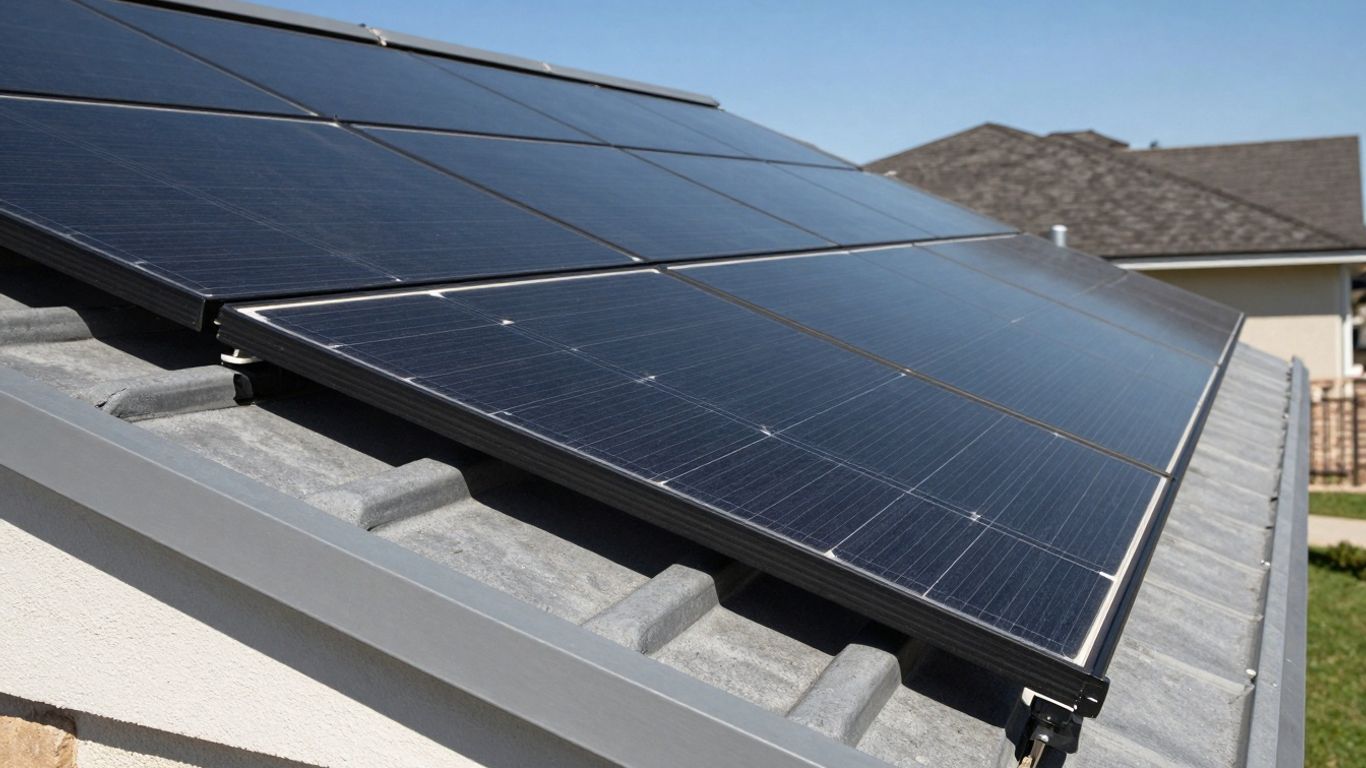
Embarking on the installation of photovoltaic panels represents a significant investment. User feedback highlights several potential pitfalls that should be known to avoid falling into the trap, so to speak. Particular vigilance is required to ensure the success of your solar project.
Beware of Excessively High Prices
It sometimes happens that certain professionals offer prices that are out of the ordinary, well above market prices. These attractive offers may hide hidden costs or poor quality materials. It is therefore essential to compare several quotes and to research the average prices charged for similar installations. Never rush into the first offer you receive. In-depth research into solar panel prices will help you identify abnormally expensive proposals.
Risks Related to Installation Company Bankruptcies
One of the most frequent negative feedback concerns companies that cease operations shortly after installation. This can pose serious problems, particularly for warranty management or in case of maintenance needs. It is advisable to research the financial stability and longevity of the company before signing a contract. Prefer installers with a good reputation and recognised experience in the field.
Need for Support with Administrative Procedures
The administrative formalities related to the installation of photovoltaic panels can be complex and time-consuming. Some users report a lack of support from their installer for these procedures. A good professional should guide you and help you prepare the necessary files for financial aid or grid connections. Ensure that this support is clearly defined in the contract.
Here are some additional points of vigilance based on customer reviews:
- Material quality: Check the origin and certifications of the panels and inverters.
- Warranties: Fully understand the duration and conditions of warranties on materials and installation.
- Contract: Carefully read all clauses before signing, especially those concerning deadlines and responsibilities.
Initial enthusiasm can sometimes mask less flattering realities. A measured approach and systematic verification of information provided by installers are your best allies in avoiding disappointment.
Tips for a Successful Photovoltaic Installation
A well-thought-out photovoltaic installation is key to lasting satisfaction and optimised profitability. Several elements must be taken into account to ensure that your solar project perfectly meets your expectations.
The Importance of an Adapted Initial Configuration
The first step is to precisely define your needs and assess your site’s potential. This involves understanding your current electricity consumption and projecting it into the future, taking into account any potential changes (electric vehicle, new appliances, etc.). An analysis of your roof (orientation, tilt, shading) is also essential to determine the number and type of panels that are most suitable. A personalised study by a professional is highly recommended to avoid unpleasant surprises and ensure energy production that meets your expectations. It is also wise to research market prices to ensure you get a competitive offer.
Consider an Evolving Installation for the Future
The solar energy sector is evolving rapidly, and your needs may change over time. It is therefore advisable to design your installation as a potentially evolving system. This means, for example, planning for the necessary space to add more panels if your consumption increases, or anticipating the possibility of integrating a storage battery later on. Such an approach offers valuable flexibility and allows you to adapt your system to future technologies without having to redo everything.
Maintain a Relationship with Your Installer After Installation
The installation of solar panels does not mark the end of the relationship with your installer. It is important to maintain a close contact for follow-up, potential maintenance, and for any questions regarding warranties or future administrative procedures. A trusted installer will offer regular follow-up and will be your primary point of contact in case of after-sales service needs. Do not hesitate to ask for feedback from previous clients to ensure the provider’s long-term reliability. Remember to check that your installer is RGE certified, a condition often necessary to benefit from available financial aid for photovoltaic installations.
Here are some key points to keep in mind for a successful installation:
- Prior information: Research the operation, costs, and potential benefits of solar energy.
- Installer selection: Prefer certified professionals with a good reputation who offer comprehensive support.
- Comparative quotes: Request several detailed quotes to compare offers in terms of equipment, services, and prices.
- Post-installation follow-up: Maintain contact with your installer to ensure the longevity of your investment.
Plug-and-Play Solar Kits: Reviews and Considerations
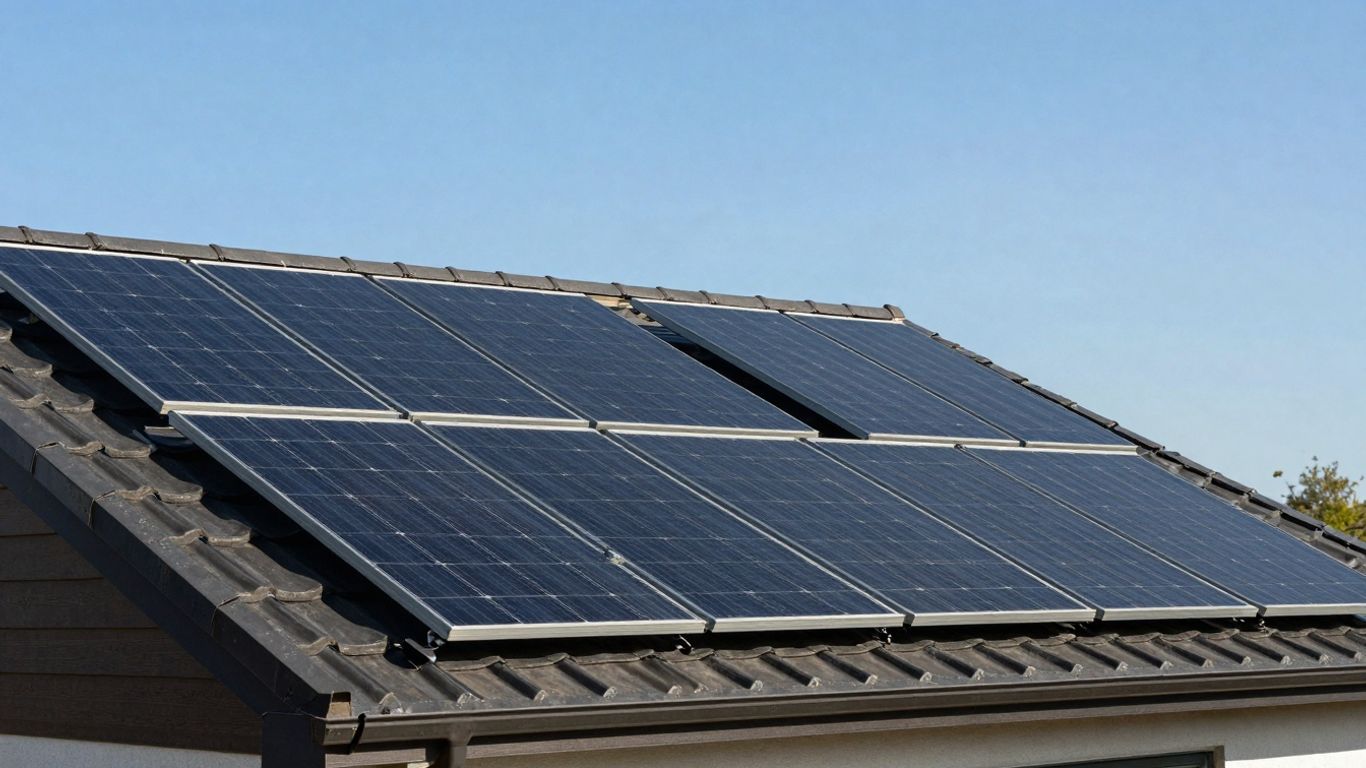
Plug-and-play solar kits, often called « plug and play, » have gained popularity. They promise a simplified entry into the world of solar energy production, without requiring advanced technical skills or complex administrative procedures. But what do users really think of these solutions? It is important to weigh the pros and cons before diving in.
Advantages and Disadvantages of Plug-and-Play Kits
These kits have undeniable appeal, particularly due to their often more affordable price than traditional installations. Ease of assembly is another strong point, allowing everyone to become an actor in their energy production. However, some points of vigilance emerge from user feedback.
- Very attractive price
- Relatively easy assembly
- Quality panels and inverters
- Satisfaction of producing « one’s own » energy
- No professional required
- Sometimes erratic communication with the supplier
- Ambiguity regarding warranty periods
- Aesthetics at the rear (cabling, ballast)
- Plug perceived as low quality
It is important to note that the advertised power in Watt-peak (Wp) does not always correspond to the actual production, which is generally lower. Expect about 75% of the peak power to estimate effective production, especially in variable sunlight conditions.
General User Satisfaction with Solar Kits
Overall, feedback on plug-and-play solar kits is rather positive. Users appreciate being able to produce their own electricity at a lower cost and without complications. Platforms like Mon Kit Solaire indeed show good ratings, indicating overall satisfaction. The simplicity of installation is often cited as a major advantage, allowing for quick implementation.
Points of Vigilance Regarding Reliability and Warranties
Despite general satisfaction, some aspects deserve particular attention. The youth of some companies offering these kits can raise questions about the longevity of support and long-term warranty management. It is therefore recommended to thoroughly research the supplier’s reputation and carefully read the general terms and conditions of sale. For example, a 1000 Wp solar kit with a battery benefits from a 10-year warranty, which is a sign of seriousness.
The technical aspect, although simplified, still requires a certain rigour. For instance, the length of the cables between the micro-inverters and the plug is often calculated very precisely, making significant spacing of the panels difficult. Similarly, the compatibility of the supports with the exact size of the panels may sometimes require adjustments. It is therefore advisable to carefully check the specifications before purchasing and to allow for some leeway if possible, particularly in terms of cable length for future relocation.
Technical and Practical Aspects of Solar Panels
Aesthetic Considerations of Photovoltaic Panels
The appearance of solar panels on a home is a legitimate concern for many homeowners. Historically, panels had a fairly standard aesthetic, often with an aluminium frame and a blue or black surface. However, manufacturers have developed solutions to better integrate these installations into buildings. Full black panels, entirely black, have become popular as they blend more discreetly onto dark roofs. There are also « building-integrated » panels that directly replace tiles or slates, offering a very clean visual finish, although their cost is generally higher. The orientation and tilt of the panels play a major role not only for energy production but also for their visibility from the ground. Good planning can minimise visual impact while optimising performance. It is advisable to discuss these aspects with your installer to find the most suitable solution for your home and your preferences.
Placement and Installation Constraints of Panels
The placement of solar panels is a crucial step for their efficiency and durability. The ideal is a surface well exposed to the sun, without shading, facing south in the northern hemisphere. However, other orientations (south-east, south-west) can remain very efficient. Installation constraints vary depending on the type of support: roof (tiles, slates, metal sheeting), facade, pergola, or even ground-mounted. Each configuration requires specific fixing systems to ensure safety and resistance to weather conditions (wind, snow). For example, a ground-mounted installation may be simpler to monitor and maintain, but it requires space and can be more exposed to the elements or accidental impacts. Regulatory constraints, such as those imposed by Architects of French Buildings (ABF) in protected areas, can also influence the choice of placement and panel type. It is therefore essential to conduct a thorough feasibility study before proceeding. The company Solar Belle Planète, for example, focuses on these technical aspects to ensure customer satisfaction [5a28].
Choosing the Number and Power of Panels
Determining the number and power of solar panels depends on several factors, including your annual electricity consumption, your budget, and the available space. The power of a panel is generally expressed in Watt-peak (Wp). A standard modern panel can have a power ranging from 400 to 500 Wp. However, actual production is often lower than the nominal power, varying according to sunlight, temperature, and orientation. To estimate the number of panels, you must first calculate the total power required. For example, if your annual consumption is 5000 kWh and you aim for 50% coverage, you will need an installation of approximately 3 kWp. Dividing this power by the unit power of the panels (e.g., 400 Wp) gives the number of modules required (3000 Wp / 400 Wp = 7.5, so 8 panels). It is often wise to plan for a few extra panels to anticipate a future increase in your needs (such as purchasing an electric vehicle) or to compensate for slight under-production. Plug-and-play kits, on the other hand, have strict limits: beyond 4 panels, professional installation is generally required for safety and compliance reasons [7b6a].
Here is a table illustrating approximate actual power according to the number of panels:
| Number of panels | Peak power (Wp) | Approximate actual power (W) |
|---|---|---|
| 1 | 400 | 300 |
| 2 | 800 | 600 |
| 3 | 1200 | 900 |
| 4 | 1600 | 1200 |
It is important to note that actual power can vary significantly depending on weather conditions and season. A personalised study by a professional remains the best approach for correctly sizing your installation.
Comparing Offers and Brands of Photovoltaic Panels
Criteria for Comparing Solar Kit Suppliers
When embarking on solar panel installation, especially if opting for DIY solutions, comparing offers becomes a key step. It’s not just about looking at the displayed price, but dissecting what each supplier actually offers. For example, you can find kits where ease of installation is highlighted, like those from Sunology, but this can translate into a higher cost per Watt-peak. Others, like BeSolar (formerly Solatek), may offer a lower price but require a bit more expertise from the user, particularly for mounting the supports. You also need to look at the origin of the panels; some highlight « French panels » as a commercial argument, even if this doesn’t always mean better performance or a lower price. Production monitoring via an app is also a point to consider; most offer a generic app, but some may provide more detailed tracking.
Recommended Brands of Panels and Inverters
The photovoltaic panel market is vast, and it’s useful to know which brands are frequently mentioned in discussions and comparisons. For panels, names like LONGi are often cited for their advanced technology and efficiency, achieving performance records. Other brands like DualSun, SunPower, JA Solar, or Solarwatt are also recognised for their reliability and value for money. It’s interesting to consult buying guides that compare these different manufacturers to get a clearer picture. For inverters, which are the brains of the installation, Huawei is often mentioned for centralised models, while Enphase stands out in the field of micro-inverters, offering a more modular and often more durable solution. Choosing the right combination of panels and inverters is essential for the long-term performance of your installation.
The Importance of Value for Money in the Choice
Ultimately, the most decisive criterion for many remains value for money. It’s about finding the right balance between the initial cost, expected performance, equipment lifespan, and the warranties offered. For example, a solar kit may seem cheaper to buy, but if its lifespan is shorter or if the warranties are limited (like the 2 years offered by Sunology in some cases, compared to 20 years for the panel and inverter with others), the investment may prove less wise in the long run. You also need to consider the future evolution of your needs. Opting for a slightly more powerful system from the start, even if it represents an additional cost, can avoid having to reinvest later, for example, if you plan to buy an electric vehicle. Therefore, the comparison of offers must be comprehensive, taking all these elements into account to make an informed and profitable choice over time. It is sometimes more relevant to turn to brands recognised for their reliability even if the purchase price is a little higher initially. Available financial aid, such as the self-consumption bonus or reduced VAT, can also influence the final value-for-money calculation, making certain configurations more attractive than others. Don’t forget to check eligibility for these aids to optimise your budget.
Financial Aid and Administrative Procedures for Photovoltaics
Existing Government Aid Schemes
Embarking on solar panel installation involves understanding the available financial aid. The government offers several schemes to encourage the adoption of solar energy. It is important to note that this aid is often conditional on compliance with certain standards and procedures. One of the main aids is the self-consumption bonus, which supports the initial investment for electricity production intended for your own consumption. This bonus is paid in a lump sum after installation. There is also a guaranteed feed-in tariff for the surplus electricity that you do not use and sell back to the grid. This system, called Obligation d’Achat (OA), ensures a stable income over a given period. For small installations, a reduced VAT rate may apply, thus lowering the total cost of your project. These measures aim to make the investment more accessible and profitable.
Eligibility Conditions for State Aid
To benefit from financial aid, several conditions must be met. The installation must be carried out by a professional certified RGE (Reconnu Garant de l’Environnement – Recognised Environmental Guarantor). This certification attests to the quality of the work and the installer’s expertise. Furthermore, the solar panels must be installed on the roof of your home. Eligibility is also linked to the use of the electricity produced: part of it must be consumed on-site (self-consumption) and the surplus must be sold. Installations intended solely for total self-consumption or those mounted on the ground are generally not eligible for this specific aid. It is therefore essential to carefully check all criteria before committing.
The Role of the RGE Certified Professional
The RGE certified professional plays a central role in your photovoltaic project. Beyond guaranteeing an installation compliant with technical and safety standards, this certification is the key to unlocking most financial aid. Without an RGE installer, you will not be eligible for the self-consumption bonus, the guaranteed feed-in tariff for surplus electricity, or the reduced VAT rate. Choosing an RGE professional also ensures that they will adhere to good environmental practices during installation. They are also often best placed to assist you with complex administrative procedures, such as grid connection requests with Enedis or municipal declarations. Do not hesitate to ask for proof of this certification during your first contact. You can find the list of certified professionals on dedicated platforms, such as the government’s. Support from such a professional is an essential step to secure your project and optimise your solar investment.
Expert Opinions on Solar Energy
Professionals in the solar sector, whether from consumer organisations, environmental associations, or specialised companies, offer a perspective that is often more nuanced than direct user feedback. Their analysis is based on technical data, market studies, and in-depth surveys.
Promises and Realities of Solar Electricity Production
Experts agree that photovoltaics is a mature and reliable technology capable of generating substantial savings. However, they caution against overly optimistic profitability promises. The actual performance of an installation depends on numerous factors, such as local sunlight, panel orientation and tilt, the quality of the installed equipment, and above all, how the electricity produced is consumed or resold.
It is essential to distinguish potential gains from figures sometimes put forward by unscrupulous sellers. For example, €1 offers are often scams and do not benefit from any state support [7f64]. Experts recommend a pragmatic approach, based on realistic simulations.
Advice and Surveys from Recognised Organisations
Organisations like UFC-Que Choisir regularly publish surveys and comparisons on solar panels and plug-and-play kits. They highlight the importance of choosing your installer carefully, verifying their certification and financial stability. Advice often focuses on:
- Adapting your electricity consumption to solar production hours.
- Understanding the different remuneration mechanisms (self-consumption, surplus sales).
- Assessing the relevance of a storage battery based on your consumption profile.
These organisations emphasise that self-consumption is the most advantageous model, but it requires good consumption management [9dcf].
Comparative Tests of Solar Stations
Tests conducted by experts aim to evaluate the performance, reliability, and ease of installation of the various equipment available on the market. They compare, in particular, brands of panels and inverters, focusing on criteria such as efficiency, durability, warranties offered, and value for money. Brands like DualSun and SunPower are often recommended for their good value for money, as are Huawei and Enphase for inverters [web_pages].
Expert opinion is a valuable guide to avoid pitfalls. It allows for a critical look at commercial offers and ensures that the photovoltaic project will truly meet expectations in terms of savings and environmental contribution.
Experts are unanimous: solar energy is a solution for the future. They highlight its incredible potential to reduce our bills and help the planet. Want to learn more about how the sun can brighten your daily life and your wallet? Visit our website to discover how we can help you make the leap to cleaner, more economical energy. Don’t wait any longer to explore the benefits of solar energy!
In Brief: The Verdict on Photovoltaic Panel Users
In conclusion, the general user opinion on photovoltaic panels leans towards the positive. Many highlight the savings made on their electricity bills and the satisfaction of producing their own energy. However, it is clear that the choice of installer plays a major role in the overall experience. Negative feedback is often linked to poorly managed installations, unfulfilled promises, or unreliable companies. It is therefore essential to be well-informed, compare offers, and favour recognised professionals to ensure a profitable project without unpleasant surprises. Investing in solar is a step that requires preparation, but it can prove very beneficial in the long term.
Frequently Asked Questions
What are the main advantages of photovoltaic panels according to users?
Most people who have installed solar panels are happy. They particularly appreciate saving money on their electricity bills and producing their own energy. Many find that the panels work well and last a long time.
What are the most common problems encountered with photovoltaic panels?
Negative reviews often mention excessively high installation prices, companies going bankrupt shortly after, or a lack of help with administrative procedures. Sometimes, installations do not go as planned.
Where can I find reliable reviews on solar panels?
It is advisable to look at online review platforms like Google or Trustpilot. It is also useful to read detailed feedback on companies and their service, not just on the panels themselves.
Is installing solar panels really profitable?
Yes, it is generally considered a good investment. Profitability depends on how the electricity produced is used (self-consumption) and the sale of surplus. On average, you can recoup your investment in about a dozen years.
What is a ‘plug and play’ solar kit and what are the reviews like?
A ‘plug and play’ solar kit is a simple system to install, which plugs into a normal electrical socket. Users are often satisfied because it is cheaper and easy to set up, although there are sometimes doubts about long-term reliability or warranties.
What criteria should I consider when comparing solar panel brands?
You should look at the price, panel power, build quality, warranties offered, and brand reputation. Brands like DualSun, SunPower, and DMEGC are often recommended for their good value for money.
What financial aid is available for installing photovoltaic panels?
There is aid such as a self-consumption bonus, a reduced VAT rate for small installations, and the possibility of selling surplus electricity at a fixed rate. You often need to go through an RGE certified professional to benefit from them.
What advice would you give for a successful solar installation?
It is important to be well-informed before starting, to choose a configuration adapted to your needs, and to consider an installation that can evolve later. Maintaining good contact with your installer after installation is also a good idea.
