
Faced with rising energy costs, more and more households are considering installing solar panels for their homes. It’s a worthwhile step to reduce bills, but it’s essential to fully understand the associated costs. This article looks at the price of solar panels per m² to give you a precise idea of what a square metre of photovoltaic technology represents in 2026.
Key takeaways
- The average cost of a square metre of photovoltaic solar panel is generally between 200 and 300 euros, excluding installation.
- Several factors influence the final price: the type of panel (monocrystalline, polycrystalline), its power, its size, and the quality of the cells.
- The complete installation of a photovoltaic system includes the cost of the modules, but also that of the inverter, the mounting system, the cables, and site costs.
- Ancillary expenses such as the Consuel certificate, maintenance, and potential repairs must be taken into account in the overall budget.
- Photovoltaic tiles, although aesthetically pleasing, have a higher cost per square metre than traditional solar panels, ranging from 400 to 1000 euros excluding installation.
Understanding the price per square metre of photovoltaic solar panels
When considering the installation of solar panels, one question often arises: what is the cost per square metre? This is a legitimate question, as the surface area to be covered is a determining factor in the overall budget. It is important to know that the price per square metre is not a fixed figure and can vary considerably. Several elements come into play in determining this rate.
Estimating the average cost per square metre
To give you an idea, the average cost of a photovoltaic solar panel is generally between 200 and 300 euros per square metre. Please note that this figure concerns the material alone, excluding installation. Thermal solar panels, which are used to heat water, can be slightly more expensive, often between 200 and 400 euros per square metre, again excluding installation.
Factors influencing the price of solar panels
Several elements will affect prices: the size of the panels, of course, but also their technology. We find monocrystalline panels, polycrystalline panels, and even solar tiles which have a higher cost per square metre, sometimes between 400 and 1000 euros. The power of the panel is also an important criterion. The more powerful a panel is, the more expensive it will be, but it will also produce more electricity.
Differences between thermal and photovoltaic panels
It is essential to distinguish between the two types. Photovoltaic panels convert sunlight into electricity. Thermal panels use the sun’s heat to heat water. As their technologies and applications are different, so are their costs per square metre. Solar tiles, which are integrated directly into the roof, represent another alternative with a specific pricing structure.
It is always recommended to request several personalised quotes to get a clear picture of the real cost of your project, taking into account the area to be equipped and the chosen technology.
Analysis of photovoltaic solar panel costs
Price of monocrystalline and polycrystalline panels
When discussing the cost of photovoltaic solar panels, it is essential to distinguish between the two main technologies: monocrystalline and polycrystalline panels. Although their function is identical, their manufacturing and, consequently, their price differ.
Monocrystalline panels, recognisable by their uniform black colour and cells with cut corners, are made from a single silicon crystal. This process gives them better efficiency and a longer lifespan, but results in a higher purchase cost. They are often preferred for installations where space is limited, as they produce more energy per square metre.
Polycrystalline panels, on the other hand, have a speckled blue colour and square cells. Their manufacturing is simpler, involving the fusion of several silicon fragments. This method makes them more affordable, making them a popular choice for projects where budget is a determining factor and where space is more generous. The choice between these two types of panels will therefore have a direct impact on the overall budget of your installation.
Impact of power on panel cost
The power of a solar panel, measured in Watts-peak (Wp), is another determining factor of its price. The more powerful a panel is, the more electricity it can produce, and the higher its cost generally is. It is therefore more relevant to think in terms of cost per Watt-peak (€/Wp) rather than cost per square metre, as the revenue generated by the installation is directly proportional to its total power.
For example, a 6 kWp installation will not cost the same as a 9 kWp installation. Professional quotes are often based on this measurement. To give you an idea, here are cost estimates for different installation powers in 2025:
| Installation power | Estimated cost (excluding installation) | Estimated cost (including installation) |
|---|---|---|
| 6 kWp | €12,500 – €16,000 | €15,500 – €19,500 |
| 9 kWp | €17,500 – €22,000 | €20,500 – €24,500 |
It is important to note that these figures are indicative and may vary depending on brands, technologies used, and the specifics of each project. A personalised study is always recommended.
Cost of self-consumption installations
Self-consumption, which involves consuming your own solar electricity production, has become a very attractive option. The cost of such an installation depends on several factors, including the type of panels chosen (monocrystalline or polycrystalline), their power, and their manufacturing origin. It is difficult to give a precise price range without knowing the nominal power of the desired plant. The price for a 3 kWp, 6 kWp or 9 kWp installation will not be the same.
It is also possible to finance your installation through a lease with an option to buy (LOA). In this case, the price will depend on the power of the plant and the complexity of the installation. To obtain a precise budget tailored to your situation, it is advisable to have a free solar assessment carried out by a specialised company. This will provide you with a detailed quote including the panels, other necessary components, and installation costs. Good planning is key to ensuring the profitability of your solar project. For an in-depth technical evaluation, it is advisable to consult the technical aspects of a project.
The cost of a self-consumption photovoltaic installation varies. You need to look at the type of panels, their power, and how they are manufactured. You can also rent them with an option to buy them later. To know how much it will cost, it’s best to ask for a quote from professionals who will look at your house and your needs.
Assessment of costs related to solar installation
Average cost of installation and fitting
The overall cost of a photovoltaic solar installation is not limited to the price of the panels themselves. The cost of all the services required for its implementation must be taken into account. As a general rule, a professional installer’s quote includes several essential cost items.
- Materials: This includes photovoltaic modules, but also the inverter (or micro-inverters), mounting systems suitable for your roof, as well as the necessary cabling and electrical protection.
- Installation: This refers to qualified labour to install the entire system in compliance with safety standards and best practices.
- Administrative procedures: The installer often handles the connection to the electricity grid and any necessary declarations to the competent authorities.
It is important to note that the price can vary significantly depending on the complexity of the site and the chosen technology. For example, a superimposed installation (panels placed on the existing roof) will generally be less expensive than an integrated-to-building installation (panels replacing the roof covering).
Prices according to installation power (kWp)
The power of your installation, expressed in kilowatt-peak (kWp), is a determining factor in the total cost. The higher the power, the greater the number of panels required, and therefore the overall price. However, the cost per kilowatt-peak tends to decrease as the total power of the installation increases. This is known as price degression. To give you an idea, a 3 kWp installation can cost between €7,500 and €12,000 including VAT, while a 9 kWp installation can range from €17,500 to €22,000 including VAT. These figures generally include installation and administrative procedures, but it is always best to request a detailed quote. Promotional offers may also be available, such as a 3 kWp installation for €2,999 including VAT until 1 January 2026 [1bcb].
Taking into account administrative and connection costs
Beyond the materials and installation, certain ancillary costs must be anticipated. Connection to the electricity grid is a mandatory step to inject surplus electricity produced or to be supplied when production is insufficient. The cost of this connection can vary depending on the complexity of the work and the distance to the nearest connection point. Furthermore, a certificate of conformity, such as the Consuel, is often required to attest to the safety of the installation. Although this certificate is frequently included in the overall quote by the installer, it represents a cost which, if billed separately, could be added to the final bill. It is therefore wise to check this point when comparing different commercial offers.
It is essential to clearly distinguish the cost of solar modules from the total cost of the installation. The latter includes labour, mounting systems, inverter, cabling, electrical protection, as well as administrative procedures and grid connection. A thorough analysis of each expense item will allow for a precise estimate and avoid unpleasant surprises.
Factors determining the overall cost of a photovoltaic installation
Several elements come into play when estimating the total cost of a photovoltaic solar installation. It is not just about the price of the panels themselves, but a set of components and services that contribute to the final budget. Understanding these different cost items provides a clearer picture and allows for better anticipation of the necessary investment.
Influence of panel size and power
The surface area of the panels, although often mentioned, is not the sole criterion determining the price. It is primarily the peak power, expressed in kilowatt-peak (kWp), that influences the cost. Generally, the higher the total power of the installation, the lower the cost per Watt-peak (Wp) tends to be. For example, a 9 kWp installation will be more advantageous in terms of price per unit of power than a 3 kWp installation. It is therefore more relevant to consider power rather than surface area when evaluating the cost of an installation.
Importance of cell quality and technology
The technology of the photovoltaic cells used in the panels has a direct impact on their performance and, consequently, on their price. Monocrystalline panels, for example, generally offer better efficiency and a longer lifespan than polycrystalline panels, but they are also more expensive to produce. More advanced technologies, such as high-efficiency cells (sometimes reaching 22%) or those incorporating specific treatments (anti-reflective, for example), can also increase the bill. The choice between these different options will depend on your priorities: maximum performance, budget, or space constraints.
Additional cost of energy storage systems
Adding a storage system, such as a battery, represents a significant additional cost. These batteries store electricity produced during the day for use in the evening or during periods of low sunlight, thereby increasing self-consumption. The price of a battery varies depending on its capacity (expressed in kWh) and its technology. The replacement of the inverter, generally every 10 to 15 years, must also be anticipated, with a cost of approximately 1,000 to 2,000 euros. The integration of these elements must be taken into account in the overall budget of the solar installation.
Here is an overview of the average costs for different powers of superimposed roof installations (including installation and procedures, excluding grants):
| Power | VAT inclusive price range |
|---|---|
| 3 kWp | €6,500 to €8,000 |
| 6 kWp | €12,000 to €13,500 |
| 9 kWp | €16,000 to €17,500 |
It is important to note that these prices can vary by region, with costs sometimes higher in northern France. Furthermore, ancillary work such as roof renovation or strengthening of the framework is generally not included in these estimates. For larger projects, such as car park canopies or ground-mounted arrays, the costs per Wp may differ, often lower for very large installations. Do not forget to consider grid connection costs, which can be estimated using online tools but require an official quote for precise evaluation. Estimating Enedis costs is a key step.
Cost of different solar panel technologies
Price of photovoltaic solar panels per m²
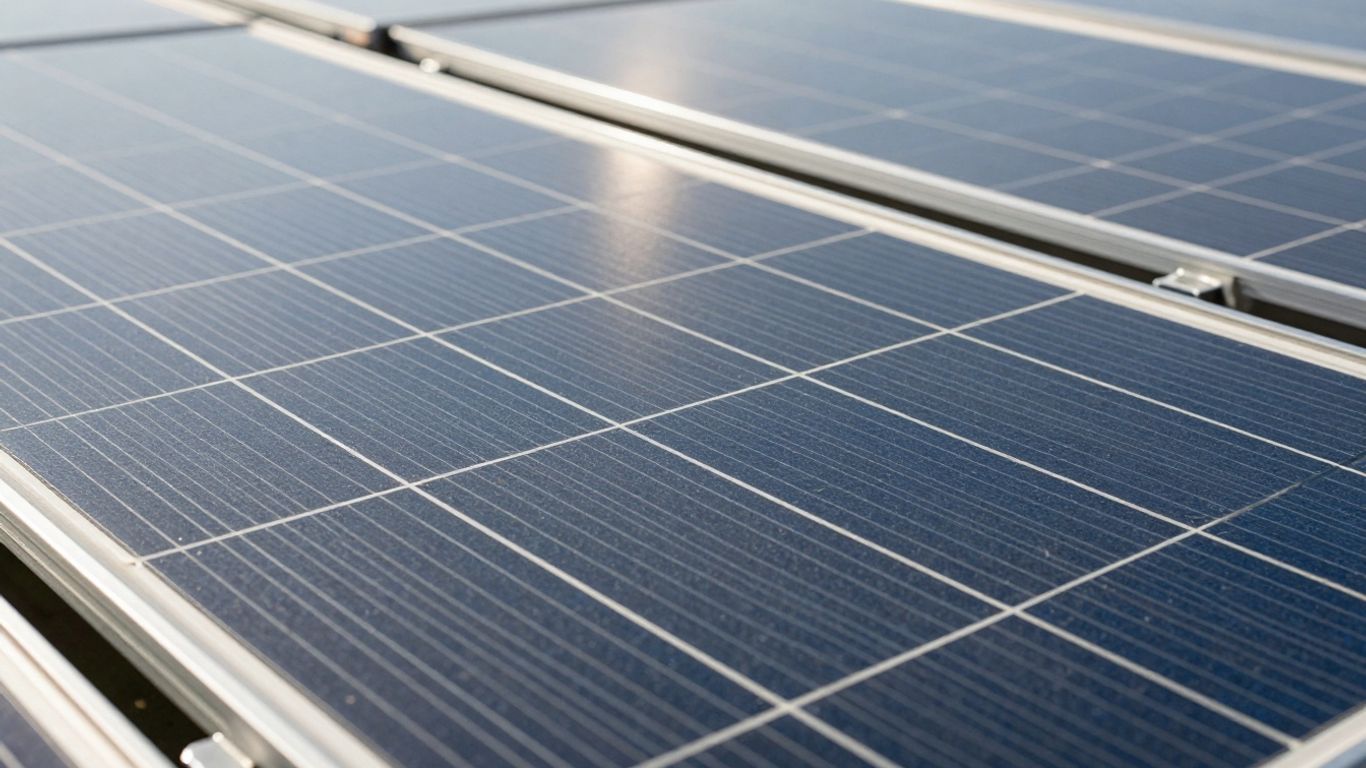
The cost of photovoltaic solar panels, which produce electricity, is generally between 200 and 300 euros per square metre, excluding installation. This price varies depending on the quality of the cells used, whether they are monocrystalline or polycrystalline, and the total power of the installation. Monocrystalline panels, often more efficient, may have a slightly higher price. It is important to note that the price of modules has fallen significantly in recent years, making photovoltaics more accessible. Price trends in 2023 and 2024 show a tendency towards stabilisation, or even a slight decrease, which is good news for future projects. Technological advances continue to improve efficiency, which can influence the cost per square metre, but economies of scale on solar panel orders tend to offset this.
Pricing of photovoltaic tiles
Photovoltaic tiles are an aesthetic alternative to traditional panels, integrating directly into the roof. Their cost is generally higher, often ranging from 300 to 400 euros per square metre, again excluding installation. This additional cost is due to the complexity of manufacturing and the discreet integration of solar technology into each tile. Although more expensive to purchase, they offer an undeniable aesthetic advantage, particularly for listed buildings or individual homes where appearance is a priority. The price can vary depending on the tile material (slate, terracotta) and the photovoltaic technology incorporated.
Comparison of costs between solar panels and tiles
To make an informed choice, it is useful to compare the two options directly. Standard photovoltaic solar panels offer a better performance/price ratio for electricity production. They are easier to install and replace if necessary. Solar tiles, on the other hand, excel in aesthetics and can be an interesting solution if visual integration is paramount. However, their higher initial cost and potentially more complex maintenance must be taken into account. It should also be noted that the price of solar energy tends to fall, making both options increasingly competitive compared to fossil fuels. Market developments, particularly with support policies for solar energy, continue to make these technologies more attractive.
Here is a simplified comparison table:
| Technology | Average cost per m² (excluding installation) | Main advantages | Main disadvantages |
|---|---|---|---|
| Photovoltaic panels | €200 – €300 | Better performance/price ratio, easy installation | Less integrated aesthetics |
| Photovoltaic tiles | €300 – €400 | Neat aesthetics, perfect integration | Higher initial cost, more complex maintenance |
The choice between panels and solar tiles will therefore depend on your priorities: budget, pure performance, or architectural integration. It is always recommended to request several personalised quotes to assess the exact cost of your project.
Financial considerations for solar panel installation
Impact of VAT on the total cost
Value Added Tax (VAT) represents a significant portion of the total cost of your solar installation. For systems with a power of 3 kWp or less, you can benefit from a reduced rate of 10%. This is a valuable aid that significantly reduces the initial budget. However, if your project exceeds this power, the applicable VAT rate reverts to the normal rate of 20%. It is therefore important to carefully assess the power needed for your consumption in order to optimise this expense item.
Financing options: lease with option to buy
For those who wish to install solar panels without bearing the full initial purchase cost, leasing with an option to buy (LOA) is a solution to consider. This financial model allows for the gradual acquisition of the equipment. The price of solar panels under LOA will depend on the power of your plant and the complexity of the installation. It is an interesting alternative for smoothing out expenses over time.
Benefiting from available grants and subsidies
The government and certain local authorities offer various financial aids to encourage the adoption of solar energy. These schemes aim to reduce the investment amount and accelerate the profitability of your project. These can include self-consumption bonuses, local aid, or advantageous tax schemes. Finding out about available subsidies is a key step in reducing the overall cost. For example, for installations integrated into buildings, specific regulatory conditions apply, influencing eligibility for certain preferential rates see regulatory conditions.
- State aid: Various grants can be deducted from the total cost.
- Local aid: Enquire with your local council or department.
- Tax credits: Tax schemes can reduce your tax burden.
It is often difficult to give an exact price without a personalised study. Installers’ quotes should be examined carefully, particularly the cost per Watt-peak (€/Wp), which tends to decrease as the power of the installation increases.
Ancillary and maintenance costs for solar installations
Beyond the initial investment for the purchase and installation of solar panels, it is important to consider the expenses that arise after installation. These costs, although often less significant, contribute to the total cost of ownership of a photovoltaic installation in the long term.
Price of the Consuel certificate for commissioning
When a photovoltaic installation is completed, it must be certified as compliant with current standards. This is the role of the Consuel (National Committee for the Safety of Electricity Users). In the majority of cases, this certificate is included in the installer’s quote and therefore does not represent an additional direct cost for the individual. However, it is good to confirm this with your provider.
Annual cost of maintenance and cleaning
Regular maintenance of solar panels is recommended to maintain their optimal performance and extend their lifespan. Simple cleaning may be sufficient in many cases. The average cost for professional cleaning of a residential installation is generally between 150 and 300 euros per year. For larger installations, such as those for businesses, this cost can increase, sometimes reaching 500 to 2000 euros annually, depending on the size and specific needs. It is possible to find providers for solar panel cleaning at competitive prices.
Estimate of potential repair costs
Although solar panels are designed to be robust and durable, repairs may be necessary over time. Inverter failures, for example, require replacement every 10 to 15 years, with an average cost of around 1000 to 2000 euros. Other, more occasional repairs may occur due to bad weather or damage. It is difficult to give a precise figure for these unforeseen costs, but it is wise to set aside a small reserve for potential breakdowns.
It is always wise to check the warranties offered by the installer and the panel manufacturer. A good warranty can cover a significant portion of repair costs for manufacturing defects or premature failures.
Regional and temporal variations in solar panel prices
Influence of geographical location on prices
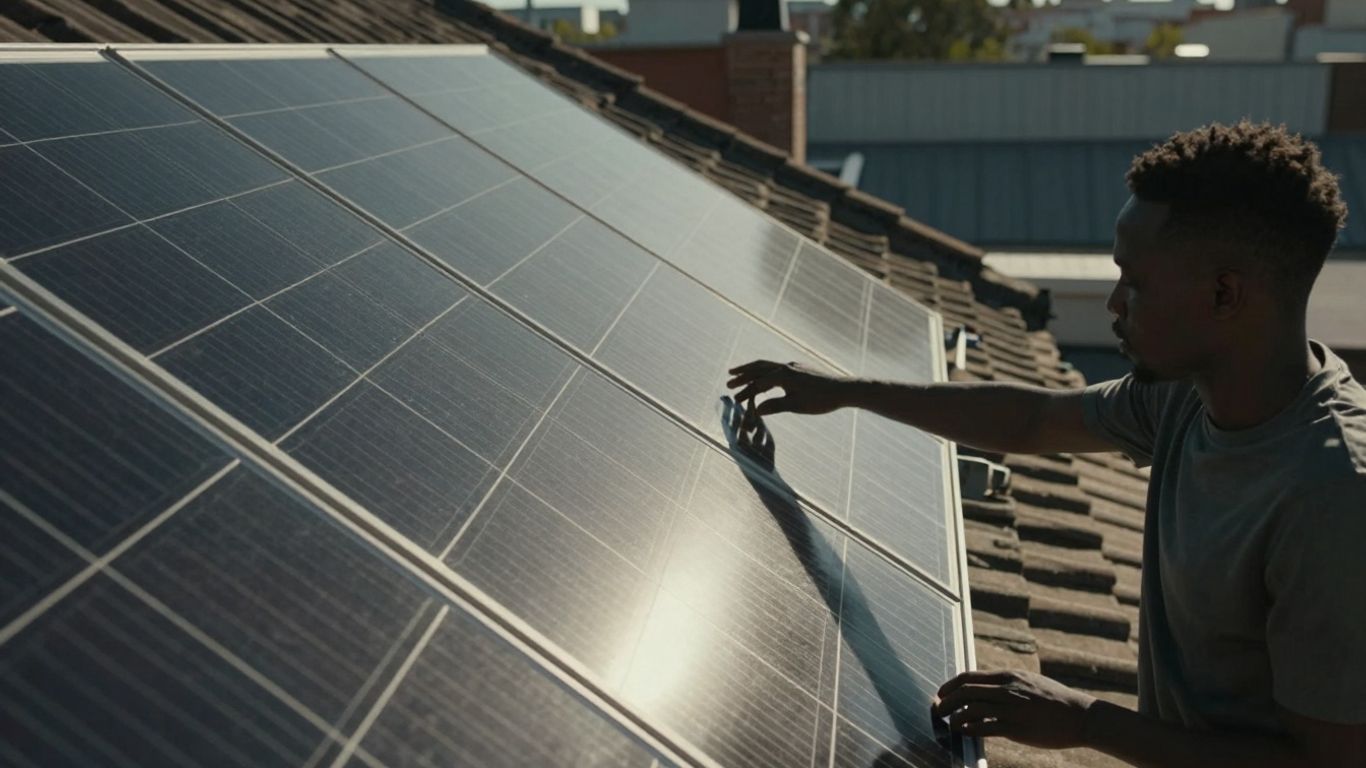
The cost of a solar installation is not uniform across the country. There are notable differences from one region to another. For example, regions in northern France can sometimes have prices up to 30% higher than in other areas. This variation is explained by several factors, including local labour costs, the availability of qualified installers, and sometimes even logistical conditions for transporting materials. It is therefore advisable to request several quotes from installers based in your region to obtain an accurate estimate.
Price trends observed in 2023 and 2024
In recent years, the solar panel market has experienced some volatility. In 2023, prices may have been influenced by supply chain tensions for certain components and growing demand. Average prices for superimposed roof installations, including installation and administrative procedures but excluding grants, ranged, for example, between €2.0 and €2.5 including VAT per Watt-peak (Wp) for installations of 3 to 9 kWp. In 2024, there is a trend towards stabilisation, or even a slight decrease in certain segments, thanks to better availability of materials and increased competition between manufacturers and installers.
Anticipating price trends for 2026
For 2026, several factors could impact prices. On the one hand, technological advancements continue to improve panel efficiency, which could eventually reduce the cost per Watt-peak. On the other hand, government policies, installation grants, and demand trends will play a decisive role. Prices are likely to remain generally stable, with possible adjustments depending on innovations and global market conditions. It is always wise to inquire about available grants at the time of your project, as they can significantly reduce the final cost.
Analysing past and present costs helps to better anticipate future expenses. However, the solar energy market is dynamic. Fluctuations are normal and depend on many economic and technological factors. Vigilant monitoring and personalised quotes remain the best approaches for a successful solar project.
Components of the cost of a photovoltaic installation
When considering the installation of photovoltaic solar panels, it is important to understand that the total cost is not limited to the purchase of the modules. Several elements come into play to form the overall budget of such a project. A clear understanding of these components allows for better assessment of quotes and more accurate anticipation of the investment.
Price of materials: modules, inverters, and mounting systems
The heart of the installation, of course, are the solar panels themselves. Their price varies depending on their technology, efficiency, and brand. But do not forget the other essential material elements. The inverter, which converts the direct current produced by the panels into alternating current usable by your home, represents a significant cost. Its lifespan is generally estimated at around ten years, so its replacement must be anticipated. The mounting system, whether it is rails for roof installation or a structure for ground installation, is also a component of the cost. The price of materials is therefore a sum of several items, not a simple cost per square metre.
Costs related to electrical connections and protection devices
Beyond the panels and the inverter, a photovoltaic installation requires a set of cables to connect the different components together (DC connections) and to connect the installation to the domestic electrical grid (AC connections). These cables, cable trays, junction boxes, and disconnectors have a cost. Furthermore, safety is paramount. Protection devices such as earthing, surge protectors to protect against overvoltages, as well as circuit breakers and residual current devices are mandatory. These elements ensure the safety of the installation and people, and their cost must be included in the total budget. It should be noted that for high-power installations, additional costs such as a transformer or the construction of a technical room may be added.
Site costs: installation, lifting, and safety
The physical installation of solar panels on your roof or on a ground structure involves site costs. This includes qualified labour for installation, but also the means necessary to access the installation areas, such as scaffolding or lifting equipment. Site safety for workers and the neighbourhood is also a priority. Finally, site cleaning after work is an integral part of these costs. For large-scale installations, such as ground-mounted solar farms, these site costs may include more significant civil engineering work, such as the creation of access roads, fencing, or the installation of video surveillance systems. It is often advisable to compare installers’ offers to ensure you get a fair price for these services. For example, the average cost of a 3 kWp superimposed roof installation, including installation and procedures, was between €6,500 and €8,000 including VAT in 2024. For a 9 kWp installation, the budget could range from €16,000 to €17,500 including VAT.
Comparative analysis of costs by type of installation
Price of superimposed roof installations
Superimposed installations, which involve placing solar panels directly on the existing roof, are a common solution. For a 9 kWp installation, the average cost observed in 2023, including installation and administrative procedures but excluding grants, ranged between €16,000 and €17,500 including VAT. The price per Watt-peak (Wp) is degressive with the total power of the installation. For example, for systems under 3 kWp, the cost can range from €2.5 to €3.0 including VAT/Wp, while for installations from 9 to 36 kWp, it drops to €1.2 to €1.7 excluding VAT/Wp. It is important to note that these prices do not include roof renovation work or specific technological options such as bi-facial modules or micro-inverters. Costs can also vary regionally, sometimes being up to 30% higher in northern France.
Cost of photovoltaic car park canopies
Car park canopies offer a dual function: protection of vehicles and solar energy production. The costs for this type of installation are generally higher than for roofs due to the specific structure required. For powers ranging from 100 to 500 kWp, the cost is between €1.3 and €1.6 excluding VAT/Wp. For installations over 500 kWp, this rate can drop to between €0.9 and €1.3 excluding VAT/Wp. Factors such as site preparation, anchoring type (ballasting or anchoring), and landscaping can influence the final budget. Soil studies become a more significant component of the initial cost here.
Pricing of ground-mounted solar farms
Ground-mounted solar farms, often large-scale, benefit from economies of scale that make the cost per Watt-peak more advantageous. For powers ranging from 300 kWp to 1 MWp, the price is between €1.0 and €1.3 excluding VAT/Wp. For larger installations, from 1 to 10 MWp, the cost decreases to between €0.8 and €1 excluding VAT/Wp. Very large farms, exceeding 10 MWp, can achieve rates below €0.8 excluding VAT/Wp. However, these installations involve higher development costs, potentially including clearing, environmental impact studies (ranging from €25,000 to €40,000), and more in-depth hydrogeological or soil studies. Grid connection can also represent a significant part of the total budget, generally ranging from 0 to 25% of the investment, with an average of around 10%. It is therefore essential to carefully assess profitability by considering all these aspects, particularly the self-consumption rate potential if some of the energy is consumed on-site.
It is important to think in terms of cost per Watt-peak (€/Wp) rather than surface area, as revenue and production are directly proportional to the installed power. The higher the total power of the installation, the lower the unit cost tends to be.
Comparing the prices of different installations is important for making the right choice. Each type of project has its advantages and costs. To help you see more clearly, we have prepared a detailed analysis. Discover how each option compares in terms of budget. To learn more and get a personalised estimate, visit our website today!
In summary: the cost per m² of solar panels in 2026
So, we’ve covered the topic of the price per square metre for solar panels in 2026. As we’ve seen, it’s quite variable and depends on many things. Between the type of panel, its power, and even the installer you choose, the budget can vary. Don’t forget to also look at available grants and VAT, as these can change things. The simplest approach is really to ask for precise quotes for your situation. This will give you a clear idea of the investment needed to switch to solar.
Frequently Asked Questions
What is the average price for a square metre of photovoltaic solar panels?
The average cost for a square metre of photovoltaic solar panels is generally between 200 and 300 euros. It is important to note that this price only covers the panels themselves, excluding installation costs.
What factors influence the price of solar panels?
Several factors affect the price. The size of the panel, its power, and the type of technology used (such as monocrystalline or polycrystalline) play an important role. The quality of materials and the brand can also vary the cost.
What is the price difference between thermal and photovoltaic solar panels?
Thermal solar panels, which produce hot water, are often more expensive than photovoltaic panels which produce electricity. For thermal panels, expect between 200 and 400 euros per square metre, excluding installation, which is higher than for photovoltaic panels.
What is the approximate cost of a solar installation for a house?
The price of a solar installation depends on its power. For example, a 3 kWp installation costs on average between 6,500 and 8,000 euros. For a 6 kWp installation, the budget is more likely to be between 12,000 and 13,500 euros, including installation and procedures.
Should additional costs be considered for the installation?
Yes, in addition to the cost of the panels and their installation, other expenses must be considered. Connection to the electricity grid, the Consuel certificate (mandatory for commissioning), and possibly insurance are costs to anticipate.
Are there any financial aids for installing solar panels?
Absolutely. You can benefit from state aid, such as a reduced VAT rate (5.5% or 10% depending on the case). Schemes such as leasing with an option to buy (LOA) can also facilitate access to these installations.
What is the cost of maintaining solar panels?
Regular maintenance is recommended to ensure the performance of the panels. Simple cleaning can cost around 10 euros per square metre. However, more significant repairs can cost more, starting from 2,000 euros.
Do solar panel prices vary by region?
Yes, prices can change from one region to another. In some areas, particularly in northern France, installation costs can be up to 30% higher than elsewhere due to local specificities or different labour costs.
