Installing solar panels at home or on a farm building is a decision that appeals to more and more people. However, the risk of solar panel fires should not be taken lightly. The causes can be numerous: installation defects, component aging, or non-compliance with standards. Before embarking on the solar adventure, it is therefore important to be well-informed about best practices, legal obligations, and actions to take in case of a problem. Here’s what you need to know to limit risks and protect your installation.
Key Takeaways
- An installation defect or aging component can cause a solar panel fire.
- Compliance with electrical standards (NF C15-100, NF C14-100, UTE C15-712-1 guide) is essential for safety.
- Using an RGE Quali’PV certified installer significantly reduces the risk of incidents.
- Annual maintenance helps identify anomalies before they cause a problem.
- In case of fire, evacuate the premises, cut the electricity if possible, and contact emergency services immediately.
Understanding the Causes of Solar Panel Fires
Electrical Defects as the Origin of Fires
It is important to understand that solar panels themselves are generally not the direct cause of a fire. They are designed to be fire-resistant. However, a photovoltaic installation can have failures that can lead to a fire. Electrical defects are a common cause. This can include poorly crimped or damaged cables, loose connections in junction boxes, or defects in the internal wiring of the panels. These problems can create electrical arcs, which generate intense heat and can ignite surrounding materials. A faulty electrical installation is therefore a major risk.
The Impact of Installation Defects on Safety
The way solar panels are installed plays a crucial role in the safety of the entire system. Poor installation can have serious consequences. For example, inadequate spacing between the panels and the roof can prevent proper ventilation, leading to overheating. Furthermore, poor crimping of connectors, as mentioned earlier, can cause electrical arcs. It is therefore essential to ensure that the installer strictly follows the assembly instructions and uses the appropriate tools. A non-compliant installation can turn a clean energy system into a potential hazard. It is advisable to check that your installer is indeed Quali PV certified.
The Role of Component Aging in Fire Risks
Over time, the components of a solar installation can degrade. The aging of cables, connectors, and even the panels themselves can lead to failures. Exposure to weather, temperature variations, and UV rays can weaken materials. For example, a cracked cable sheath can expose conductors, increasing the risk of a short circuit. Similarly, junction boxes, which protect the electrical connections at the back of the panels, can deteriorate over time, making the connections less secure. Regular maintenance helps detect these signs of aging before they become dangerous.
Risks Associated with Overheating of Photovoltaic Panels
Solar panels produce electricity by absorbing sunlight, and this process generates heat. Under normal operation, the temperature of a panel can reach between 50°C and 80°C. If the installation is not properly designed or if ventilation is insufficient, this heat can accumulate. In extreme cases, overheating can damage the internal components of the panel or, more seriously, transfer heat to the house’s structure, increasing the risk of ignition. Ensuring good airflow around the panels is therefore an important preventive measure against overheating.
Essential Safety Standards for Solar Installation
Essential Safety Standards for Solar Installation
Installing solar panels is more than just an ecological step; it’s also about ensuring the installation complies with strict safety regulations. These standards are not there to complicate things, but rather to prevent accidents and ensure the longevity of your system. Ignoring these regulations can have serious consequences, both in terms of safety and legality.
Complying with NF C15-100 Standard for Electrical Installations
The NF C15-100 standard is the reference for all electrical installations in France, including those incorporating solar panels. It defines the rules to be followed to ensure the safety of people and property against electrical hazards. For a solar installation, this includes in particular:
- Earthing: This is crucial for dissipating surges and preventing electric shocks. A well-designed earthing system protects both users and equipment.
- Differential protection: The installation of residual current devices (circuit breakers) cuts off the power in case of a fault, thereby limiting the risks of fire or electrocution.
- Cable sizing: Using cables of the appropriate cross-section is essential to prevent overheating, a common cause of fires.
- Overcurrent protection: Fuses or circuit breakers must be installed to protect the circuit against overloads.
Compliance with this standard is a guarantee against electrical risks and ensures your installation meets basic safety requirements.
The Importance of NF C14-100 Standard for Grid Connection
When your solar installation is connected to the public electricity grid, the NF C14-100 standard comes into play. It specifically concerns the connection of subscriber electrical installations to the electricity distribution network. For solar panels, this means that the connection point must be made according to best practices to ensure the safety of the entire grid and your own installation. Key points include:
- The connection circuit breaker: It must be correctly sized and installed to allow your installation to be isolated from the grid if necessary.
- The electricity meter: Its installation and connection must be compliant for accurate recording of energy produced and consumed.
- Surge protection: Measures must be taken to protect your installation against surges from the grid.
UTE C15-712-1 Guide Recommendations for Risk Mitigation
The UTE C15-712-1 guide complements existing standards by providing more specific recommendations for the design and installation of photovoltaic systems. It addresses in detail aspects related to electrical safety, including:
- Protection against electrical arcs: These arcs, often invisible, can cause fires. The guide offers solutions for detecting and preventing them.
- Cable management: It provides guidelines on how to install and protect cables to prevent mechanical damage and exposure to weather.
- Panel ventilation: Good airflow around the panels helps limit their heating, thus reducing the risk of overheating and fire.
- Use of personal protective equipment (PPE): The guide reminds installers of the importance of wearing appropriate PPE when working on solar systems.
By following these standards and recommendations, you ensure a solar installation that is not only efficient but, above all, safe, thereby minimising the risks of fire and other electrical incidents.
Choosing a Qualified Installer to Prevent Fires
When deciding to install solar panels, people often think about energy savings and environmental impact. But safety should not be overlooked. A fire, even if rare, can have serious consequences. The first step to minimising this risk is to choose the right person for the installation. It’s not a small matter and needs to be taken seriously.
The Importance of the RGE Quali’PV Label for Quality Installation
To ensure your installation is done correctly, look for a professional with the RGE Quali’PV label. It’s a recognised mark of quality. It means the installer has undergone specific training for solar panels and is committed to adhering to strict quality criteria. A well-done installation means fewer chances of electrical problems that could lead to a fire. It’s a bit like choosing a good mechanic for your car: you want someone who knows what they’re doing.
Verifying the Installer’s Commitment to Assembly Instructions
Each solar panel manufacturer provides very precise assembly instructions. The installer must read and follow them to the letter. These instructions explain how to fix the panels, how to connect the cables, and all the little things that make a difference for safety. If an installer neglects these documents, they are taking risks, and so are you. Ask them if they actually use these instructions and if they are used to working with the brand of panels you have chosen.
The Installer’s Role in Complying with Safety Standards
There are standards to be met to ensure everything is safe. For example, the NF C 15-100 standard for electrical installations, and the NF C 14-100 standard for grid connection. The installer is responsible for ensuring these standards are met. They must ensure that all connections are properly made, that protections are in place, and that the entire system is compliant. It is their responsibility to deliver a safe installation. Don’t hesitate to ask them questions about these standards; a competent professional will be able to answer you.
Choosing a qualified installer is an investment in the safety of your home and family. Don’t just go for the lowest price; prioritise competence and professionalism.
The Importance of Regular Maintenance and Servicing
For your solar installation to continue operating optimally and, above all, safely, maintenance must not be neglected. It’s a bit like a car: if you don’t do the oil changes and checks, you risk problems.
Detecting Anomalies Through Annual Preventive Maintenance
An annual inspection visit is really the minimum. During this visit, a professional will check everything: cables, connections, fixings. The goal is to identify any minor issue before it becomes serious. Preventive maintenance can avoid many disasters, including fires. It also ensures that your system continues to produce as much electricity as it did initially. Think of it as a general check-up for your photovoltaic system. It’s a key step to maintaining the efficiency of your solar panels.
Monitoring Inverters and Junction Boxes
These two components are somewhat the heart and nerves of your installation. The inverter converts the direct current from your panels into usable current for the home, and the junction boxes group the connections. They are therefore sensitive points. Overheating, poor contact, premature wear… all of this can lead to sparks and, in the worst case, a fire. Regular checks of these components are therefore essential for the reliability of your solar system.
Maintenance for Optimal and Safe Operation
Beyond simple checks, regular maintenance sometimes includes cleaning the panels if they are dirty (dust, leaves, bird droppings…). Dirty panels produce less, but that’s not the only issue. Dirt can also hide problems or even contribute to localised overheating. It’s also important to ensure that nothing obstructs the ventilation around the panels and the inverter. In short, good maintenance guarantees that everything works as it should and, above all, without risk. It’s a proactive approach to prevent electrical faults and overheating.
It is important to remember that most electrical problems that lead to fires can be avoided by careful monitoring and prompt intervention. Never underestimate the importance of regular maintenance.
Procedures to Follow in Case of Fire
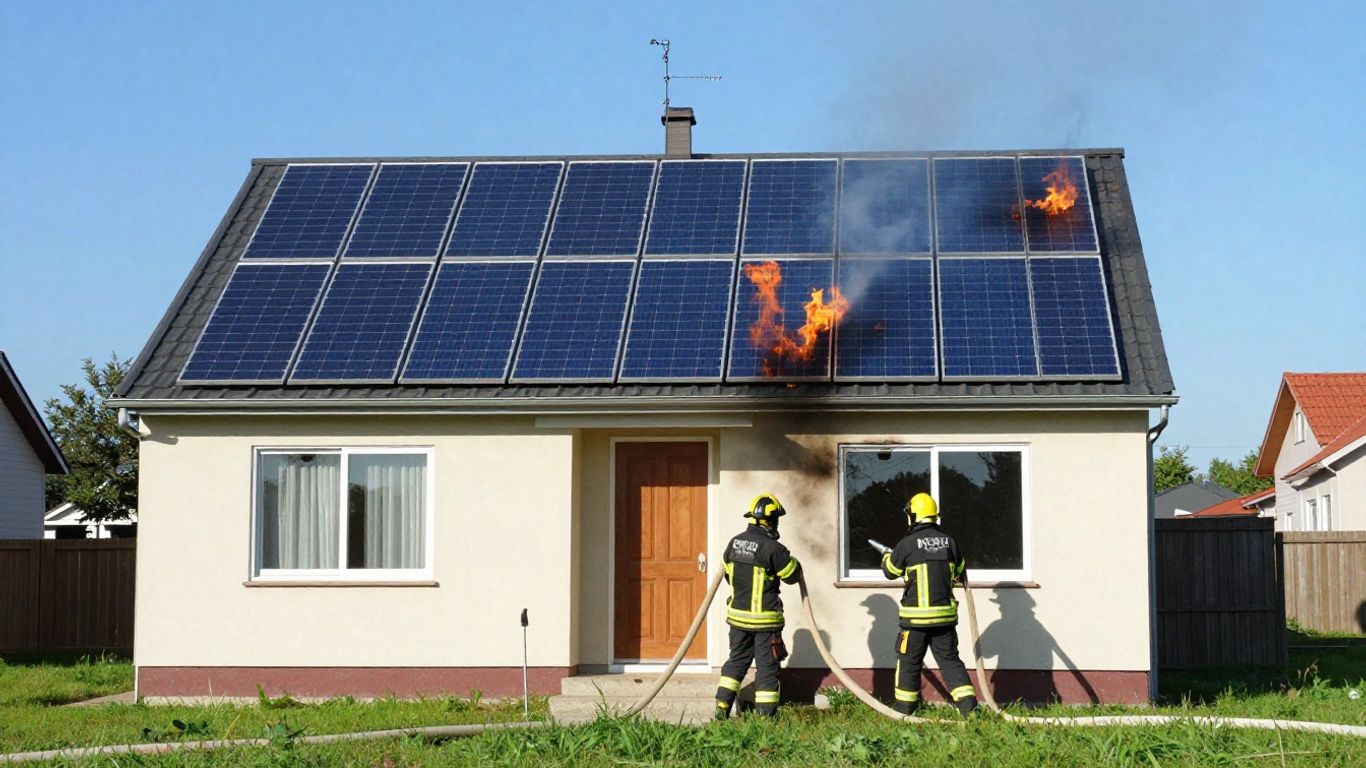
React Quickly by Evacuating the Premises
In the event of a fire starting in your solar installation, the first action is to ensure the safety of everyone present. It is imperative to leave the premises without delay. Do not attempt to intervene on the fire yourself, as the risks of electrocution or falling are very high, especially if the fire spreads to the roof structure. Let the professionals handle it.
Cut the Electricity to Limit Fire Spread
If it can be done without endangering yourself, cut off the main electricity supply to your home. This measure aims to reduce the energy supply to the fire and thus limit its spread. It is important to note that solar panels continue to produce electricity as long as they are exposed to light, even when not connected to the grid. The power cut must be carried out at the main circuit breaker.
Contact Emergency Services Without Delay
Once you are safely outside, contact emergency services immediately by dialling 18 or 112. Clearly state the nature of the incident: a fire involving a photovoltaic installation. Firefighters are trained to handle such complex situations, including associated electrical risks. They will be able to intervene safely and contain the damage. It is also advisable to notify your insurance company as soon as possible, in accordance with the deadlines stipulated in your contract, to initiate the compensation process.
It is crucial to understand that solar panels, while not the primary cause of fires, can contribute to their spread due to their structure and associated wiring. Prompt action and adherence to safety instructions are therefore paramount to minimise damage and save lives.
For an installation compliant with safety standards, it is recommended to refer to the current regulatory provisions.
Compensation in Case of Solar Panel Fire
The Ten-Year Guarantee for Installers
When you have solar panels installed, the installer is required to take out a ten-year guarantee (garantie décennale). This insurance covers significant damage that may occur to your installation for ten years after the completion of the work. This includes fire risks related to installation defects. If a fire breaks out due to a faulty installation, you can hold the installer liable to claim this guarantee. It is important to check that this ten-year guarantee is mentioned on your quote before starting the work.
Procedures with Your Insurer After a Claim
If your installation is more than ten years old, the ten-year guarantee no longer applies. In this case, in the event of a fire, you must contact your insurer within five days of the incident. Most of the time, your insurer will send an expert to assess the extent of the damage. The compensation you receive will depend directly on the severity of the damage found. It is therefore essential to report the incident quickly and accurately. Do not forget to check that your home insurance policy covers photovoltaic installations, as this is not always the case by default. It is advisable to discuss this with your insurance company even before starting the work to ensure you are adequately covered.
Damage Assessment by an Expert
Following a fire affecting your solar panels, an expert will be appointed to assess the damage. Their role is to determine the cause of the fire, the extent of the damage to the panels themselves, but also to the building structure and other electrical equipment. The expert will carefully examine the connections, inverters, cables, as well as the roof structure and roofing. Their report will be decisive for the calculation of compensation by your insurer. It is important to cooperate fully with the expert and provide them with all necessary documents concerning your installation. An accurate assessment ensures that you receive fair compensation for the losses incurred, potentially covering the costs of repair or replacement of the damaged solar panels.
It is important to note that solar panels themselves are designed to be fire-resistant and are generally not the direct cause of a fire. Fires most often originate from electrical defects, wiring problems, or non-compliant installation.
Specifics of Fires in Agricultural Installations
Risks Associated with Storing Fodder in Solar Barns
Agricultural barns equipped with solar panels present unique fire safety challenges. Unlike residential installations, these structures often house combustible materials such as fodder. The accumulation of hay or other crops can, under certain conditions, heat up and ferment. This process can lead to spontaneous combustion, a very real risk in these environments. It is therefore strongly advised not to store fodder in the immediate vicinity of photovoltaic installations. Good space management and adequate ventilation are essential to prevent this type of danger.
Prevention of Spontaneous Combustion
To prevent a fire from starting due to the fermentation of organic matter, several measures can be taken. It is essential to monitor the temperature of storage areas. Forced ventilation can help dissipate heat. Furthermore, it must be ensured that solar panels and their electrical components are installed at a sufficient safe distance from potentially flammable materials. An installation compliant with standards, carried out by qualified professionals, is the first step in minimising these risks. Consider consulting specific recommendations for agricultural buildings.
Precautions Adapted to Agricultural Environments
In an agricultural context, vigilance must be increased. Solar installations on the roofs of barns or livestock buildings require particular attention. Here are some precautions to take:
- Regular inspection: Check the condition of panels, cables, and connections at least once a year. Look for any signs of damage or overheating.
- Safety distance: Maintain a minimum distance between solar panels and areas where flammable materials are stored, such as fodder or chemicals.
- Detection systems: Installing smoke or heat detectors near the installation can provide early warning in case of a problem.
- Access for emergency services: Ensure that firefighters can easily access the area in case of an emergency.
The design and installation of photovoltaic systems in agricultural environments must take into account the specific risks associated with these locations. A proactive approach to safety is essential to protect property and people.
Managing Solar Panels After a Fire
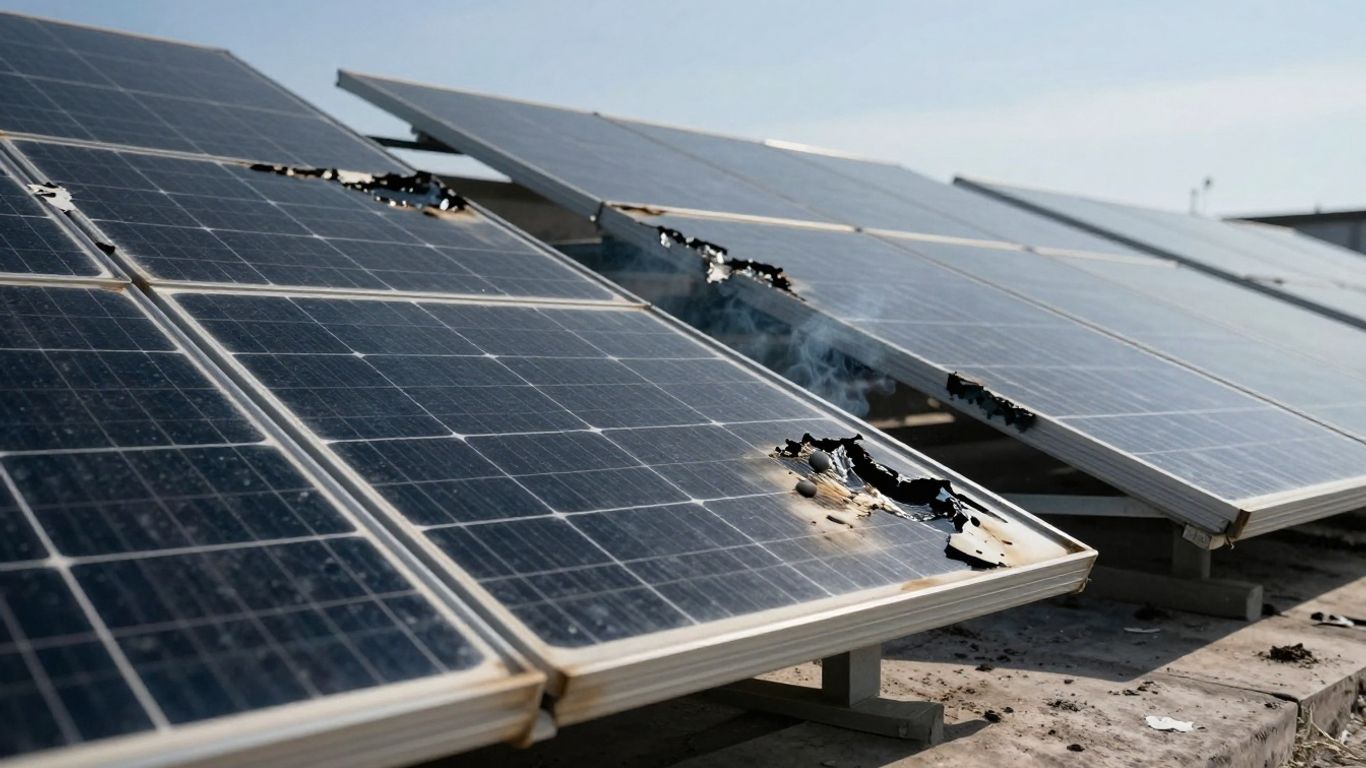
When a fire occurs and affects your solar installation, the post-incident phase requires particular attention. It is no longer just about immediate safety, but also about managing damaged equipment and its future.
Dismantling the Photovoltaic System
Once the firefighters have finished their intervention and the area is secured, the first step is to dismantle the photovoltaic system. This operation must be carried out with the utmost care. The risks of falling from the roof are real, especially since the structure may have been weakened by the fire. Furthermore, even after a fire, the panels may still pose an electrical risk. It is therefore strongly recommended to use qualified professionals for this task. They have the necessary equipment and expertise to intervene safely. It is important to note that solar panels themselves are generally not the direct cause of the fire, but rather electrical defects or installation problems that can occur to prevent fire risks.
Procedures for Recycling Damaged Modules
Photovoltaic modules damaged by fire can no longer be used. Their recycling then becomes a priority. In France, the main organisation responsible for collecting and recycling solar panels is Soren (formerly PV Cycle). It is advisable to contact them directly to find out the procedures to follow. They will be able to advise you on how to arrange for the collection of the panels and inform you about the appropriate treatment channels. Recycling allows for the recovery of valuable materials and limits environmental impact. It is important not to dispose of this equipment with general waste. Post-fire management of a solar installation raises questions about waste management and potential pollution, a subject still not fully regulated after a fire.
Contacting Specialised Recycling Organisations
To successfully recycle your solar panels after a fire, it is essential to contact specialised organisations. Soren is the preferred point of contact for individuals and professionals. They coordinate the logistics of recycling and work with approved centres. Do not hesitate to consult their website or contact them by phone to obtain all the necessary information. They will be able to guide you through the administrative and practical steps. Proper management of this equipment after an incident contributes to the sustainability of the solar sector.
Electrical Risks Associated with Solar Panels
Photovoltaic solar panels, while representing a major advance for renewable energy, are not without electrical risks. It is important to understand these dangers to ensure safe installation and use.
Direct Current Production and Its Specifics
Unlike the alternating current found in most homes, solar panels produce direct current (DC). This type of current has its own characteristics that require special attention:
- Constant Voltage: Direct current maintains a stable voltage, which can make electrical arcs more difficult to extinguish once they have formed.
- Current Intensity: Although the voltage may seem moderate, the current intensity can be sufficient to cause significant damage in case of a fault.
- Polarity: DC systems have a defined polarity (positive and negative), and an inversion can lead to malfunctions or hazards.
These specifics mean that electrical protection and intervention procedures must be adapted to the nature of direct current. Improper handling or a system defect can quickly become problematic.
Dangers of Electrical Arcs
Electrical arcs are one of the main safety concerns in photovoltaic installations. They occur when an electric current jumps from one conductor to another through the air, creating intense heat and bright light. Several factors can promote their appearance:
- Connection Faults: Loose, corroded, or damaged connectors are a common cause of electrical arcs.
- Faulty Wiring: Frayed, cut, or damaged insulated cables can create unexpected paths for the current.
- Module Damage: A cracked or damaged solar panel can expose internal conductors.
An electrical arc can reach extremely high temperatures, capable of melting surrounding materials, igniting insulation or structures, and causing serious injury to people nearby. Early detection and prevention of arcs are therefore paramount. For example, arc protection devices can be found on certain specialised sites.
The Importance of Personal Protective Equipment (PPE)
Working on or near a photovoltaic solar installation, whether during installation, maintenance, or intervention, exposes individuals to electrical risks. The use of appropriate Personal Protective Equipment (PPE) is therefore non-negotiable to minimise these dangers. Commonly required PPE includes:
- Insulating Gloves: Specifically designed to protect against electric shocks, they must be chosen according to the system’s voltage.
- Safety Glasses: To protect eyes from electrical arcs, debris, or dust.
- Protective Clothing: Fire-retardant and insulating clothing may be necessary in certain situations.
- Insulating Safety Shoes: They provide protection against falling objects and electricity.
Strict adherence to safety instructions and the systematic use of appropriate PPE are the first line of defence against electrical accidents related to solar panels. It is imperative to ensure that any worker has the necessary skills and equipment before undertaking any work.
A well-designed and maintained installation, combined with safe working practices, can significantly reduce the electrical risks associated with solar panels.
Installation Compliance with CONSUEL
The Role of CONSUEL in Verifying Compliance
The National Committee for the Safety of Electricity Users, better known as CONSUEL, plays an important role in the safety of electrical installations, including those incorporating solar panels. Its primary objective is to ensure that electrical installations comply with current safety standards before they are put into service. For a photovoltaic installation, CONSUEL’s intervention is often a mandatory step, particularly if the installation is intended to be connected to the public electricity distribution network. This verification helps prevent accidents, such as fires or electrocutions, that could result from a non-compliant installation.
The Certificate of Conformity for Commissioning
After your solar panels have been installed, an authorised CONSUEL technician will inspect the entire system. This inspection aims to verify the proper execution of the work, compliance with electrical standards (such as NF C15-100), and the safety of the components. If the installation is deemed compliant, CONSUEL issues a certificate of conformity. This document is essential for the network operator (such as Enedis) to authorise the connection of your solar installation to the electricity grid. Without this certificate, your installation cannot be officially commissioned, and you will not be able to benefit from selling surplus electricity produced. This is a key step in ensuring the safety and legality of your photovoltaic project.
Ensuring User Safety
The CONSUEL compliance process is more than just an administrative formality. It is primarily a guarantee of safety for you, your family, and potentially your neighbours. A poorly executed photovoltaic installation can present significant electrical risks: short circuits, electrical arcs, overheating that can lead to fires. By having your installation checked by CONSUEL, you ensure that the professionals who carried out the work have followed best practices and safety standards. This contributes to the longevity of your installation and peace of mind regarding its safe operation. It is a mark of quality and serenity for your self-consumption or solar energy resale project, and it applies to residential installations as well as larger projects, such as those found in the agricultural sector. Compliance with this step is therefore fundamental for a safe solar installation.
Ensure that your solar installation complies with all the rules of CONSUEL. This is an important step to guarantee the safety and performance of your system. If you have any questions or need help verifying your compliance, do not hesitate to contact us. Visit our website to learn more and get personalised advice.
Conclusion
Installing solar panels is a significant project. We often think about energy savings and ecology, but sometimes forget about safety issues. Fire risks exist, even if they remain rare, and they mainly concern the quality of the installation and its maintenance. This is not something to be taken lightly. It is better to entrust the installation to a recognised professional, follow the standards, and not neglect maintenance. If in doubt, do not hesitate to seek advice or have your installation checked. It is better to be safe than sorry, especially when it comes to the safety of your home or business. Solar panels are a great advancement, but as with any electrical equipment, a minimum of vigilance is required. Before you start, take the time to inform yourself thoroughly and surround yourself with the right people.
Frequently Asked Questions about Solar Panel Fires
Can solar panels really catch fire?
Solar panels themselves are designed to be fire-resistant, but a fire can start due to an electrical problem, poor installation, or aging cables and components.
What are the main causes of a solar panel-related fire?
Most of the time, a fire is caused by an installation defect, faulty wiring, overheating, or a damaged component. Sometimes, lightning or a power surge can also damage the installation.
How can I prevent a fire with my solar installation?
To minimise risks, have the panels installed by a qualified professional, follow safety standards, and have the installation checked annually by a specialist.
What standards must be met for a safe solar installation?
It is important to comply with NF C15-100 standards for electricity, NF C14-100 for grid connection, and to follow the recommendations of the UTE C15-712-1 guide to reduce accident risks.
What should I do if a fire starts on my solar panels?
In case of fire, evacuate the house quickly, cut the electricity if possible, close the doors, and call the fire brigade without delay. Do not try to extinguish the fire yourself.
Does my insurance cover solar panel fires?
Yes, if the installation is less than ten years old, the installer’s ten-year guarantee may apply. Otherwise, you must contact your insurer promptly to report the incident and have an expert assess the damage.
Why is regular maintenance important?
An annual inspection allows for the identification of minor problems before they become serious. This prevents breakdowns, overheating, and reduces fire risks.
What should I do with damaged solar panels after a fire?
After a fire, damaged panels must be dismantled. Then, it is advisable to contact an organisation specialised in the recycling of solar modules for appropriate treatment.

Journaliste spécialisée en transition énergétique et consultante RSE. À 42 ans, Claire combine une formation en journalisme (Master Sciences Po) et un diplôme d’ingénierie environnementale (École des Mines / INSA). Après 10 ans dans la presse économique et 7 ans en cabinet de conseil RSE, elle écrit pour aider les décideurs B2B à comprendre les réglementations, les enjeux climatiques et les innovations énergétiques.