A boiler breakdown can happen at any time, often when you least expect it, turning a moment of comfort into a stressful situation. Whether you are a homeowner or a tenant, understanding the basics of how your appliance works and knowing how to react to a malfunction is essential. This article guides you through the steps to identify common problems, perform simple checks, and know when it is time to call a professional. The aim is to give you the keys to manage a boiler breakdown in the best and safest way possible.
Key Takeaways
- In case of a gas smell, do not attempt anything: ventilate, turn off the gas if possible, and contact emergency services without delay.
- Before contacting a professional, check the electrical supply, the circuit pressure (ideally between 1 and 1.5 bar), and the thermostat settings.
- Common causes of breakdown include automatic safety cut-outs, burner faults, overheating, or leaks.
- Know your limits: do not attempt to repair internal boiler components (gas, combustion, mechanical parts); call a heating engineer.
- Annual boiler maintenance is a legal requirement and the best way to prevent breakdowns, ensure its longevity, and its proper functioning.
Understanding the Warning Signs of a Boiler Breakdown
A boiler that begins to show signs of weakness can quickly become a source of inconvenience, or even danger. It is therefore important to recognise the signals that indicate a problem is developing. Ignoring these warnings means risking being left without heating or hot water, often at the worst possible moment.
Identifying Situations Requiring Immediate Action
Certain symptoms are unmistakable and require immediate attention. A sudden drop in heating circuit pressure, for example, can indicate a leak or another malfunction. If your appliance emits unusual noises, such as whistling, gurgling, or banging, it warrants investigation. Similarly, a noticeable decrease in heating performance, even in mild weather, can be a warning sign. It is crucial not to let these indicators worsen.
- Unusual noises (whistling, banging, gurgling)
- Drop in heating circuit pressure
- Decrease in heating performance
- Warning lights illuminated on the control panel
Potential Dangers of a Malfunctioning Boiler
A poorly maintained or faulty boiler can pose serious risks. Carbon monoxide, an odourless and colourless gas, can be emitted in case of incomplete combustion. Poor flue gas evacuation or ventilation defects can lead to an accumulation of this deadly gas. Furthermore, overheating of the appliance can cause significant material damage, or even a fire. It is therefore essential to remain vigilant about the proper functioning of your heating system.
A faulty boiler is not just a source of discomfort. It can represent a real danger to the safety of the occupants of the home. Prevention and responsiveness are therefore key.
When a Gas Smell Requires an Emergency Shutdown
A gas smell is undoubtedly the most alarming sign. If you detect a suspicious smell reminiscent of sulphur or rotten eggs, you must react immediately. The first thing to do is to open the windows wide to ventilate the room. Then, turn off the main gas supply if you know how to do so safely. Do not use any electrical appliances, do not switch on lights, and do not create any flames. Leave the premises and call emergency services or your gas supplier from outside. Never attempt to locate the leak yourself. Prompt action is the only guarantee to avoid a serious accident. A gas leak is an absolute emergency.
Essential Checks Before Calling a Professional
Before picking up the phone to call a heating engineer, a few simple steps can save you an unnecessary visit, or even help you solve the problem yourself. These involve checking basic points that are often the cause of malfunctions. These checks do not require any particular technical skills and can be carried out safely.
Checking the Appliance’s Electrical Supply
The first thing to do is to ensure that your boiler is receiving power. Sometimes, a breakdown can simply be due to a tripped circuit breaker in your electrical panel. All you need to do is reset it. Also, check that the main switch for the boiler, if there is one, is in the ‘on’ position. A stable electrical supply is the first prerequisite for the appliance to function correctly.
Checking the Heating Circuit Pressure
The water pressure in the heating circuit is a key indicator. It is usually read on a pressure gauge located on the front of the boiler. The ideal pressure is often between 1 and 2 bar when the system is cold. If the pressure is too low, the boiler may go into safety mode and refuse to start. In this case, water needs to be added to the circuit. However, be aware that if you notice a regular loss of pressure, it may indicate a leak that needs to be identified.
Examining Thermostat Settings and Operating Modes
Sometimes the boiler stops producing heat simply because the thermostat is set incorrectly or an unwanted mode is activated. Check that the temperature set on the thermostat is higher than the ambient temperature. Also, ensure that the boiler is not in ‘summer’ mode if you want heating, or inadvertently in ‘frost protection’ mode. Sometimes, a simple change of mode or an increase in the setpoint is enough to restart the system. If you need help understanding how your appliance works, the annual maintenance by a professional is a good time to ask all your questions about the proper use of your boiler.
These preliminary checks are important. They help distinguish a real breakdown from a simple malfunction related to a setting or a power supply. Do not underestimate their impact before contacting a professional, as it could save you time and money.
Diagnosing Common Causes of Boiler Breakdowns
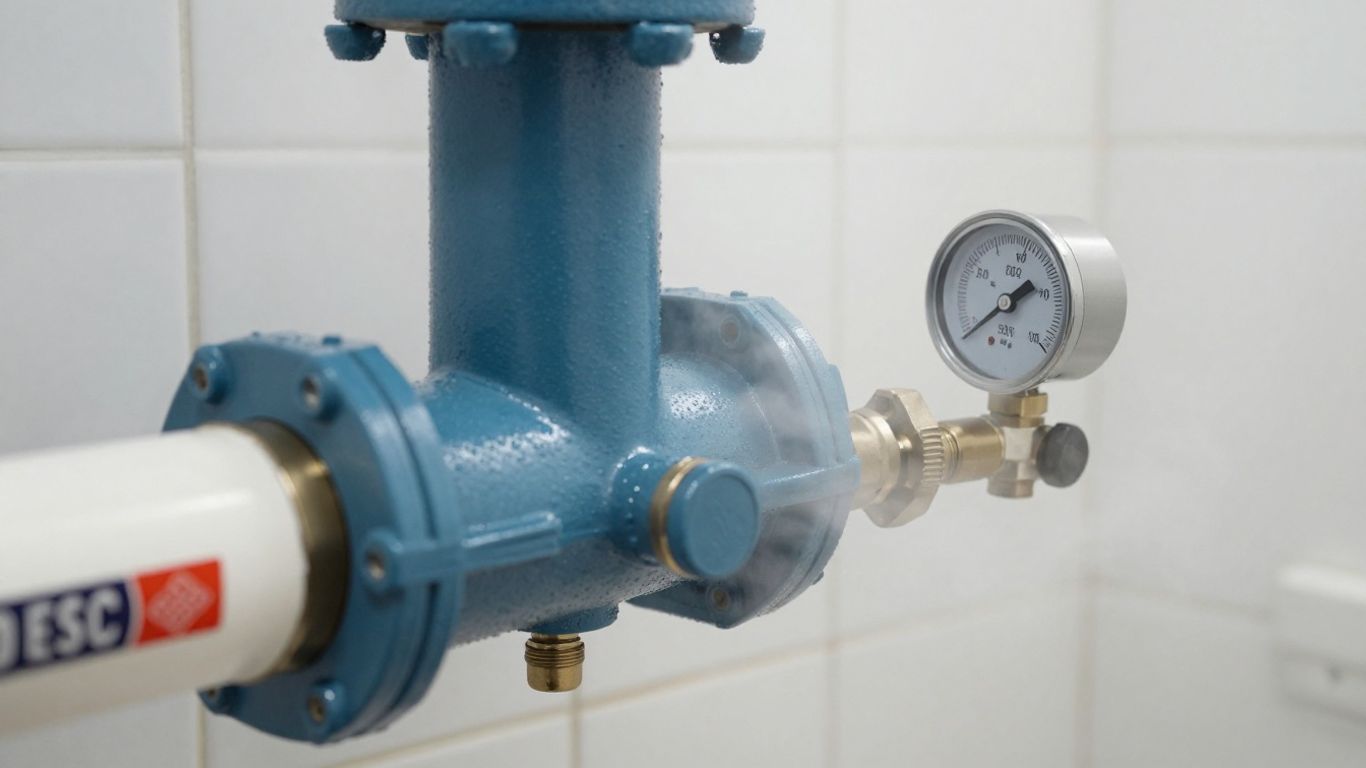
A boiler that refuses to start or stops for no apparent reason can be confusing. Fortunately, most common problems have fairly simple explanations. You just need to know where to look.
Reasons Why a Boiler Goes into Safety Mode
Modern boilers are equipped with safety systems. These activate as soon as an anomaly is detected, to protect the appliance and the occupants. If your boiler has gone into safety mode, it means it has identified a problem. This signal should never be ignored. Sometimes, a simple reset is enough, but be careful not to repeat the operation if the problem persists, as this could mask a more serious fault.
- Overheating: A lack of water in the circuit or a circulation problem can lead to excessive temperature rise.
- Combustion problem: Poor flue gas evacuation or a lack of air supply can trigger the safety cut-out.
- Pressure fault: Too low or too high pressure in the heating circuit can also cause a shutdown.
Understanding Common Burner Faults
The burner is the heart of the boiler, where the gas is ignited to produce heat. If it malfunctions, the entire boiler is affected. Regular maintenance helps prevent many of these issues.
- Fouling: Over time, deposits can build up on the electrodes or injectors, disrupting ignition or the flame.
- Ignition fault: The spark that should ignite the gas may be weak or absent, often due to a worn or misaligned spark plug.
- Flame instability: A flickering or extinguishing flame may indicate a problem with the gas supply or flue gas evacuation.
Identifying Anomalies Related to Overheating or Leaks
Overheating and leaks are two distinct problems but can have similar consequences: a boiler shutdown. It is important to know how to differentiate them.
A water leak under the appliance should never be taken lightly. If you notice a loss of pressure, do not just add water. The source of the leak must be identified, which could be a worn seal, a corroded component, or a faulty valve. If the boiler is leaking, it is often best to turn off the water supply and shut down the appliance before contacting a professional. For a complementary overview, some field guides clearly detail the most common causes, such as the possible reasons for a boiler not starting.
Overheating, on the other hand, can be caused by a lack of water circulation. This could be due to a faulty circulation pump or poorly bled radiators. If your boiler is overheating, first check if the radiators are hot and if the pressure is correct. If the problem persists, it is likely that an internal component is at fault, such as the heating circulator or the expansion vessel.
Knowing When to Stop Troubleshooting Attempts
It is tempting to try and fix a boiler problem yourself, especially when the cold sets in. However, it is important to recognise your limits and not make the situation worse. Inappropriate intervention can be not only ineffective but also dangerous.
Determining the Limits of User Intervention
Certain checks are within everyone’s reach, such as checking the electrical supply or the circuit pressure. If your boiler displays a fault code, note it down carefully; it will be a valuable aid for the professional. Never try to force a restart if the appliance goes into safety mode repeatedly. This could mask a deeper problem. If you smell gas, the instruction is simple: stop everything, ventilate, and leave the premises before contacting emergency services. The same applies in case of unusual smoke or a significant water leak.
Recognising Situations Requiring a Heating Engineer’s Intervention
As soon as the situation goes beyond basic checks, it is time to call a professional. This includes any intervention requiring opening the appliance, manipulating the combustion system, touching gas components, or dismantling a part. For example, if the boiler starts and then stops quickly, or if an error code persists despite standard checks, an internal component is likely to be faulty. Older installations, often prone to sludge build-up or pressure problems, may also require a more in-depth diagnosis by an expert.
Avoiding Worsening the Diagnosis Through Inappropriate Handling
A modern boiler is designed to protect itself. When it goes into safety mode, it means a malfunction has been detected. Attempting to bypass this safety system without understanding the cause can lead to more significant damage. For example, adding water to a circuit that is already losing pressure due to an underlying leak will only worsen the problem. It is best to let a professional diagnose the boiler and propose the appropriate solution. A cautious approach ensures the safety and longevity of your equipment.
The Importance of Annual Maintenance to Prevent Breakdowns
The Preventive Role of Regular Maintenance
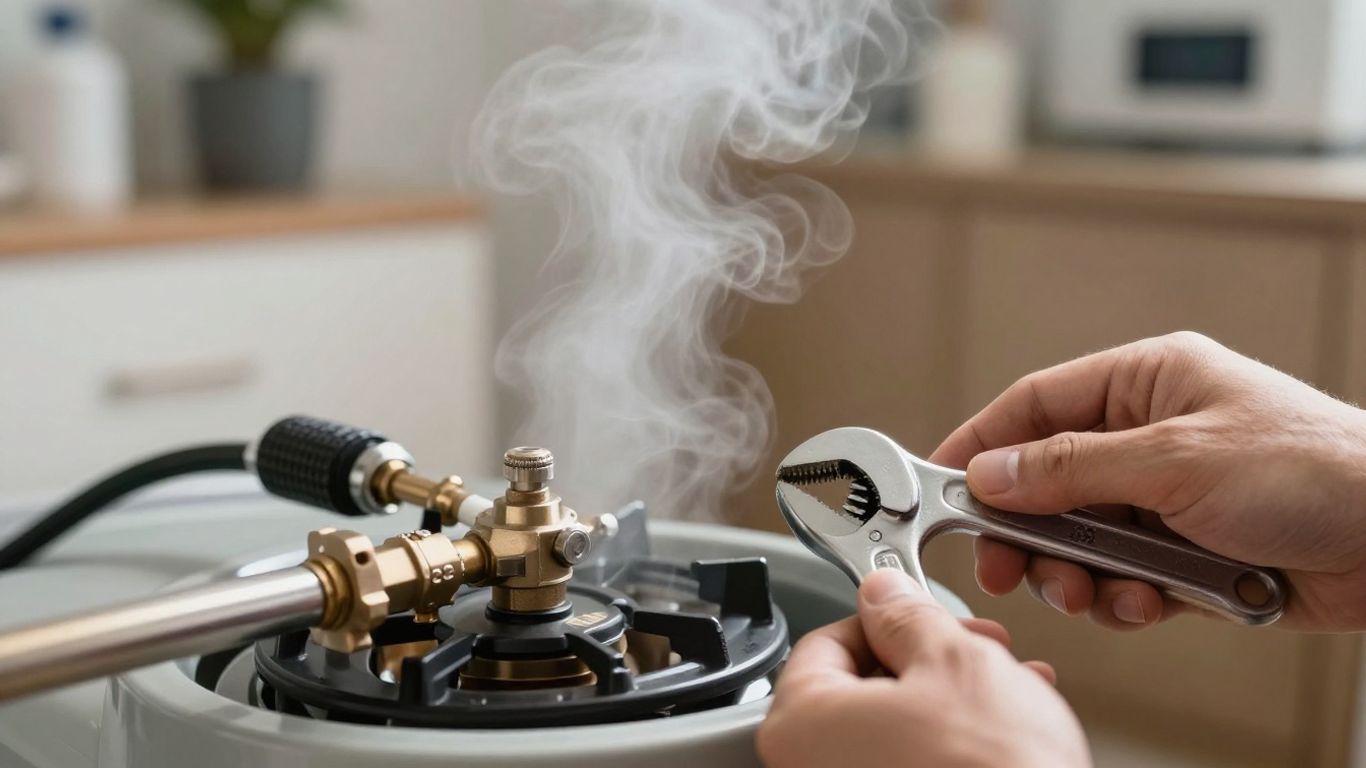
Regular maintenance of your boiler is much more than a simple administrative formality; it is a proactive approach that helps anticipate and avoid many inconvenconveniences. For gas boilers, this annual maintenance is even a legal requirement, whether you are a homeowner or a tenant. It is not just about ticking a box, but about ensuring the longevity and safety of your appliance. A qualified professional intervenes to clean components, check combustion quality, inspect safety devices, and above all, identify signs of wear before they cause a breakdown. It is often during these visits that problems such as a fouled burner, a scaled heat exchanger, or abnormal pressure are identified. A well-maintained boiler operates more reliably and economically.
How Annual Maintenance Prevents Malfunctions
Annual maintenance acts as a shield against breakdowns, especially when temperatures drop. It ensures that the appliance starts correctly and maintains stable performance. Without this regular attention, elements like limescale or sludge can build up in the system. These deposits disrupt heat exchange, forcing the appliance to overheat and stressing its components. They can also slow down water circulation, creating uneven heating zones and unusual noises, such as gurgling. In areas with hard water, installing a water softener can be a complementary measure to protect the plate heat exchanger from limescale. Monthly monitoring of pressure, ideally maintained between 1 and 1.5 bar, is also a good habit to anticipate certain issues. Bleeding radiators in autumn and cleaning accessible filters also contribute to system optimisation.
Benefits of a Well-Maintained Boiler on its Lifespan
Investing in annual maintenance is also choosing to extend the life of your equipment. On average, a boiler that receives regular maintenance can last up to 15 years, or even more. This represents significant savings compared to the cost of premature replacement. Furthermore, an annual inspection usually costs less than an emergency call-out in the middle of winter. The benefits do not stop there: a boiler in good condition ensures constant thermal comfort and more controlled energy consumption. This reduces the risk of being left without heating or hot water when you need it most. The first maintenance of a new boiler should take place within a year of its installation for both homeowners and tenants.
Annual maintenance is not an expense, but an investment. It guarantees safety, optimises energy performance, and significantly extends the lifespan of your appliance, while saving you costly and inconvenient breakdowns.
Aggravating Factors for Boiler Breakdowns
Even with regular maintenance, certain factors can accelerate the wear of your boiler and cause breakdowns. It is good to be aware of them to anticipate them better.
The Impact of Limescale and Sludge on the System
The water circulating in your heating system is not always pure. Over time, limescale can deposit on heating elements and in pipes. This scale acts as an insulator, forcing your boiler to work harder to reach the desired temperature. This increases its energy consumption and prematurely stresses its components. Sludge, on the other hand, consists of residues that accumulate in the circuit. They can slow down water circulation, create hot spots, and eventually block pipes. A bubbling noise in the radiators is often a warning sign of these problems. In areas with particularly hard water, special attention to water quality and more frequent monitoring may be necessary. This does not always involve proposing costly solutions, but rather adapting maintenance to the specificities of your installation.
Consequences of Humidity on Proper Functioning
Ambient humidity, especially if significant, can have detrimental effects on your boiler. Electronic components are particularly sensitive to water. An overly humid atmosphere can lead to short circuits or corrosion of metal parts. This can affect the proper functioning of sensors, electronic boards, and connections. If your boiler is installed in a poorly ventilated room or one prone to leaks, the risk of malfunction increases. It is therefore important to ensure that the room where the boiler is located is well-ventilated and protected from excessive humidity. Poor flue gas evacuation, for example, can also cause a backflow of humidity and carbon monoxide, triggering the appliance’s safety cut-out.
Specifics of Older Installations
Boilers, like any appliance, have a lifespan. An old installation may show signs of natural wear and tear that make it more prone to breakdowns. Materials degrade over time, seals can dry out and lose their watertightness, and electronic components become less reliable. Furthermore, technologies evolve. A very old boiler may be less efficient and more difficult to repair, as spare parts become scarce. In some cases, an installation that has been modified over the years, without adhering to original standards, can also present imbalances. If your boiler is over 15 years old and breakdowns are becoming frequent, it is often more sensible to consider replacing it rather than undertaking multiple costly repairs. This can also be an opportunity to switch to a more efficient and environmentally friendly model. A well-maintained boiler can last a long time, but age remains a factor to consider to avoid costly breakdowns.
It is important to understand that even a well-maintained boiler can be affected by external factors such as water quality or the installation environment. These elements, if neglected, can reduce the lifespan of the appliance and increase the frequency of repairs.
Cost and Relevance of Repair or Replacement
Estimating the Cost of Boiler Repair
Faced with a breakdown, the first question that often comes to mind is: how much will it cost? The price of a repair can vary considerably. For a simple intervention, without part replacement, you should generally expect to pay between €90 and €180 including VAT. If a part needs to be replaced, the cost can increase, ranging from €180 to €450 including VAT, depending on the complexity of the part and the time required for its replacement. It is important to note that these prices can fluctuate depending on the region and the urgency of the intervention. A precise diagnosis, sometimes charged around €39, can help to better understand the problem and anticipate the necessary budget.
Determining the Right Time to Replace the Appliance
Knowing when it is more sensible to replace your boiler rather than continue repairing it is a decision that requires careful analysis. Several factors come into play. The age of the appliance is a key indicator: a boiler over 15 years old begins to show signs of fatigue and breakdowns can become frequent. If you have already had several costly interventions in a short period, it is likely that the cumulative cost of repairs is approaching that of a new appliance. Furthermore, older boilers are often less energy-efficient, resulting in higher heating bills. The cost of successive repairs must be weighed against the investment in a newer, more economical model.
Here are some factors to consider when making your decision:
- Boiler age: Beyond 15 years, the risk of breakdowns increases significantly.
- Repair costs: If the total repair costs exceed 50% of the cost of a new boiler, replacement becomes more relevant.
- Energy efficiency: Recent models offer better performance, reducing your consumption.
- Frequency of breakdowns: Repeated breakdowns indicate general wear and tear of the appliance.
It is sometimes wiser to invest in a new boiler, even if the initial cost seems high, as the energy savings achieved and the restored reliability can offset this investment in the long term.
Understanding the Cost of a Boiler Diagnosis
A boiler diagnosis is a preliminary step that identifies the exact cause of the breakdown. Its cost is generally more affordable than a complete repair. It can vary, but it is often offered around €39. This fee includes the intervention of a technician who will examine the appliance, read any error codes, and determine the nature of the malfunction. This diagnosis is particularly useful for distinguishing a simple setting problem or a part to be replaced from a more serious failure requiring replacement. For a gas boiler, an annual maintenance contract may include this type of diagnosis and help prevent problems before they occur.
The complete replacement of a wall-mounted gas boiler, including installation, represents a more significant budget, generally ranging from €3,000 to €6,500 including VAT. This amount can vary depending on the power of the appliance, the necessary flue work, and specific adaptations to your installation. It is important to inquire about available grants, such as MaPrimeRénov’ or Energy Savings Certificates (CEE), which can significantly reduce the cost of purchasing a new, more efficient appliance.
Actions to Take in Case of Boiler Breakdown
Immediate Safety Reflexes to Adopt
When a boiler stops working, the first thing to do is to stay calm and not panic. Some situations require immediate action for your safety. If you detect a gas smell, absolutely do not try to relight the appliance or operate switches. Open the windows wide to ventilate, turn off the gas supply if you can do so safely, and leave the premises if the smell is strong. Then, contact gas emergency services. Unusual smoke, a significant water leak, or abnormal noises are also warning signs that require immediate shutdown of the appliance and calling a professional.
Simple Checks for Potential Restart
Once safety is assured, you can proceed with a few basic checks. Often, the problem is simpler than it appears. Start by checking the electrical supply to your boiler: is the screen lit? Is the corresponding circuit breaker engaged? Then, check the pressure of the heating circuit. Too low pressure (often below 1 bar) can prevent startup. If this is the case, you can add water to the system via the filling tap, monitoring the pressure gauge to reach the recommended pressure, generally between 1 and 2 bar. Also, remember to check your thermostat settings and operating modes (summer/winter mode). Sometimes, simply forgetting to switch to winter mode can explain the lack of heating.
When and How to Contact a Professional
If, after these simple checks, your boiler still does not restart, it is time to call a heating engineer. Do not persist with repeated restart attempts, as this could worsen the situation or mask a more serious problem. Situations that absolutely require professional intervention include: any suspicious smell, smoke, abnormal noise, persistent water leak, or if the boiler repeatedly goes into safety mode. When contacting a professional, be prepared to describe the observed symptoms and the checks you have already performed precisely. This will help the technician diagnose the problem more quickly. Remember that annual maintenance is the best way to prevent these inconvenconveniences and ensure the proper functioning of your appliance in the long term. If you are a tenant, it is your responsibility to promptly report any malfunction to the landlord, as stipulated by the obligations relating to boiler maintenance.
It is important to note that some modern boilers have an automatic safety cut-out system. If this device activates, it indicates a malfunction that must be resolved before any restart attempt. The control panel often displays an error code that can assist the professional in their diagnosis.
Preventing Boiler Breakdowns Through Regular Monitoring
Even though annual maintenance is a key step, regular monitoring of your heating system can make a big difference. This does not mean becoming an expert, but simply paying attention to a few simple indicators. These preventive actions, carried out consistently, help you anticipate problems before they become major.
Maintaining Heating Circuit Pressure
The water pressure in your heating circuit is a barometer of your system’s good health. Ideally, it should be between 1 and 1.5 bar when the system is cold. Too low pressure can indicate a leak, or simply that the system has lost a little water over time, for example during radiator bleeding. Too high pressure, on the other hand, can put a strain on certain components. It is therefore advisable to check this pressure at least once a month. If it is too low, it is usually sufficient to slightly open the supply tap to bring it back to its optimal level. Stable pressure is a sign of a well-balanced circuit.
Bleeding Radiators to Optimise the System
Over time, air can accumulate in your radiators, especially at the start of the heating season. This air prevents hot water from circulating properly, leading to cold spots on your radiators and a loss of overall efficiency in your system. Bleeding involves releasing this trapped air. It is a relatively simple operation that requires only a specific tool (a bleed key) and a container to collect the escaping water. It is recommended to bleed all your radiators before winter, or as soon as you notice that they are no longer heating evenly. Proper bleeding optimises the thermal comfort of your home and reduces energy consumption.
Cleaning Accessible Filters
Your boiler is equipped with several filters that retain impurities present in the water or air. The most accessible filters, particularly those for water or air intake, can become clogged over time. A blocked filter can reduce water flow, disrupt combustion, or even lead to overheating. Periodic cleaning, often possible with soapy water, helps keep these components in good working order and extends the lifespan of your appliance. Remember to consult your boiler’s manual to identify accessible filters and the appropriate cleaning procedure. This contributes to better performance of your equipment.
Attentive monitoring of simple indicators such as pressure, absence of unusual noises, and proper radiator function can save you a lot of trouble. These small regular checks are the foundation of a reliable and economical heating system.
To avoid problems with your boiler, it is important to check it often. A small regular check can save you from major costly repairs. Don’t let a small breakdown become a big problem. Visit our website to discover how we can help you keep your system in good condition.
Conclusion: When to Call a Professional?
So, we’ve covered the checks you can do yourself when your boiler is acting up. Often, the problem stems from simple things like the electrical supply, pressure, or a forgotten setting. But be careful, there are limits. If you smell gas, or if the appliance makes strange noises, don’t try anything, leave and call emergency services. For anything more technical, like opening the appliance, dealing with gas, or if basic checks haven’t resolved the issue, it’s best to let a heating engineer handle it. It’s safer and avoids making a mistake that would cost more. Also, remember that annual maintenance is really the key to avoiding many problems. It costs less than a major repair and keeps your boiler in good shape for longer.
Frequently Asked Questions
What are the first signs that indicate my boiler might break down?
If you hear unusual noises, smell a strange odour like gas, see smoke, or notice a water leak, you need to act quickly. These signs indicate that something is wrong and caution is required.
What should I check before calling a heating engineer?
Before contacting a professional, check if electricity is reaching the boiler and if the screen is lit. Also, check the water pressure in the system; it should be between 1 and 1.5 bar. Make sure the thermostat is set correctly and that the boiler is in heating mode.
Why does my boiler go into safety mode and shut down on its own?
A boiler goes into safety mode to prevent danger. This can happen if it overheats, if there’s a problem with the burner (like it being fouled), if there’s a leak, or if an electrical component is faulty. The system is trying to protect itself.
When is it best to stop trying to fix my boiler myself?
If you have already performed the basic checks (electricity, pressure, thermostat) and it’s still not working, it’s time to stop. If the breakdown seems serious, if you smell gas, or if you need to open the appliance, you must call a professional to avoid making things worse.
Is the annual maintenance of my boiler really important?
Yes, it’s very important! Having your boiler serviced annually by a professional helps identify minor issues before they become major breakdowns. It also helps the boiler last longer and operate more efficiently, which can save you money on your bills.
What can worsen my boiler’s problems?
Limescale, which deposits in pipes, and sludge, which is dirt in the heating circuit water, can cause blockages. Humidity in the house can also affect proper functioning. Old installations are often more susceptible to these issues.
How do I know if it’s better to repair my boiler or buy a new one?
You need to consider the cost of the repair. If the boiler is very old and the repair is expensive, it is often more sensible to replace it with a newer, more efficient model. A professional can help you assess this decision.
What are the immediate actions to take if my boiler breaks down?
The first priority is safety. If you smell gas, open the windows, turn off the gas if possible, and leave your home to call emergency services. If it’s not a gas emergency, check the electrical supply, pressure, and thermostat. If the problem persists, contact a heating engineer.

Journaliste spécialisée en transition énergétique et consultante RSE. À 42 ans, Claire combine une formation en journalisme (Master Sciences Po) et un diplôme d’ingénierie environnementale (École des Mines / INSA). Après 10 ans dans la presse économique et 7 ans en cabinet de conseil RSE, elle écrit pour aider les décideurs B2B à comprendre les réglementations, les enjeux climatiques et les innovations énergétiques.