Before embarking on a solar project, thorough study is necessary. Here are the essential points to remember regarding the APS study, a key step in this process.
Key Points of the Photovoltaic APS Study
- The APS study assesses the technical, financial, and regulatory feasibility of a solar project.
- It analyses the site, solar potential, installation constraints, and shading.
- The financial aspect is central: costs, projected savings, and profitability are calculated.
- Urban planning and grid connection regulations are checked to ensure compliance.
- The APS is a reference document for decision-making and seeking funding.
Understanding the Role of the Photovoltaic Feasibility Study
Before you start installing solar panels, a preliminary step is essential: the photovoltaic feasibility study. It is used to determine if your project is not only technically achievable but also economically relevant and compliant with current regulations. It’s a bit like checking the weather and your equipment before going on a hike; it prevents many problems.
The feasibility study, often materialised by a Preliminary Summary Project (APS), is the stage where the solid foundations of your solar project are laid. It takes place well before choosing specific panels or signing with an installer. Its purpose is to provide a complete picture of the situation, taking into account all elements that could influence the success of your installation. The location, climate, building structure, financial, and regulatory aspects are analysed. The objective is to transform an idea into a concrete project, identifying opportunities as well as potential obstacles. For large-scale projects, such as installation on a photovoltaic hangar, this preliminary analysis phase can represent substantial long-term savings.
A solar feasibility study is essentially an in-depth diagnosis. It aims to answer a simple but fundamental question: is your photovoltaic installation project viable? This involves evaluating several aspects: the site’s capacity to produce solar energy, technical constraints related to the installation (such as roof strength or orientation), financial aspects (cost, expected profitability), and local regulatory requirements. It is a process that allows for informed decisions and secures your investment. Without this analysis, you risk committing to a project that will never be profitable or will present unforeseen difficulties.
It is common to confuse the feasibility study and the APS, but there is a nuance. The feasibility study is the general concept that encompasses the assessment of a solar project’s viability. The APS, on the other hand, is a more concrete document that formalises the conclusions of this study. It presents the broad outlines of the project, the technical solutions considered, an estimate of costs and potential gains, as well as a provisional schedule. The APS is therefore a concretisation of the feasibility study, serving as a basis for subsequent steps, such as consulting companies or seeking financing. It allows for the validation of the project’s overall relevance before going further into technical and financial details. It is a reference document for all partners involved in the project, whether they are investors, installers, or competent authorities. A good understanding of solar potential is at the heart of this process.
Site Analysis: Foundations of the Photovoltaic Study
Before thinking about panels or inverters, the first step of an APS study is to examine the land or building that will host the installation. This is an essential phase to ensure that the project is well-suited to its environment. First, the precise geographical location is considered. Factors such as latitude and altitude can influence the performance of solar panels. Local climatic conditions must also be taken into account. This includes not only the amount of sunshine but also the frequency of clouds, prevailing winds, and even the risk of snow in winter. This data helps to estimate the expected energy production.
Characterisation of the Installation Environment
The immediate environment of the site is also very important. The presence of obstacles that could cast shadows on the panels is checked. These could be trees, neighbouring buildings, or even antennas. Even a small shadow on a single panel can reduce the production of the entire system, depending on the technology used. For this, 3D modelling software or specialised tools are often used. The structure that will support the panels must also be considered. If it is a roof, it must be ensured that it is in good condition and can support the weight of the panels and wind loads. For land, the nature of the soil and its slope are studied.
Assessment of Solar Potential and Climatic Data
The solar potential of a site is measured in kilowatt-hours per square metre per year (kWh/m²/year). This is a key indicator for determining if a project is viable. For example, the potential is not the same in Brittany as in Provence. A good assessment of the solar potential allows for more accurate prediction of electricity production. Climatic data, such as average annual sunshine, are therefore studied in detail. Temperatures are also taken into account, as they can affect panel efficiency. The objective is to have a clear picture of what the site can actually produce in solar energy.
Analysis of Available Surface Area and its Orientation
The amount of available space is obviously a determining factor. The usable area for installing panels is assessed, taking into account technical constraints and areas that should not be covered. The orientation of this area is also crucial. Ideally, panels should face south to capture maximum sunlight. However, other orientations can be viable, especially if they help avoid shading or integrate better with the existing structure. The tilt of the panels is also studied to optimise solar capture throughout the year. This analysis of the surface area and its orientation is fundamental for the correct sizing of the installation. It is important to choose the service provider for this study carefully, as a poor assessment can have significant consequences on the project’s profitability. For this, it is advisable to research specialised engineering firms.
The site study is the first cornerstone of a successful photovoltaic project. It ensures that the chosen location is optimal and does not present major constraints that could compromise the technical or economic feasibility of the installation. A thorough analysis of the environment, climate, and available surface area lays the groundwork for realistic and efficient design.
In-depth Technical Evaluation for a Solar Project
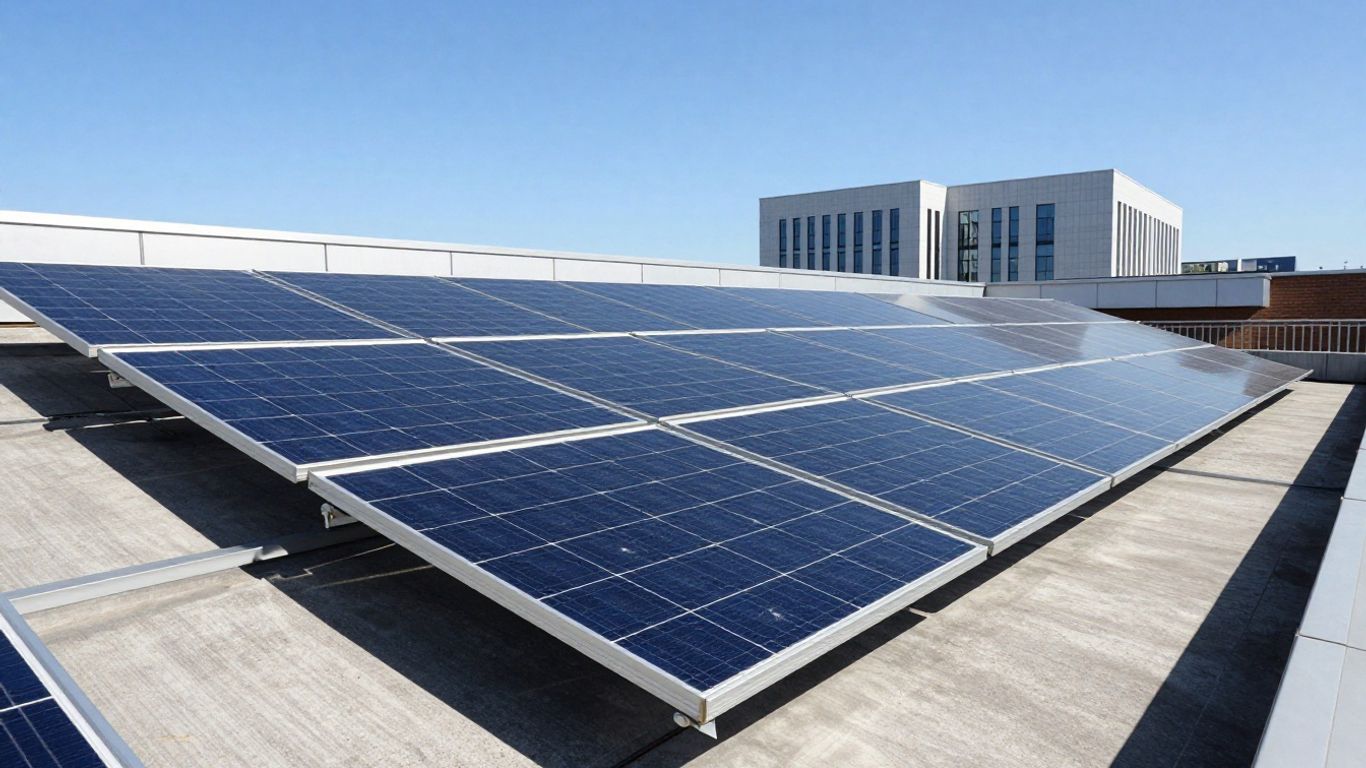
Once the site has been analysed and the solar potential estimated, the next step is to delve into the technical details. This involves ensuring that the installation can be carried out under the best conditions and that it will be efficient in the long term. This is a phase where choices are refined to optimise the project.
Identification of Constraints Related to the Supporting Structure
Before thinking about the panels, it is necessary to check that what will support them is strong. Whether it is a roof, a canopy, or a ground structure, its ability to withstand the weight of the panels, wind, and snow is paramount. For older buildings, a specific load study may be necessary to ensure mechanical resistance. Future maintenance accessibility must also be considered. A well-designed structure guarantees a durable and safe installation.
Modelling of Shading and Solar Masks
Sunlight is the lifeblood of a solar project. Even slight shading, caused by a neighbouring tree, a chimney, or an adjacent building, can significantly reduce energy production. 3D modelling tools or specialised software can simulate these shadows throughout the year. This precise analysis allows for the identification of optimal areas for panel placement and anticipation of production losses. Understanding these solar masks is essential for maximising the yield of your photovoltaic installation.
Analysis of Compatibility with Energy Storage
Increasingly, solar projects are incorporating battery storage systems. The technical study must therefore assess whether such a system is relevant for your project. This will depend on your consumption habits, the size of the installation, and the objectives (maximum self-consumption, energy resale). The analysis will focus on the sizing of the battery, its technical integration, and its impact on overall profitability. Considering storage at this stage allows for optimisation of energy autonomy and better valorisation of solar production.
Here are the key technical points to examine:
- Technological choice of panels: monocrystalline, polycrystalline, etc.
- Sizing of installed capacity: adapting capacity to needs and available space.
- Type of inverter: central, string, micro-inverters.
- Grid connection arrangements: study of technical and administrative constraints.
Technical evaluation is not limited to choosing the best components. It aims to build a coherent system, adapted to the site and project objectives, while respecting safety standards. It is the basis for obtaining an accurate quote and planning the execution. Rigorous design is the first step towards a viable project.
The technical study is a stage that requires a certain precision. It allows for the definition of the most suitable system for the context. Each technical choice has direct economic implications, so the pros and cons must be carefully weighed. The objective is to define the most suitable system for the context, taking all factors into account. This is an important part of solar project design.
Financial Analysis and Profitability of a Photovoltaic Installation
Estimation of Investment Costs and Annual Savings
Financial analysis is a key stage of the APS study. It aims to translate technical data into clear economic indicators. The first element is the estimation of the total investment cost. This figure includes not only the equipment (panels, inverters, structures) but also installation costs, grid connection, and potentially ancillary work such as roof repair or strengthening of a supporting structure. Costs can vary considerably, typically ranging from €900 to €1,400 per installed peak kilowatt (kWp) for a commercial or industrial project.
In parallel, the study quantifies the expected annual savings. These come from two main sources: self-consumption, i.e., electricity produced and consumed directly on-site, and the sale of surplus electricity not consumed to the grid. The price of self-consumed electricity is generally more advantageous than the purchase price of the surplus. The estimate takes into account the current electricity tariff and the purchase price set by the Energy Regulation Commission (CRE). A projection of energy price evolution is also often included to refine these calculations.
Calculation of Amortisation Period and Profitability Indicators
The amortisation period is the time required for the savings generated by the installation to cover its initial cost. For a well-designed project, this period is often between 8 and 12 years. Given that the lifespan of photovoltaic equipment is generally 25 to 30 years, this means the installation can generate substantial income or savings for many years after it has paid for itself. An installation amortised in ten years thus offers about fifteen years of almost free electricity production.
Beyond the amortisation period, other financial indicators are analysed to assess the overall performance of the project. The Internal Rate of Return (IRR) gives an idea of the project’s average annual return over its lifetime, often between 6% and 12% for an industrial project. The Net Present Value (NPV) allows for comparison of the photovoltaic project’s profitability with other investment opportunities, taking into account the time value of money. These metrics help position solar investment within a broader financial strategy.
Identification of Financial Aid and Applicable Regulatory Framework
The financial analysis would not be complete without considering existing support schemes. Depending on the type of project and location, various aids may be available: local subsidies, tax credits, or advantageous purchase tariffs for electricity fed into the grid. The APS study must identify these schemes and quantify their impact on overall profitability. It is important to inquire about eligibility conditions and the steps to follow to benefit from these aids. The regulatory framework, including technical standards and connection obligations, also influences costs and deadlines, and must therefore be clearly established from this phase onwards. A good understanding of these elements allows for a more precise estimate of the return on investment for your solar project.
The financial analysis of an APS study is not limited to a simple calculation of return on investment. It integrates a global vision of costs, potential revenues, risks, and opportunities, taking into account the technical and regulatory specificities of the project. It is this rigorous approach that validates the economic viability of a photovoltaic installation and secures future decisions.
Here are some key elements to consider for a solid financial analysis:
- Installation Cost: Total investment including equipment, installation, and connection.
- Annual Production: Estimated energy generated by the system.
- Amortisation Period: Time required to recover the initial investment.
- Internal Rate of Return (IRR): Annualised project return.
- Equipment Lifespan: Effective operating period of the components.
- Purchase and Self-Consumption Tariffs: Sale price of surplus and value of electricity consumed on-site.
- Energy Price Evolution: Projection of future electricity tariff increases or decreases.
- Aids and Subsidies: Available financial support schemes.
A thorough APS study allows for a precise economic study, thus providing a solid basis for decision-making and seeking financing.
Regulatory Dimensions and Compliance of a Solar Project
Verification of Compliance with Urban Planning Documents
Before even thinking about technology or financing, it is essential to ensure that your photovoltaic project complies with local urban planning rules. This begins with a thorough analysis of current documents, such as the Local Urban Plan (PLU) or the Inter-municipal Local Urban Plan (PLUi). These documents define buildable areas, height rules, distances to be respected, and may impose specific constraints, particularly in protected areas (listed sites, surroundings of historical monuments, areas defined by the Architects of French Buildings).
An installation may be technically perfect and economically interesting, but if it does not comply with urban planning rules, it may be refused. The APS must therefore identify these points from the outset to avoid costly modifications or project abandonment. It is necessary to check the zoning, the nature of the building (existing or new), its visibility, and the applicable administrative regime (prior declaration, building permit, etc.). Good anticipation helps to secure the administrative framework.
Integrating urban planning requirements from the early stages of a solar project is a process that prevents most late and costly modifications.
Analysis of Grid Connection Constraints
Connecting your future installation to the electricity grid is a key step that depends on its power. For small installations, a simple declaration to Enedis (or the relevant grid operator) may suffice, often within the framework of a self-consumption agreement. However, as power increases, a more formal connection request is necessary, involving a grid capacity study. This study may reveal limitations or the need for costly adaptation work, such as grid reinforcement or the creation of a transformer substation. These elements have a direct impact on the project’s schedule and provisional budget. It is therefore important to fully understand the procedures and deadlines associated with each type of connection.
Environmental Impact Assessment of the Installation
Beyond technical and regulatory aspects, the APS must also consider the environmental impact of the photovoltaic installation. For ground-mounted projects, this may involve a more in-depth impact study, analysing effects on local biodiversity, soils, water resources, and the landscape. For roof-mounted installations, the analysis is generally less complex, but it remains necessary. It involves ensuring that the project does not harm sensitive areas, such as wetlands, and that the materials used and installation processes are environmentally friendly. The objective is to ensure the project’s compliance with current environmental regulations and to minimise any potential nuisance. New regulations also aim to encourage the adoption of solar power, for example on outdoor car parks.
Who Carries Out a Photovoltaic APS Study?
Role of Specialised Engineering Firms
The development of a Preliminary Summary Project (APS) for a photovoltaic installation is generally entrusted to experienced professionals. These are most often engineering firms specialised in the field of solar energy. These companies have the technical and regulatory expertise necessary to thoroughly analyse the feasibility of a project. Their mission is to assess production potential, identify technical and administrative constraints, and estimate the expected profitability. They produce a concise document that will serve as a basis for decision-making.
Importance of Choosing an Independent Service Provider
To ensure the objectivity of the conclusions, it is strongly recommended to use an independent service provider. This means choosing an engineering firm that is not commercially linked to solar panel manufacturers or installers. An independent party can propose technical and material solutions without bias, based solely on the specific needs of your project and your site’s conditions. This independence is a guarantee of trust and allows for a more reliable analysis that will truly serve your interests. The objective is to obtain an honest assessment of your solar project’s viability.
Verification of Professional Certifications
Before entrusting the completion of your APS, it is wise to verify the qualifications and certifications of the service provider. Labels such as Qualifelec or QualiPV are indicators of seriousness and competence in the photovoltaic sector. These certifications attest that the professional adheres to strict quality standards and possesses the necessary knowledge to carry out this type of study. Ensuring that your engineering firm is certified gives you additional assurance regarding the quality and reliability of the work performed. You can also inquire about their past experience with projects similar to yours, for example, by consulting references or case studies. Good preparation beforehand will help you choose the right partner for your solar installation project, and you can then rely on their engineering expertise for the next steps.
Documents Required for an APS Study
For an engineering firm to carry out a relevant Preliminary Summary Project (APS) study for your photovoltaic project, it is essential to provide them with a set of precise information. These elements form the basis of the work that will allow for the assessment of your installation’s technical and economic feasibility. The more complete the initial file, the more reliable and representative of the project’s reality the APS will be.
Here are the main documents and information to gather:
- Information relating to the site and the supporting structure:
- Energy consumption data:
- Existing urban planning plans and documents:
The rigorous collection of this information allows the engineering firm to best model your project and identify the most suitable solutions. For example, understanding urban planning documents is essential for anticipating administrative procedures.
All this information allows for a faithful portrait of the current situation and potential constraints. It is on this solid basis that the technical and financial analyses will be carried out, leading to the production of a clear and reasoned decision-making document.
Cost of an APS Study for a Photovoltaic Project
Factors Influencing the Study’s Price
The price of a Preliminary Summary Project (APS) study for a photovoltaic installation is not fixed. It depends on several elements that will vary the total amount. Firstly, the size of the project is a determining factor. A small installation on a commercial building will not have the same study cost as a ground-mounted power plant of several megawatts. Secondly, the complexity of the site plays a role: a roof with many obstacles, an old structure, or land with geological constraints will require more time and therefore more resources for analysis. Geographical location can also have an impact, especially if significant travel is necessary for technical visits. Finally, the level of detail expected in the final deliverable influences the price; a very in-depth study with multiple financial scenarios will be more expensive than a more general analysis.
Price Variability According to Project Size
To give you a more concrete idea, here is a range of prices commonly observed for an APS study, depending on the installation’s capacity:
| Installation Capacity | Price Range for APS Study |
|---|---|
| Up to 36 kWp (small commercial/agricultural installations) | €1,500 – €3,000 |
| 36 kWp to 100 kWp (medium installations) | €2,500 – €5,000 |
| 100 kWp to 1 MWp (large commercial/industrial installations) | €4,000 – €8,000 |
| Over 1 MWp (ground-mounted power plants, major industrial projects) | On specific quote, often over €8,000 |
It is important to note that these figures are indicative. For a 3 kWp installation intended for residential self-consumption, the cost of the study will generally be included in the overall quote from the installer, as mentioned for solar panel installations.
Integration of Cost into the Overall Offer
Often, the cost of the APS study is deductible from the total project cost if you decide to entrust the work to the same engineering firm or company that conducted the study. This is a common practice that encourages working with a single partner throughout the process. Some installers even include the cost of this preliminary study in their overall offer, thus making it
The Usefulness of the APS for Decision-Making
Once the APS study is finalised, its conclusions serve as a true compass for all future decisions concerning your photovoltaic project. This document is not a mere formality; it structures thinking and allows for objective choices. Three main scenarios can typically arise from this analysis.
Validation of the Project’s Overall Viability
The APS primarily answers the fundamental question: is this project viable? It synthesises technical, financial, and regulatory data to provide a clear vision of feasibility. It transforms an idea into a concrete, costed, and reasoned project. Without this step, proceeding to more advanced stages would be risky, potentially costly, and without guarantee of success. It’s a bit like checking the weather before going on a hike: it’s better to know what to expect.
Possible Scenarios Following the APS Study
The conclusions of the APS open the way to several possibilities:
- Project Validated: If the study is positive, the project can move directly to the Definitive Preliminary Project (APD) phase, and then to execution studies. This is the ideal scenario.
- Project to be Adjusted: The project is deemed viable, but modifications are necessary. This may involve reducing the installed capacity, changing panel technology, or revising the financing model to improve profitability.
- Project Postponed or Abandoned: In some cases, the APS may reveal insurmountable regulatory obstacles or insufficient profitability. It is then better to postpone or abandon the project, thus avoiding much larger expenses later on. This is a difficult but rational decision.
The APS is a decision-support tool that helps avoid risky investments. Even a project abandoned thanks to this study represents substantial savings compared to a failure during the execution phase.
The APS as a Reference Document for Partners
For projects that move forward, the APS becomes the reference document. It serves as the basis for:
- Putting Companies Out to Tender: It allows for the drafting of precise specifications, obtaining comparable quotes, and selecting a service provider on objective grounds. This ensures transparency and efficiency in finding the right installer.
- Financial Partners and Insurers: Banks, investors, and insurers will rely on this document to assess the project’s risks and profitability. A well-conducted APS study facilitates obtaining financing and guarantees. It is a key step in securing your solar project.
- Administrative Bodies: It prepares the ground for authorisation procedures by presenting a clear vision of the technical and regulatory aspects, including potential constraints related to proximity to heritage sites, such as consulting the Architect of French Buildings if necessary.
From APS to Concrete Project Implementation
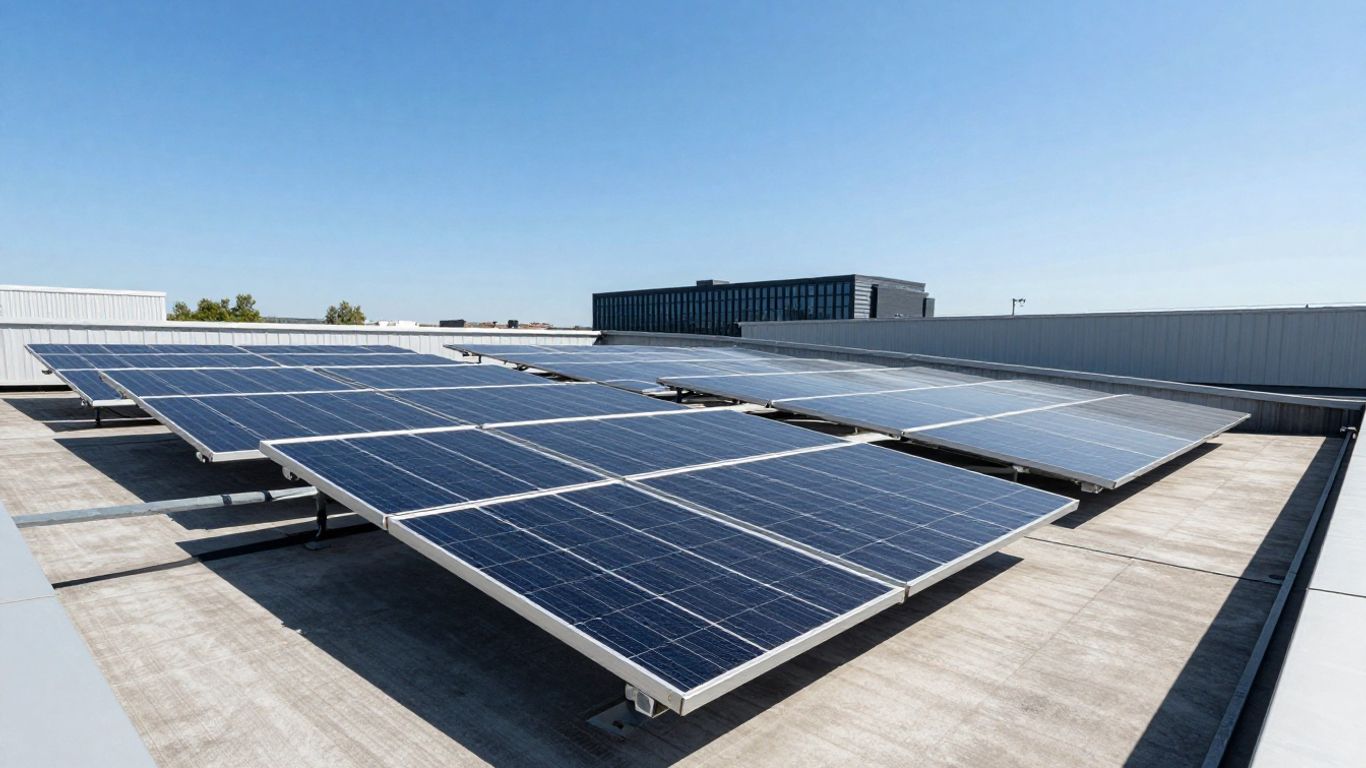
Once the Preliminary Summary Project (APS) is completed, it’s time to take action. But how exactly? The APS is not an end in itself; it is rather the starting point of a structured process.
Transition to the Definitive Preliminary Project (APD)
The APS provides you with a clear vision of the feasibility and the broad outlines of your solar project. It lays the technical, financial, and regulatory groundwork. The next logical step is the Definitive Preliminary Project (APD). This is where the technical details are refined. Exact equipment, detailed installation plans, electrical diagrams are specified, and administrative files for authorisations are prepared. Think of it as moving from a sketch to detailed architectural plans. The APD directly builds on the conclusions of the APS, incorporating the validated scenarios and developing them further.
Using the APS for Competitive Tendering of Companies
The APS is a formidable tool for obtaining precise quotes. It allows you to request offers from several installers or companies, providing them with clear and comparable specifications. You already know the target capacity, the type of equipment considered, and the site constraints. This avoids vague quotes or proposals that do not match your initial project. You can then compare offers on objective grounds, looking not only at the price but also at the quality of the proposed materials and the company’s reputation. This is a key step in selecting the right service provider.
Supporting Stakeholders in Decision-Making
The APS is not just a technical document; it is also a communication tool. It allows for the concrete and reasoned presentation of the project to all concerned parties: your management, your financial partners, or even local authorities. The figures, production estimates, and profitability analyses it contains help in making an informed decision. It can confirm the project’s viability, suggest adjustments, or, in some cases, indicate that it is better to withdraw. In any case, it provides essential clarity for moving forward with confidence. The conclusions of the APS can be presented in the form of
- Summary of key points
- Analysis of risks and opportunities
- Recommendations for next steps
The APS study, although preliminary, is the foundation upon which partner confidence and the future success of the installation rest. It transforms an idea into a tangible and costed project.
Turning an idea into a concrete project is our specialty. We support you through all stages, from initial design to final implementation. Do you have a project in mind? Come and discuss it with us on our website!
Conclusion
Carrying out a photovoltaic feasibility study, and more specifically an APS study, is an essential step for any solar project developer. It ensures the technical, financial, and regulatory viability of the installation before committing significant expenses. This document serves as the basis for future decisions, seeking financing, and selecting service providers. Ignoring this step means taking the risk of committing to a project that is not profitable, technically unfeasible, or blocked by administrative constraints. The APS transforms an idea into a concrete and documented project, offering a clear vision of the stakes and potential benefits.
Frequently Asked Questions about the Photovoltaic APS Study
What is a photovoltaic feasibility study?
It’s like a health check for your solar panel project. It looks at whether it’s a good idea, if it will work, if it’s allowed, and if it will make money before you spend too much.
What is the purpose of the Preliminary Summary Project (APS)?
The APS is an important step in this study. It gives a fairly clear picture of the project, looking at technical aspects, finances, and rules, to decide whether to proceed or not.
Who conducts this type of study?
It’s often experts, engineering firms specialised in solar energy. Sometimes an installer can also do it, but it’s better if it’s someone independent to be sure.
What is examined on the site?
We look at whether there’s enough sun, how the roof or land is oriented, if there are trees or buildings that would cast shade, and if the structure can support the panels.
Is money important in this study?
Yes, it’s super important! We calculate how much it will cost initially, how much you’ll save each year, and when you’ll get your money back. It’s the part that says if the project is profitable.
Are there special rules to follow?
Absolutely. You need to check if your project complies with city rules (like the local urban plan) and rules for connecting to the electricity grid. Otherwise, you could have problems.
How much does an APS study cost?
It depends on the project size. For a business, it can cost between €2,000 and €8,000. But often, this cost is deducted if you have the work done by the same company that did the study.
Is this study mandatory?
It’s not always a law, but it’s highly recommended. Banks or those financing the project will often ask for it. It’s better to do it to be sure you don’t make a mistake.

Journaliste spécialisée en transition énergétique et consultante RSE. À 42 ans, Claire combine une formation en journalisme (Master Sciences Po) et un diplôme d’ingénierie environnementale (École des Mines / INSA). Après 10 ans dans la presse économique et 7 ans en cabinet de conseil RSE, elle écrit pour aider les décideurs B2B à comprendre les réglementations, les enjeux climatiques et les innovations énergétiques.