Key points
A water supply interruption may be caused by the water network, work in the building, a leak or a billing issue. A few simple checks can often help you distinguish between these situations and choose the right person to contact.
- Ask whether neighbouring homes are affected.
- Check several taps and the appliances in your home.
- Check notices from the water supplier and the building manager.
- If there is a leak, turn off the water supply and protect any items at risk.
- If you dispute a bill, ask for an explanation and keep a written record of your enquiries.
Identify the cause of a water supply interruption
Before calling a repair service, it is useful to establish whether the interruption affects your whole home or a wider area. The extent of the problem offers an initial clue as to its cause, although it is not enough on its own to reach a conclusion. Also note when the water stopped and the circumstances you observed.
Check whether neighbours or the wider area are also affected
Ask a neighbour, caretaker or residents’ association whether they have running water. If several homes or nearby buildings are affected, the cause is more likely to be the public water network or a shared installation than your home. A search by area may also reveal local reports; a guide to water supply interruptions offers suggestions for checking the situation and finding out who to contact.
To avoid confusing the possible causes, compare what you observe with the likely extent of the problem:
| Observation | Likely area affected | First check |
|---|---|---|
| No taps are running in your home, but your neighbours have water | Private installation or home | Supply valves and meter |
| Several flats in the building are affected | Shared equipment | Information from the residents’ association or landlord |
| Several streets are affected | Public water network | Notice from the water supplier |
This table can help you decide what to check, but it is not a substitute for a diagnosis. For example, a closed valve or scheduled work in the building may affect several flats without the local authority’s water network being involved.
Check the taps and appliances in your home
Turn on two taps that are some distance apart, then check whether both the cold and hot water are affected. If only one outlet is not working, the problem may lie with the tap, a filter or a local appliance rather than a general supply interruption. If no water is coming through anywhere, check whether the main valve is open and the meter is accessible, without forcing anything.
A change in pressure, unusual noise or sign of damp may point to a plumbing problem. However, avoid taking equipment apart until you have located the water supply and understood the risk of making a leak worse. If the fault also affects other services, the guide to useful numbers to call in the event of a breakdown can help you distinguish what to do about electricity or gas from what to do about water.
Check notices from the water supplier or building manager
Check notices in communal areas, your water supplier’s online account and announcements from the local council or building manager. Notices sometimes specify the streets affected, the type of work being carried out and an estimated time for service to return to normal. If you live in an area served by SME, you can also check network information.
Bear in mind that the estimated time may change if the teams encounter further difficulties. If no notice applies to your address, report the interruption to the water supplier or residents’ association, giving precise details: when it started, how many homes are affected and what symptoms you have observed.
Recognise an interruption caused by work
A planned interruption is often caused by repairs, maintenance to a water main or work on distribution equipment. However, the presence of roadworks alone does not prove that the interruption is related to the work. Check the available information and compare it with your address and the stated times.
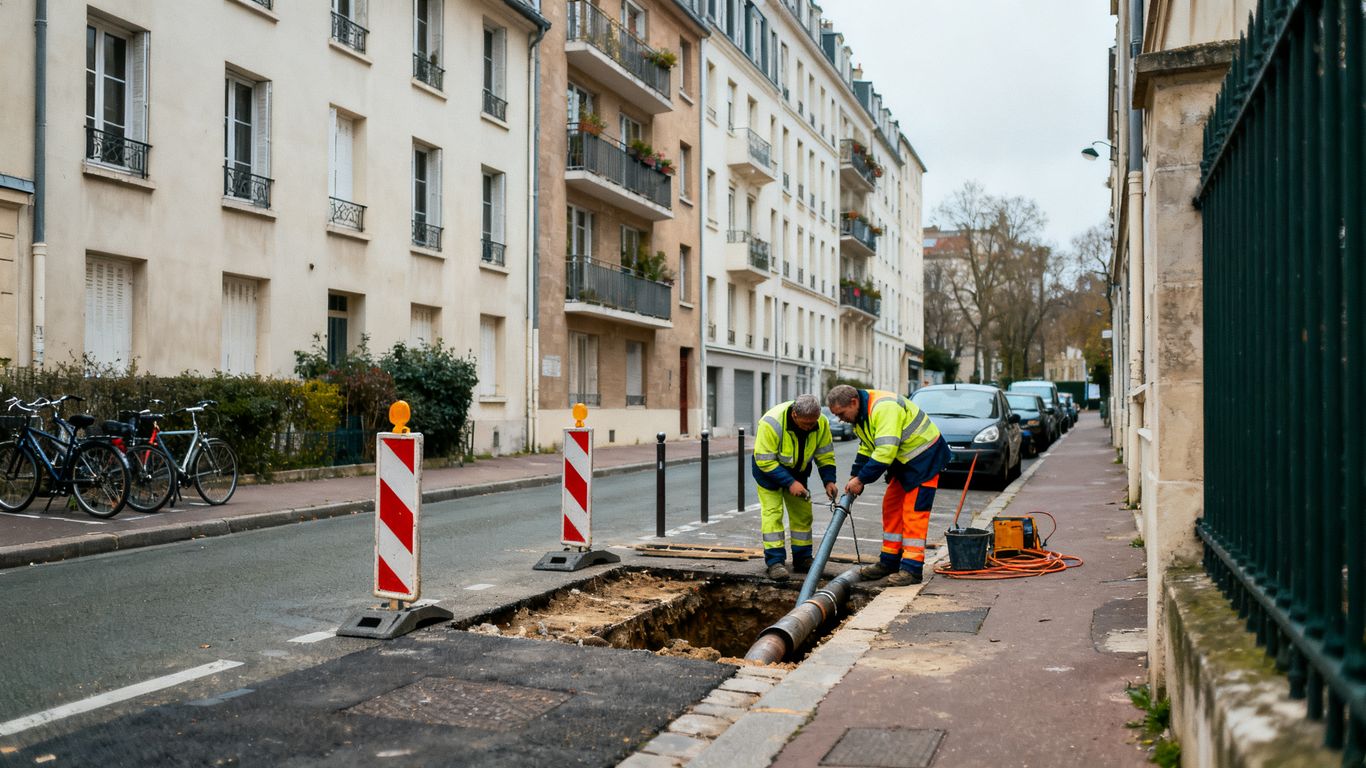
Look for a notice about an interruption or nearby roadworks
A notice may be displayed in the entrance hall, sent by the building manager or published by the water supplier. It will generally state the area affected and the planned period. Barriers, work vehicles or roadworks nearby may confirm that work is under way, but you should compare these signs with the official information.
If you cannot find a notice, ask your neighbours or contact the water supplier. Local information on the causes of interruptions and what to do can also help you prepare your questions and understand what precautions to take when the supply returns.
Distinguish scheduled work from an unexpected network fault
People are normally given advance notice of scheduled work, although the notice period and method of communication vary depending on the water supplier and type of work. An unexpected fault occurs without warning and may be reported after a breakage or malfunction is discovered. In either case, the interruption may feel much the same to residents, so a notice and confirmation from the water supplier are more reliable than assumptions.
You can note whether the work was announced in advance or the incident was reported afterwards, then ask whether it affects the whole area or only a few streets. This check helps you avoid waiting for work that does not cover your address, or mistaking a fault for a planned interruption.
Ask about the estimated duration and temporary arrangements
Ask the water supplier for an estimate, how often updates will be issued and what arrangements are planned if the interruption continues. Depending on the local situation, temporary support or specific instructions may be available, but these should be confirmed by the responsible organisation. For sensitive uses, also check the health advice issued by the authorities; a boil-water notice describes the precautions that apply to the situation it covers.
In the meantime, set aside water for drinking, cooking and essential needs, without storing more than necessary. When the supply is restored, follow any instructions from the supplier and run the water if they recommend doing so.
Identify an interruption caused by a leak
A significant leak may lead to the water supply being turned off to limit damage; the interruption is then a consequence of the problem, not a network fault. Signs of damp, an unexplained drop in pressure or a meter that continues to run when the taps are off may be warning signs. You then need to establish whether the leak is in the network or in the private installation.
Tell the difference between a leak before and after the meter
The meter is generally used as a reference point for distinguishing between the network supplying the home and the private installation, but responsibility depends on the layout and the applicable rules. If a leak is visible around the meter or on a pipe upstream of it, notify the water supplier. If it is inside your home, downstream of the meter, contact your landlord if you are a tenant and a plumber to assess the repair.
Do not tamper with sealed equipment or attempt to repair a pipe you cannot identify. If there is a leak on a roof fitted with solar panels, a guide to the risks of leaks beneath panels covers points to watch with this installation, whereas an indoor water leak needs to be investigated separately.
Look for signs of a leak in the private installation
Inspect flexible hoses, visible joints, the areas beneath sinks, toilets and walls close to pipes. A damp patch, musty smell or unusually wet floor should be checked promptly. You can also note the meter reading, avoid using water for a while and then check whether it has changed; do this carefully, as it cannot locate the leak on its own.
Monitoring and automatic shut-off devices are available for some homes: the page about Moen Flo describes a connected water shut-off system and says that Local Services Inc. offers installation. This information is not a substitute for leak detection or a professional visit. If water has already affected building materials, drying and repairs may be necessary; this guide to what to do after water damage describes a restoration process.
Turn off the water supply and limit damage while waiting for a repair
If you find an active leak, turn off the water supply to your home if you can do so safely. Move items away from the wet area and protect anything you can, without touching electrical appliances that are wet. To arrange a repair, keep photographs and make a note of the steps you have already taken.
While you wait for the plumber, the following steps may help limit damage:
- Turn off the water supply without forcing a stuck valve.
- Place a container under an accessible leak and protect personal belongings.
- Notify the landlord or residents’ association if you rent your home or a communal area is affected.
- Do not switch on any electrical equipment that has been exposed to water.
These measures are not a substitute for repairing the pipe. If water has seeped in, have the affected areas assessed before sealing or covering them; maintenance of an aluminium canopy, on the other hand, involves checks suited to that outdoor structure.
Understand an interruption related to unpaid bills
An overdue bill may lead to reminders or a dispute, but it does not by itself explain every water supply interruption. First check whether other homes are affected and look for recent communication from the water supplier. The applicable rights depend, among other things, on the country and the circumstances of the home.
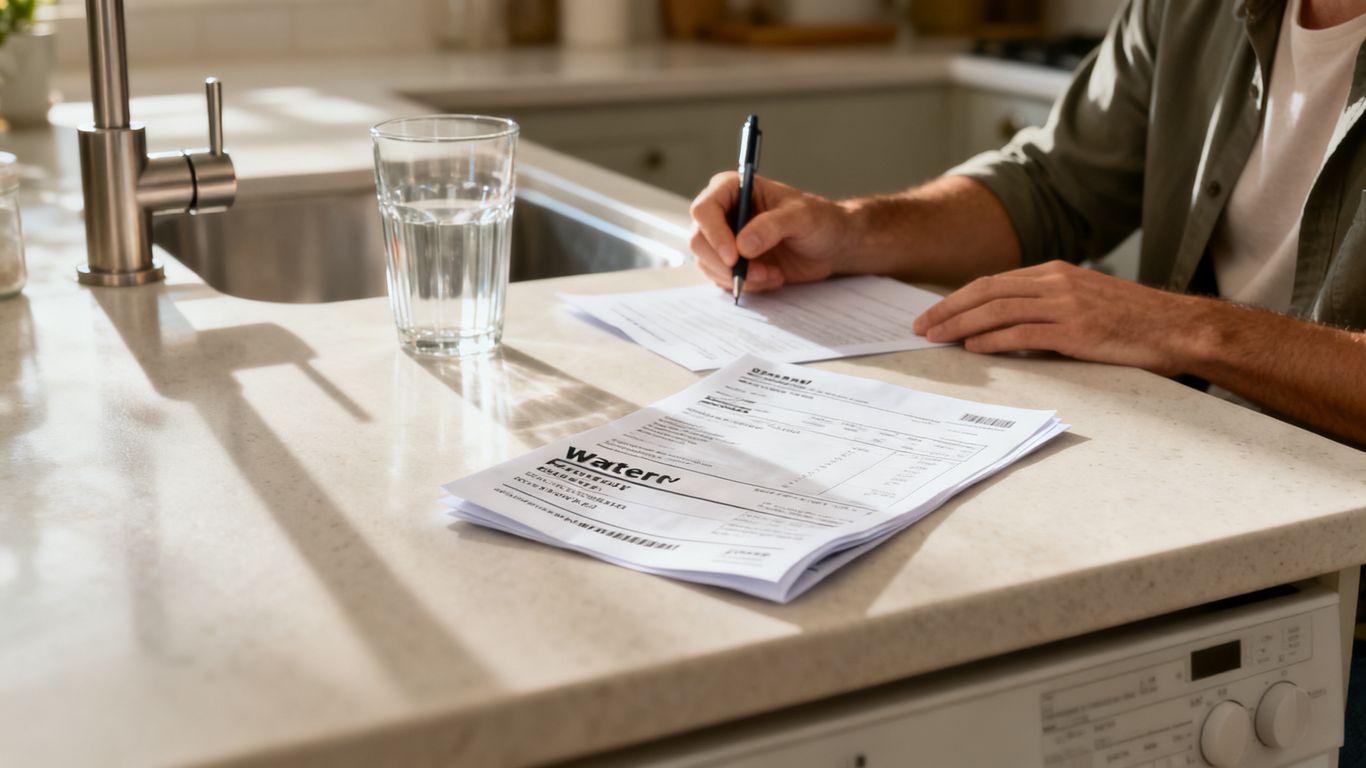
Check whether a bill is overdue or disputed
Check your latest bills, their due dates, payments made and any letters you have received. A reading error, change of account holder or payment that has not been recorded correctly may explain a disagreement even if the bill has in fact been paid. Ask the water supplier for a breakdown of the balance and written confirmation of any proposed action.
If you dispute the amount, gather meter readings, proof of payment and records of previous correspondence. A dispute about an installation or a bill is easier to resolve if you have a clear timeline; advice on handling disputes involving panels illustrates, in a different context, the value of keeping evidence and communicating constructively.
Know the rules on water supply interruptions for unpaid bills
The rules differ from one country to another. In France, cutting off the water supply for non-payment is prohibited at a main residence, even if the bill has not been paid. If this applies to you, ask the water supplier for the legal basis for the measure and seek help from the relevant organisations; do not assume that the interruption is due to a debt without checking.
An interruption caused by work or a leak remains a separate possibility, even if there is an ongoing billing dispute. For anyone looking to clarify a different question about income protection, disability insurance covers an inability to work due to illness or injury; it does not resolve a water bill dispute.
Dispute a bill or request a payment plan
If you still owe money and cannot pay it immediately, contact the water supplier before the situation escalates. Explain the dispute or payment difficulty, enclose any relevant documents and ask for a written reply. A payment plan may be offered depending on the circumstances, but you should confirm its terms directly with the creditor.
If you are disputing a bill, clearly state the amount in question and the reason for your request. Do not rely on a phone conversation alone: keep copies of letters and documents you have sent. If you have already noticed an interruption, also check with your neighbours and the building manager whether there is a shared problem.
Know who to contact depending on the cause
The right person to contact depends on where the problem is. An interruption affecting several streets generally falls to the water supplier, while an incident in communal areas should be reported to the building manager. For a leak in your home, the landlord or plumber will need to act depending on the circumstances and established responsibilities.
Call the water supplier if there is a network problem
Contact the water supplier if several homes or streets are affected, if a public water main appears to be damaged or if no notice explains the interruption. Give them the address, when the interruption started, the symptoms and the checks you have already made. Ask whether work is under way and where to find updates.
A clear report helps avoid repeated calls and makes the scale of the incident easier to understand. If you see a leak on a public road, give its location and describe how much water appears to be flowing, without touching any equipment.
Contact the residents’ association or landlord about shared work
If your neighbours in the same building have also lost their water supply, notify the residents’ association, caretaker or landlord. A closed main valve, faulty shared equipment or work in the building may affect several flats without interrupting the local authority’s water network. The building manager can arrange for the installation to be checked and tell residents what is known about the timescale.
To help with the investigation, share specific observations: which floors are affected, which taps are not working and when the interruption began. If you suspect a communal pipe, do not dismantle a cabinet or operate a shared valve without permission.
Call a plumber if there is a leak in your home
A leak in your home will often require a plumber, particularly if it is hidden, the water is still flowing or a temporary repair is not holding. Explain where you think the leak is, which materials are affected and what steps you have already taken. If you are a tenant, also inform your landlord to clarify what repairs need to be carried out.
Before the plumber arrives, ask what emergency measures are needed and keep any relevant documents. After water damage, follow-up may include checking wet surfaces and drying them; you will also need to manage everyday needs, including oral care involving a dental prosthesis, using what is available while the supply is interrupted.
Plan for the water supply to be restored
The return of the water supply does not always mean everything is immediately back to normal. Pressure may vary after work, and a repaired leak should be monitored. A few simple checks can help identify a persistent problem before it causes further damage.
Check that the supply has been restored after work
When the water supplier announces that the work is complete, turn on a tap for a few moments and check that the water flows steadily. Follow local instructions if the supplier requires you to take any specific precautions. If several homes are still without water or the pressure remains unusual, report this to the supplier or building manager rather than assuming the supply has been fully restored.
Report any cloudy water or unusual change and follow official recommendations. Notices and instructions issued for your area take precedence over general advice, particularly where they specify which uses to avoid.
Have the installation checked after a leak or repair
After the repair, check that the joints remain dry and that signs of damp are not spreading. If the leak was hidden, a further check may be needed before putting furniture back or closing up a wall. Ask the professional what checks they carried out and what precautions to follow when the water is turned back on.
A leak affecting a room, roof or outdoor features may require a separate inspection to the plumbing. Do not confuse maintenance of roofing equipment with finding the cause of a leak in the domestic water system.
Monitor the meter and your next bills to prevent another interruption
Once the water supply is restored, check the meter at reasonable intervals and compare your usage with your usual pattern. An unusual increase warrants a check of taps, toilets and accessible pipes. Keep your bills and payment confirmations too, so that you can quickly clarify an error or disputed balance.
The aim is not to monitor every daily fluctuation, but to spot a persistent discrepancy. If you need someone to contact about your energy projects, you can get in touch with Solencia about its regulatory assessment or solar support services.
Key takeaways
To identify the cause of a water supply interruption, start by checking how widespread it is, the installations in your home and official notices. A network fault, work, a leak and a billing issue require different responses: if in doubt, contact the appropriate organisation and keep any useful information.
Frequently asked questions
How can I tell whether a water supply interruption affects the whole area?
Ask your neighbours whether their water supply has been interrupted and check announcements from the water supplier or local council. Several homes being affected at the same time points to a shared problem, but does not establish the cause on its own.
What should I do if only one tap has stopped working?
Test several outlets, checking hot and cold water separately. If only one tap is affected, check its aerator or the equipment connected to it; avoid taking apart an installation you do not know.
Who should I call if there is no prior notice of a water supply interruption?
If several streets or homes are affected, contact the water supplier. If the problem seems limited to your building, notify the residents’ association or landlord, then call a plumber if the cause appears to be in your home.
How can I identify a leak downstream of the meter?
Look for signs of damp and check whether the meter changes while all water outlets are turned off. This may indicate a leak, but a professional may need to locate it precisely.
Can an unpaid bill lead to a water supply interruption?
The rules depend on where you live. In France, cutting off the water supply for non-payment is prohibited at a main residence; ask the water supplier for a written explanation if an interruption seems to be related to a bill.
What should I do when the water supply returns after work?
Follow the supplier’s instructions, check that the water is flowing normally and report any persistent issue. If a health notice is in force, follow it until it is officially lifted.
How can I limit damage when a pipe is leaking?
Turn off the water supply if you can do so safely, move items at risk and notify the landlord or building manager if necessary. Have the leak repaired, then check that the affected areas are drying properly.

Thibault Mouillefarine est responsable éditorial de Solencia, une plateforme dédiée à la compréhension, à la qualification et à l’accélération des projets photovoltaïques professionnels. Fondateur de Millennium Digital, agence spécialisée en stratégie digitale B2B, il accompagne les entreprises dans la transformation de sujets complexes en parcours de décision clairs et orientés résultats. Les contenus publiés sur Solencia s’appuient sur des sources publiques et institutionnelles : textes réglementaires, documentation Enedis, données CRE, informations EDF OA, ressources ADEME et publications officielles liées à l’énergie.